Three Deceiving Lawn Issues Birmingham Homeowners Often Misdiagnose
Three Deceiving Lawn Issues Birmingham Homeowners Often Misdiagnose
Many lawn problems look harmless at first.
A small brown patch, a few scattered weeds, or grass that seems slightly thin might appear minor. In reality, these early warning signs can point to larger lawn health problems developing beneath the surface.
For homeowners searching for lawn care in Birmingham, AL, understanding what these deceptive issues look like can help prevent long-term turf damage.
At TDI Services, our technicians regularly diagnose lawn problems that homeowners initially overlook. Proper identification is the first step toward building a stronger, healthier lawn.
Below are three common lawn issues that often appear harmless but can quickly turn into major problems.
1. Thin Grass That Looks Like Normal Growth
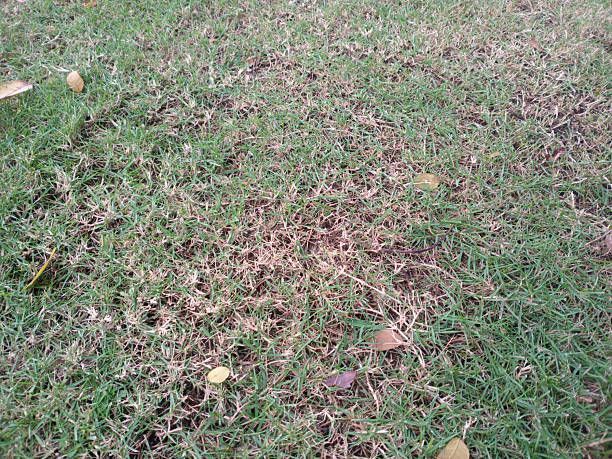
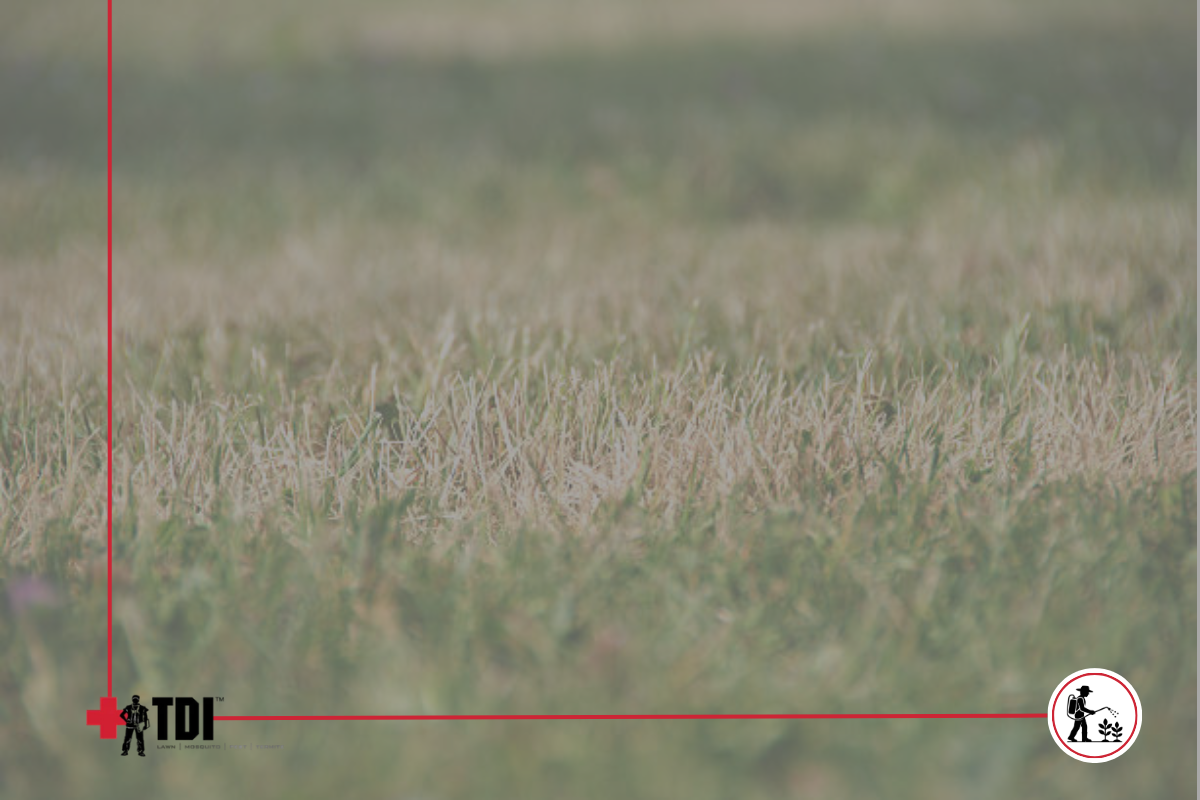
Many homeowners assume thin turf is simply part of seasonal change. In reality, thin grass could be a sign of nutrient deficiency or an underlying soil imbalance.
When turf lacks proper nutrition, it struggles to grow dense enough to crowd out weeds. This creates open space where invasive plants can spread.
Common causes of thinning lawns include:
• Poor fertilization timing
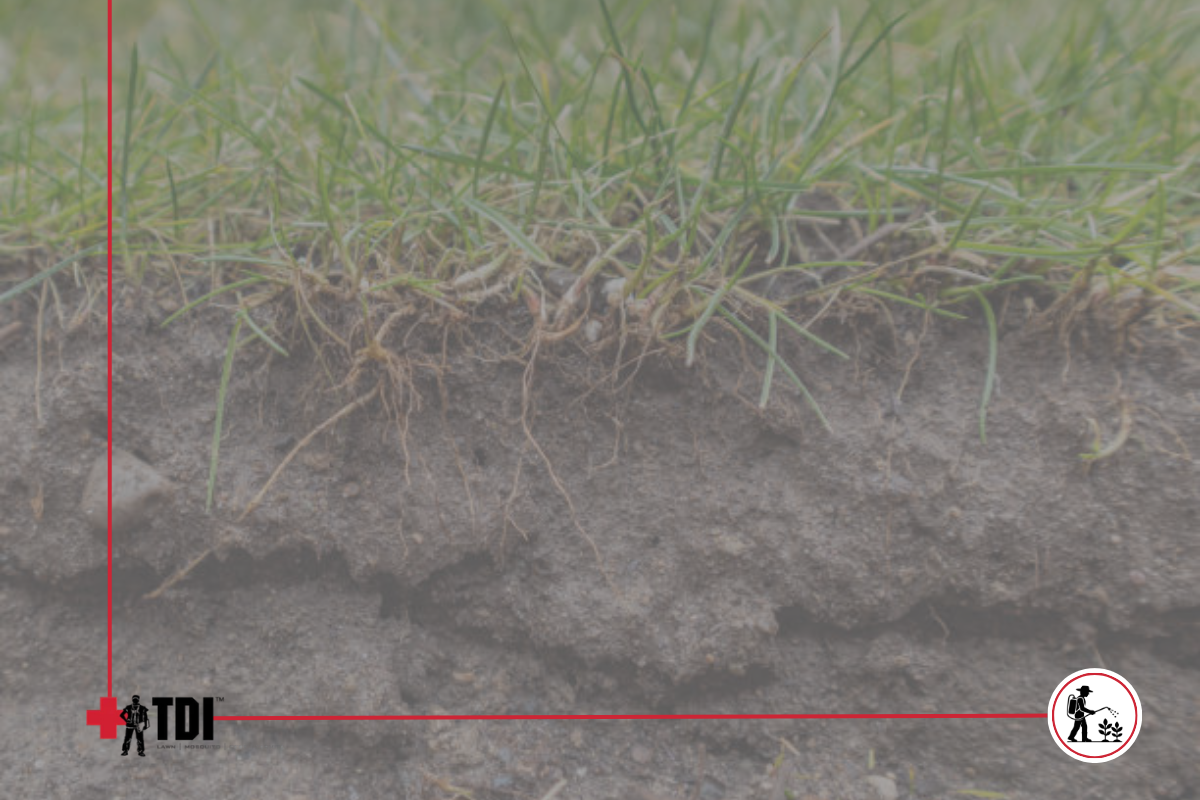
• Compacted soil
• Nutrient depletion from rainfall and mowing
• Improper mowing height
Healthy lawns grow thick and resilient. Dense turf blocks sunlight from reaching weed seeds and helps maintain soil moisture.
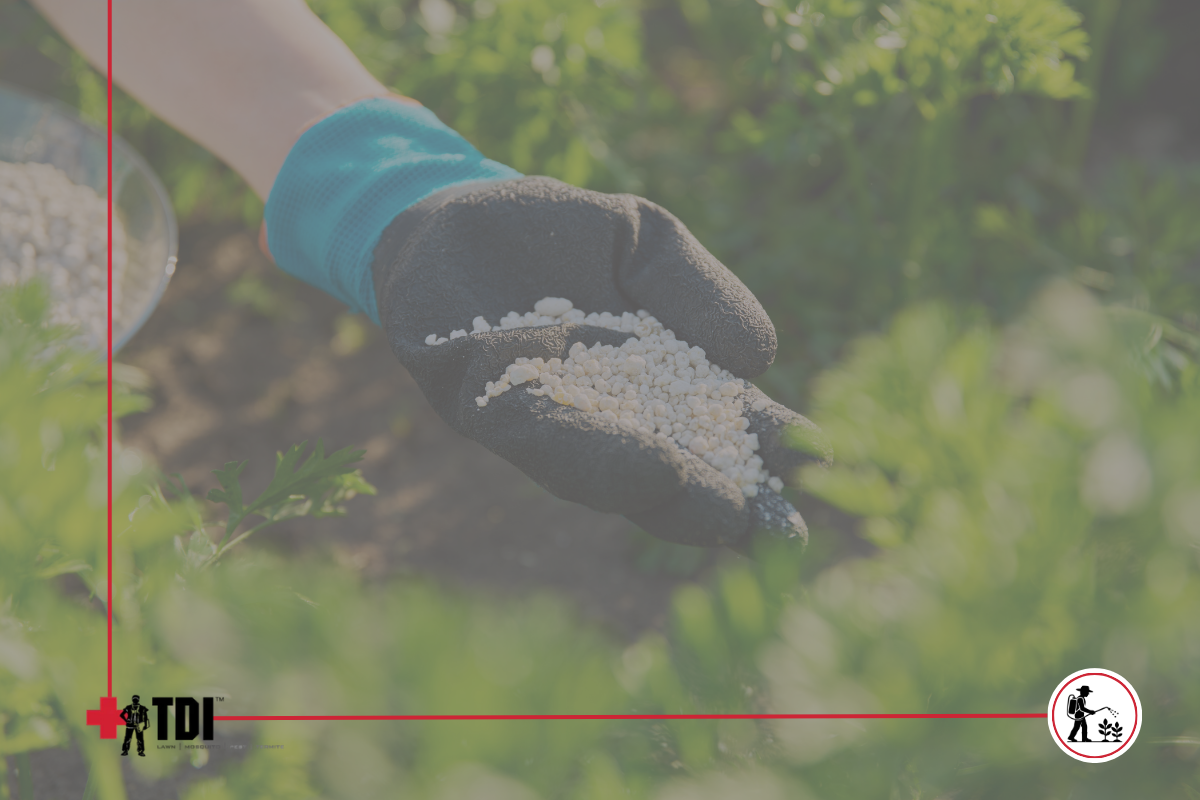
Professional lawn fertilization in Birmingham helps restore nutrient balance and encourages stronger root development. Proper timing also strengthens turf before summer stress arrives.
You can learn more about how seasonal fertilization works in our blog: Lawn Fertilization Explained: When, Why, and How It Helps Turf Health.
2. Small Brown Spots That Look Like Drought Stress
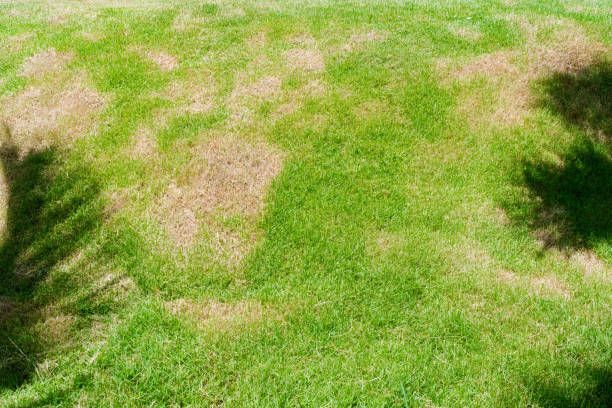
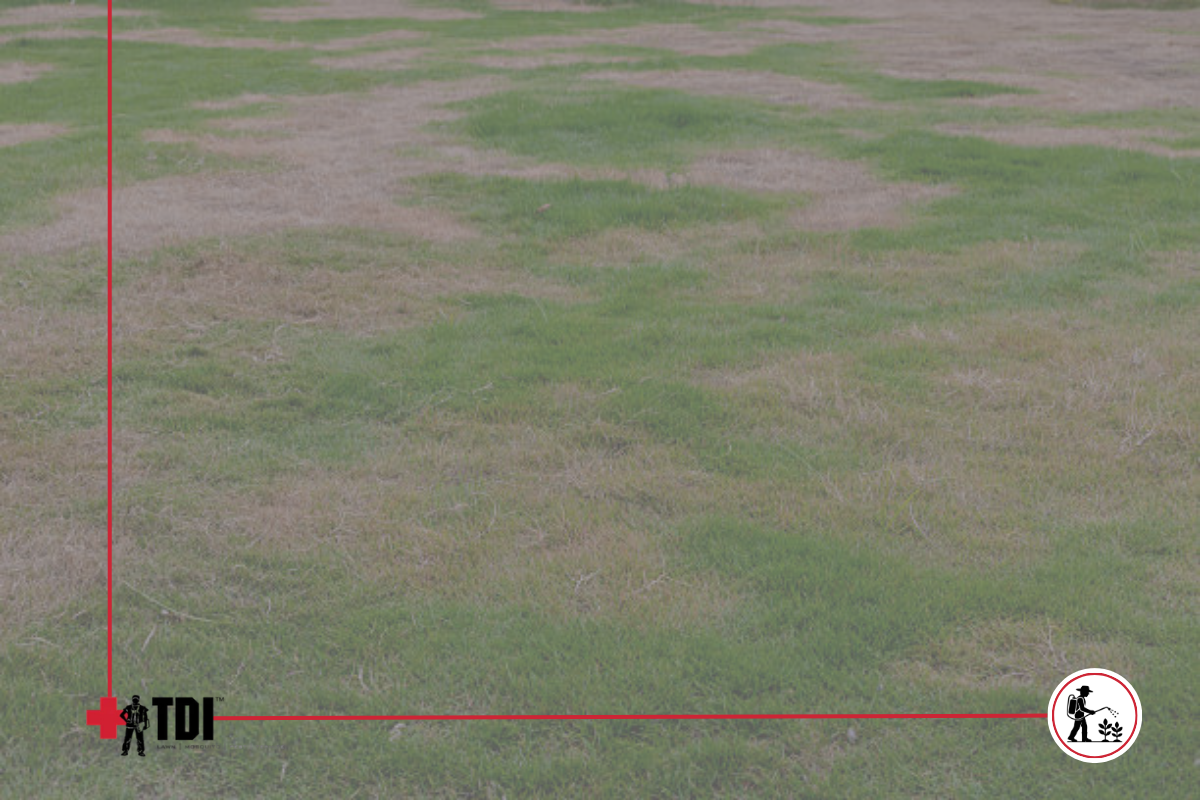
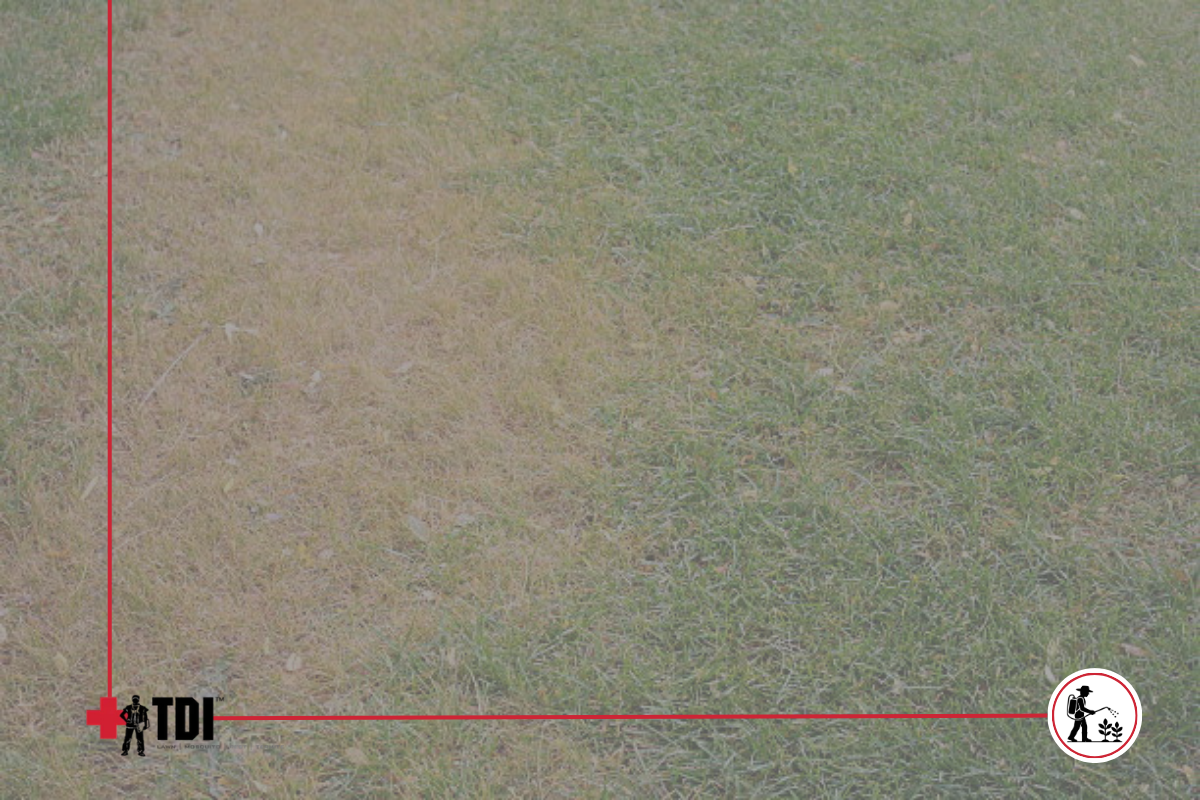
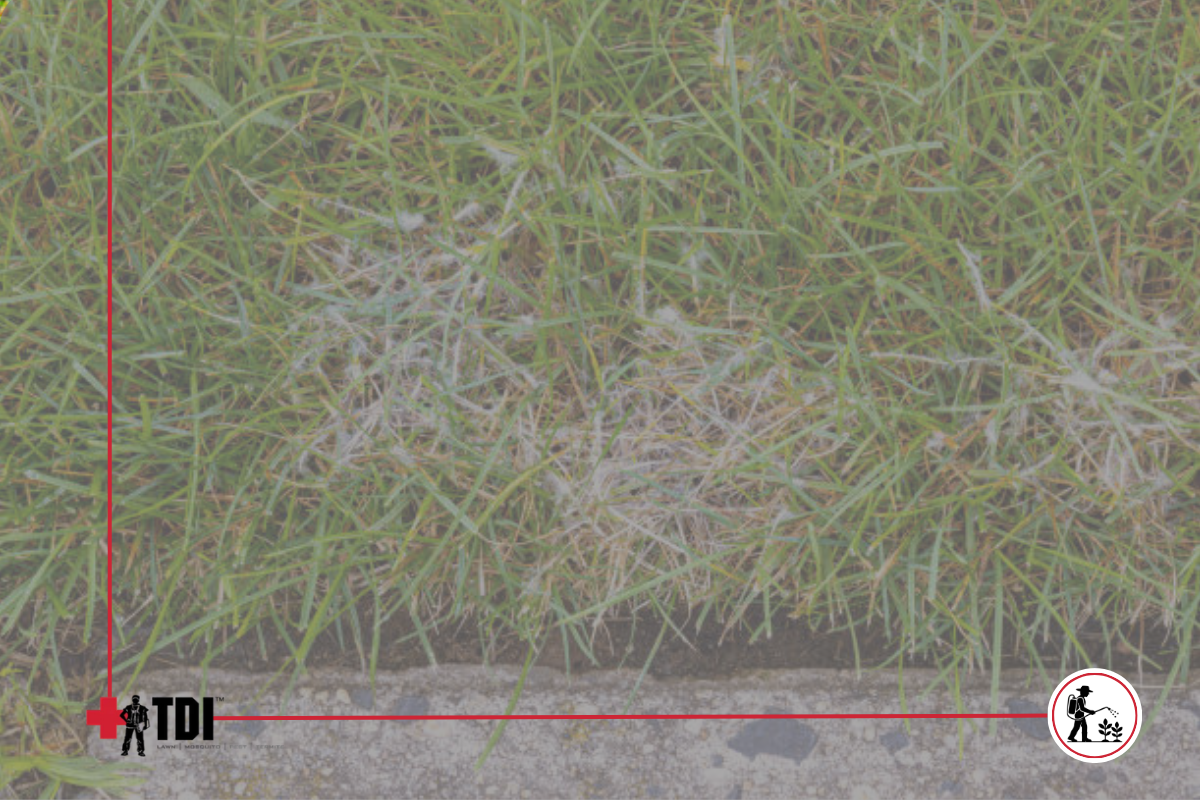
Brown patches in the grass are often blamed on a lack of water. While drought stress can cause discoloration, lawn insects and diseases are another common cause of early summer turf damage.
Several insects and diseases feed on grass roots and stems beneath the soil surface. As roots weaken, the grass above them begins turning brown.
Some of the most common lawn pests in Alabama include:
• White grubs
• Chinch bugs
• Armyworms
Some of the most common lawn diseases in Alabama include:
• Dollar Spot
• Brown Patch
• Large Patch
Damage from these insects and diseases can spread quickly across a lawn if not treated early.
According to the Alabama Cooperative Extension System, turf insects can cause extensive lawn damage by feeding on roots and stems, particularly during warm months.
Professional lawn insect and disease control services monitor turf conditions and apply preventative treatments before widespread damage occurs.
At TDI Services, insect and disease monitoring is part of our integrated lawn health program designed specifically for Birmingham area lawns.
3. Weeds That Appear After Mowing
Another deceiving lawn issue appears when weeds seem to pop up suddenly after mowing.
Homeowners often believe mowing spreads weeds. The real issue is usually thin turf combined with untreated weed pressure.
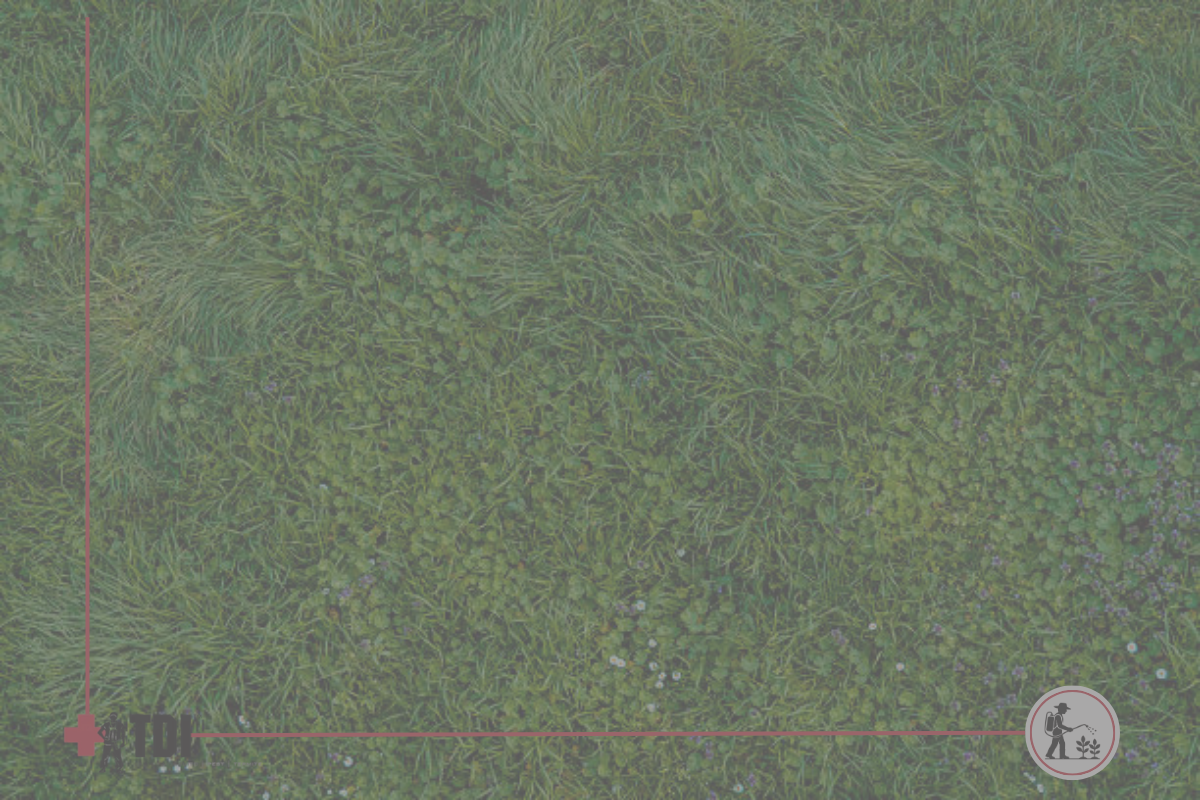
When grass density is low, sunlight reaches the soil surface. This allows weed seeds to germinate quickly, especially during warm spring and summer conditions.
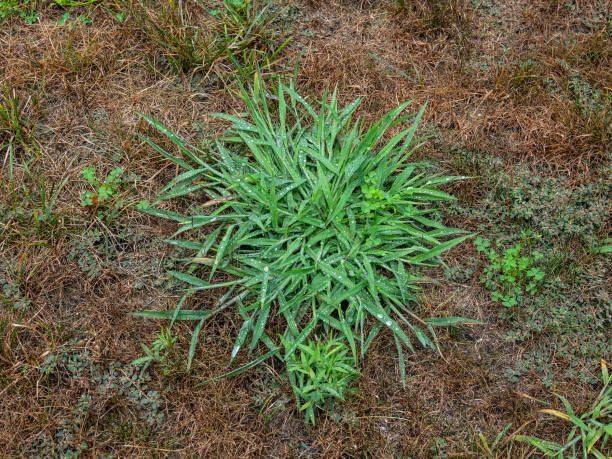
When grass density is low, sunlight reaches the soil surface. This allows weed seeds to germinate quickly, especially during warm spring and summer conditions.
Some of the most common weeds seen in Birmingham lawns include:
• Crabgrass
• Clover
• Spurge
• Dandelion
• Nutsedge
Once weeds become established, they compete with turf for water and nutrients.
Consistent weed control in Birmingham, AL, works alongside fertilization to strengthen grass and reduce weed pressure throughout the growing season.
Visit our
Biological Solutions Page
to learn how our technicians identify and treat these issues.
Why Lawn Problems Are Often Misdiagnosed
Many lawn issues look similar on the surface.
Brown patches, thinning turf, weeds, and discoloration can all appear related. However, the causes may be completely different.
Misdiagnosing lawn problems can lead to ineffective treatments that waste time and money.
Professional lawn care programs use a combination of:
• Turf monitoring
• Seasonal fertilization
• Weed control strategies
• Insect and disease prevention
• Soil health management
This integrated approach helps identify the real cause of lawn problems rather than just treating the symptoms.
Lawn Care for the Greater Birmingham Area
Central Alabama lawns face unique environmental challenges, including heat, humidity, clay soil, and aggressive weed pressure.
Successful lawn care in Birmingham, Alabama, requires treatments designed specifically for regional turf types like Bermuda grass and Zoysia grass.
TDI Services provides professional lawn care programs that focus on building healthy turf from the soil up.
With proper fertilization, weed control, and seasonal lawn monitoring, homeowners can prevent small problems from becoming major lawn damage.
A healthy lawn rarely happens by accident. It is built through consistent care, proper timing, and expert attention.
If you are seeing thin turf, spreading weeds, or unexplained brown patches, professional diagnosis can make a major difference.
Contact us
to learn more about our lawn treatment programs and schedule service.