The Lawn You Want Next Summer Starts Now: What Your Birmingham Lawn Is Really Doing This Winter
The Lawn You Want Next Summer Starts Now: What Your Birmingham Lawn Is Really Doing This Winter
When your lawn turns brown and growth stops, it is easy to assume it needs no attention until spring.
For Bermuda and Zoysia lawns in the Birmingham area, winter is a dormant period.
While active growth pauses, winter weeds are actively taking root below the surface.
At TDI Services, we help homeowners protect their turf year-round, starting with what happens during the dormant months.
What Is Happening Below the Surface
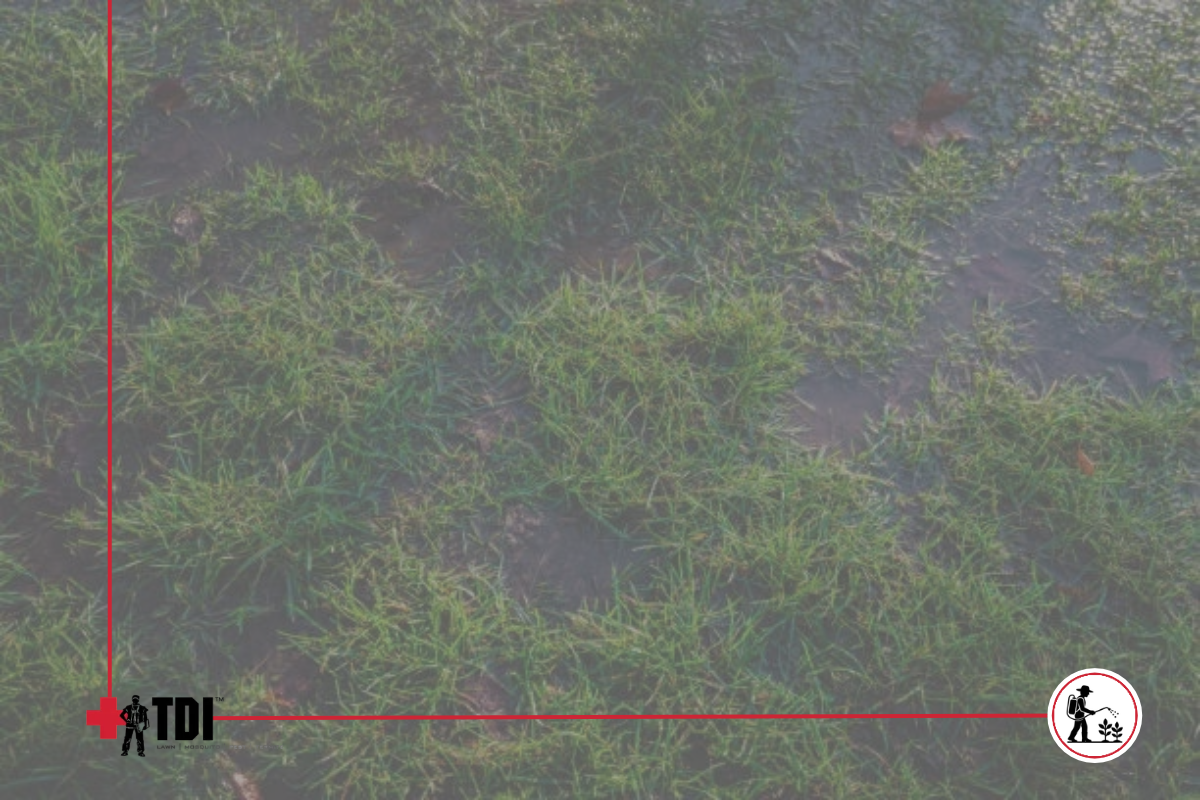
Winter weed seeds germinate quietly beneath dormant turf.
By the time they appear (which will be next spring and summer), prevention is no longer an option.
Now is the time to stop next summer’s weeds.
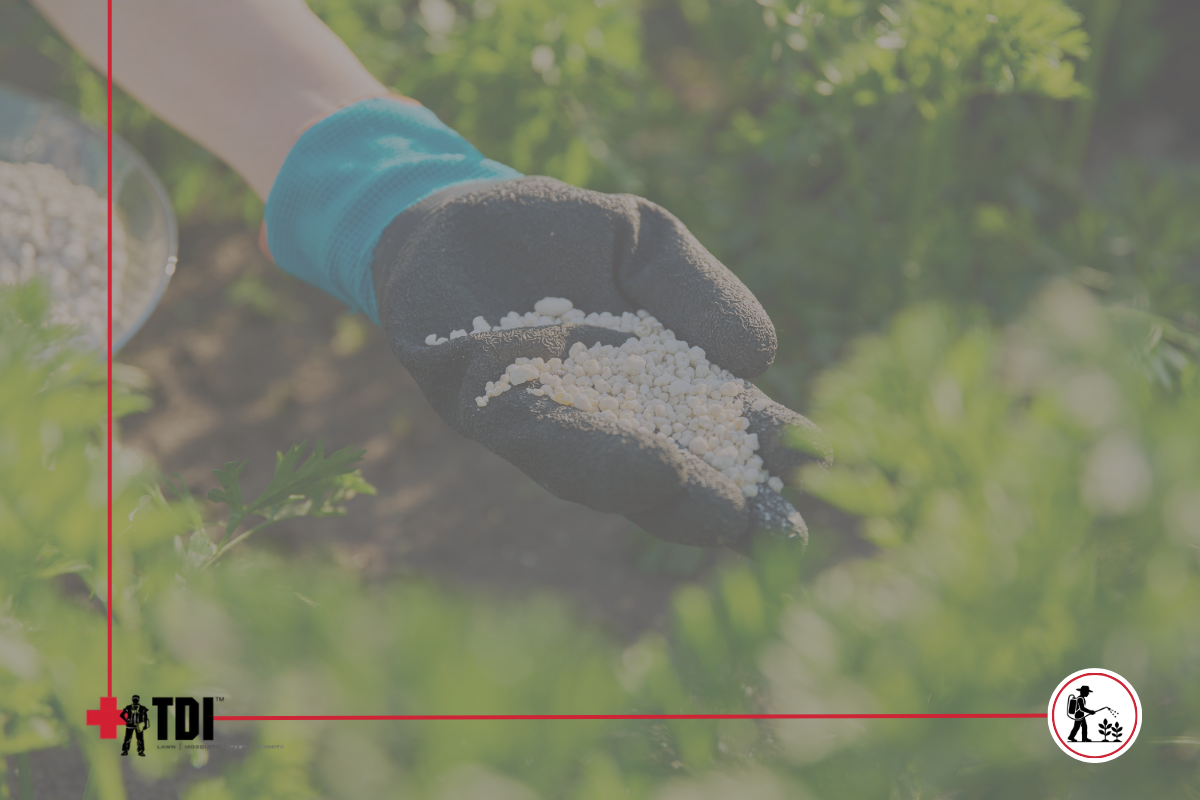
Applying pre-emergents during late fall and winter stops these weeds before the seeds have a chance to get started.
Why November Care Matters
Even if your lawn looks inactive in November, this transition period requires crucial maintenance.
TDI's Round 8 Pre-Emergent treatment stops next summer's weeds before they start.
Protecting Dormant Turf
Winter care is not about forcing growth.
It is about managing weed pressure and safeguarding the property while warm-season turf rests.
Winter Lawn Care Action Steps
Recognize Normal Dormancy
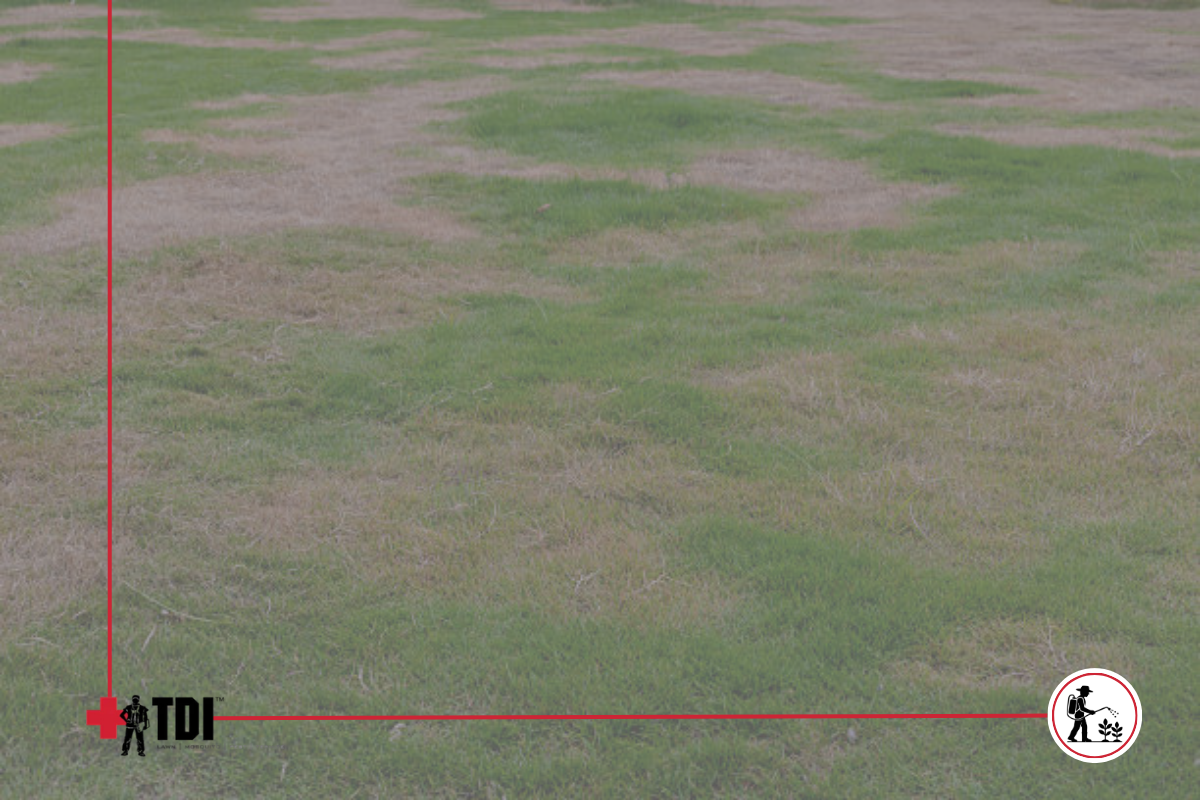
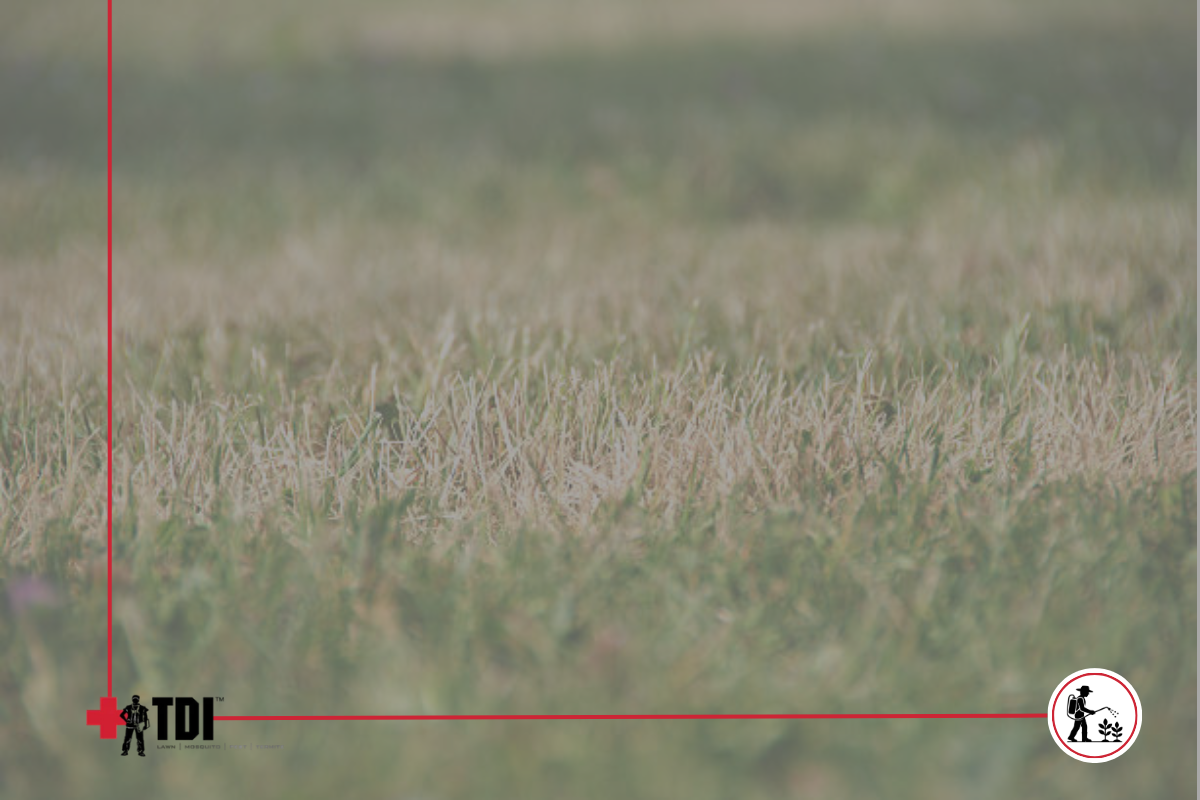
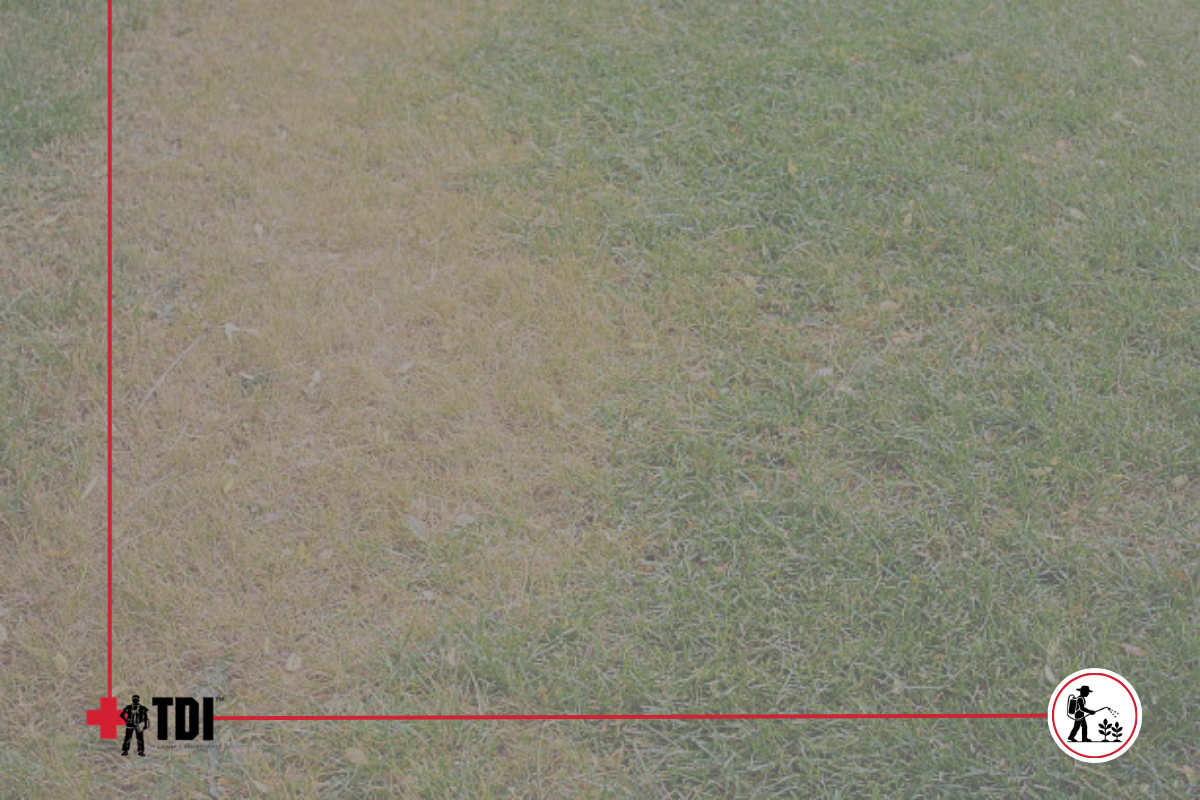
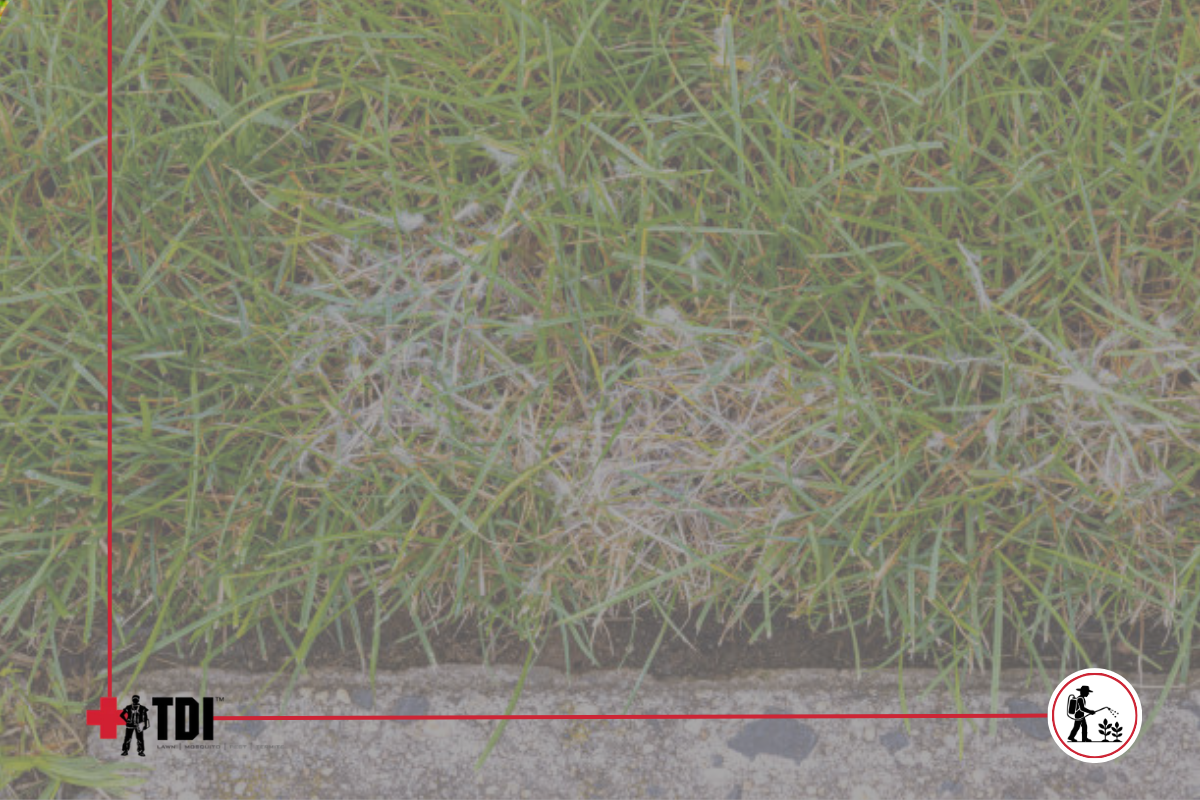
Brown or tan Bermuda and Zoysia turf is resting, not dead.
During the cooler months in Birmingham, warm-season grasses enter a protective state of dormancy to conserve energy and shield their root systems from cold temperatures.
While the top growth loses its vibrant green color and stops growing, the plant remains alive beneath the soil surface, preparing for spring green-up.
Understanding this natural resting phase helps homeowners avoid unnecessary watering or fertilizing, focusing instead on protective care that preserves turf health throughout the winter.
Don't Overlook Winter Weeds
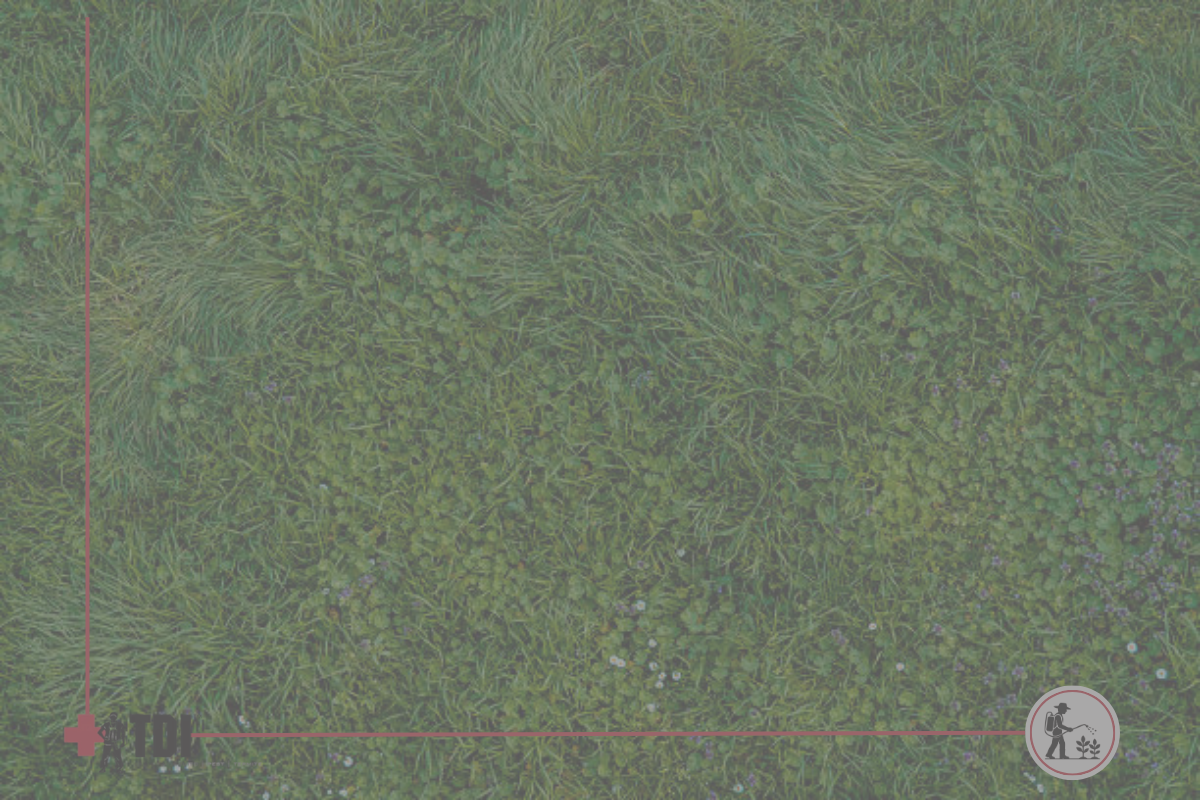
A dormant lawn does not mean weeds are dormant.
Winter weeds begin establishing quietly beneath dormant turf, making proactive seasonal weed prevention essential long before problem plants become visible above the soil.
During late fall and winter, cool-season broadleaf and grassy weeds germinate below the surface. Applying properly timed pre-emergent treatments during these cooler months creates a protective barrier in the soil that stops winter weeds before they ever break through.
Once weeds are visible, pre-emergents are no longer effective, leaving costlier and more difficult post-emergent controls as the only remaining option.
Stopping winter weeds during dormancy keeps them from competing with warm-season turf for soil nutrients and moisture, giving your Bermuda or Zoysia grass a clear, healthy path for spring green-up.
Maintain Program Consistency
Timely treatments address seasonal issues before spring green-up.
TDI Services uses an eight-round program that works progressively over the course of an entire year. It takes more than one treatment to see significant results.
Monitor for Unusual Changes
Distinguish normal seasonal color changes from potential turf health issues.
When the grass goes dormant, it is often hard to notice other problems such as insects and grubs. Let the TDI techs take a look to make sure you’re protected.
Care for Trees and Shrubs
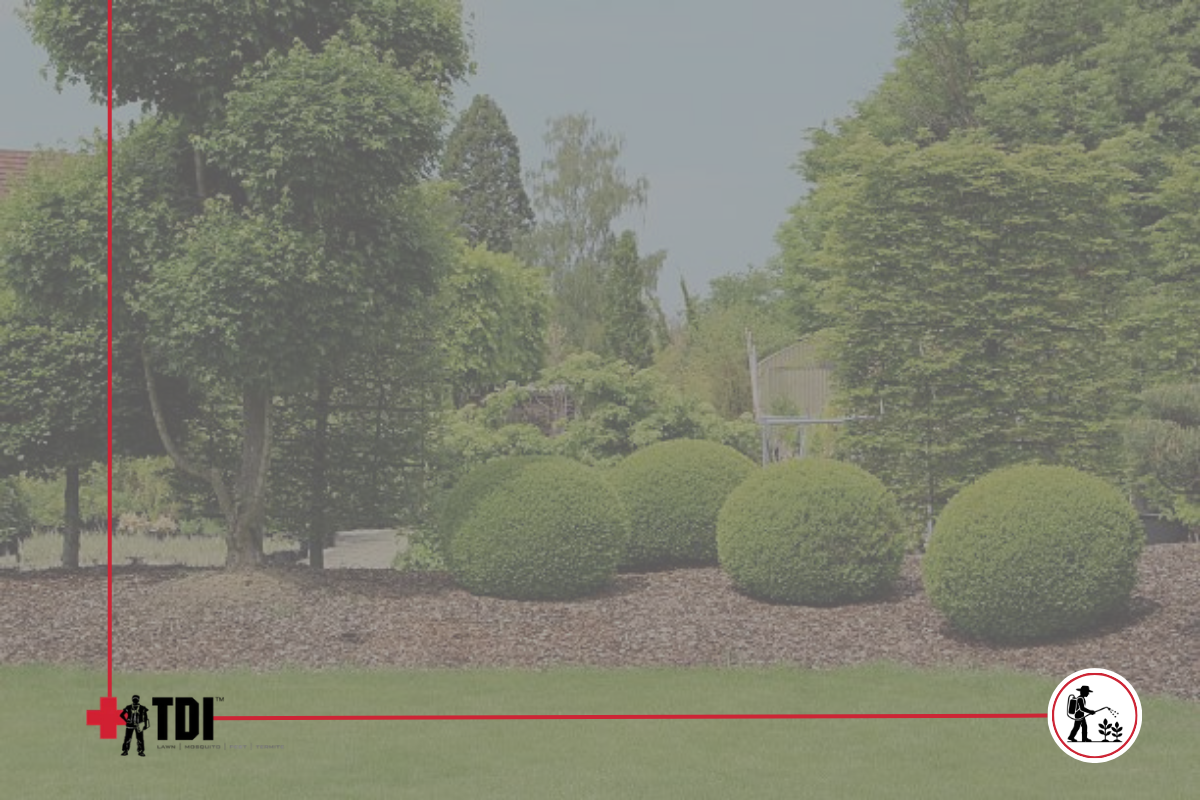
Extend comprehensive winterization care beyond turf-grass to include landscape plants, trees, and woody ornamentals throughout your property.
Applying targeted fall treatments equips your shrubs to withstand freezing temperatures, harsh winter winds, and seasonal moisture stress, protecting your total landscape investment until spring returns.
Is it normal for Bermuda grass to turn brown in winter?
Yes. Bermuda is a warm-season grass and naturally enters dormancy as temperatures become cooler. A brown or tan appearance during winter can be a normal part of that process.
Does Zoysia grass go dormant in Alabama?
Zoysia is also a warm-season grass, so it can enter dormancy during cooler weather. Its appearance during winter can be very different from what homeowners see during the growing season.
Can weeds grow while my lawn is dormant?
Yes. Your warm-season turf can be dormant while winter weeds become established. That's one reason seasonal pre-emergent applications are important.
Should I still have my lawn treated during winter?
Yes. Winter treatments focus on weed prevention and soil health rather than forcing growth.
When will my lawn turn green again?
Warm-season turf green-up begins in spring as temperatures consistently warm. Bermuda grasses start to green when the totals of the night and daytime high temperatures exceed 120 degrees. That is, add the two temperatures together: if the high is 50 at night and 70 during the day (120) Bermuda grass will start to green.
Can winter lawn care affect how my lawn looks next summer?
Winter is one part of your lawn's overall yearly care cycle. Addressing seasonal issues while the lawn is dormant can help put the property in a better position as warmer weather returns.
Prepare for Spring Growth Today
The decisions you make during the dormant season shape how your lawn looks next summer.
Contact TDI Services to keep your Birmingham lawn and landscape on track year-round.