Dollar Spot Fungus in Birmingham Lawns: How to Identify, Prevent, and Treat It
Dollar Spot Fungus in Birmingham Lawns: How to Identify, Prevent, and Treat It
If you've noticed small, straw-colored patches appearing throughout your lawn this summer, you may be dealing with Dollar Spot fungus.
Dollar Spot is one of the most common lawn diseases affecting Bermuda grass and Zoysia grass in Birmingham and throughout Central Alabama. The combination of high humidity, warm temperatures, and frequent afternoon rain creates ideal conditions for fungal growth.
The good news is that most cases can be corrected when identified early.
Understanding what Dollar Spot looks like and how to treat it can help prevent minor damage from becoming a larger lawn health issue.
What Is Dollar Spot Fungus?
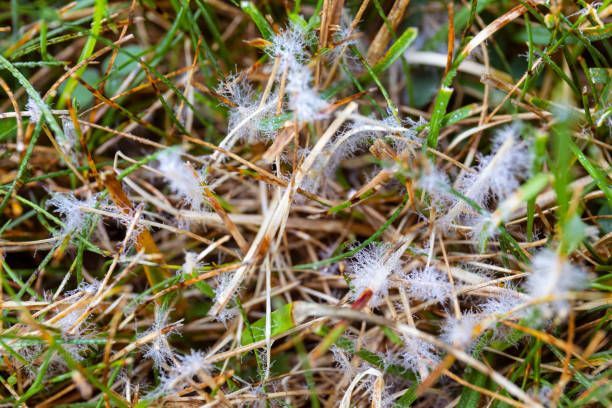
Dollar Spot is a turfgrass disease caused by the fungus Clarireedia homoeocarpa. It gets its name from the small, circular patches it creates that are roughly the size of a silver dollar.
The disease most commonly develops during periods of:
- High humidity
- Frequent rainfall
- Heavy dew accumulation
- Warm daytime temperatures
- Nutrient-deficient turf
Lawns under stress are often more susceptible to infection.
According to the University of Maryland Extension, Dollar Spot is one of the most widespread turfgrass diseases in the United States, and it is commonly associated with low nitrogen levels and extended leaf moisture.
What Does Dollar Spot Look Like?
Many homeowners initially mistake Dollar Spot for drought stress or insect damage.
Common signs include:
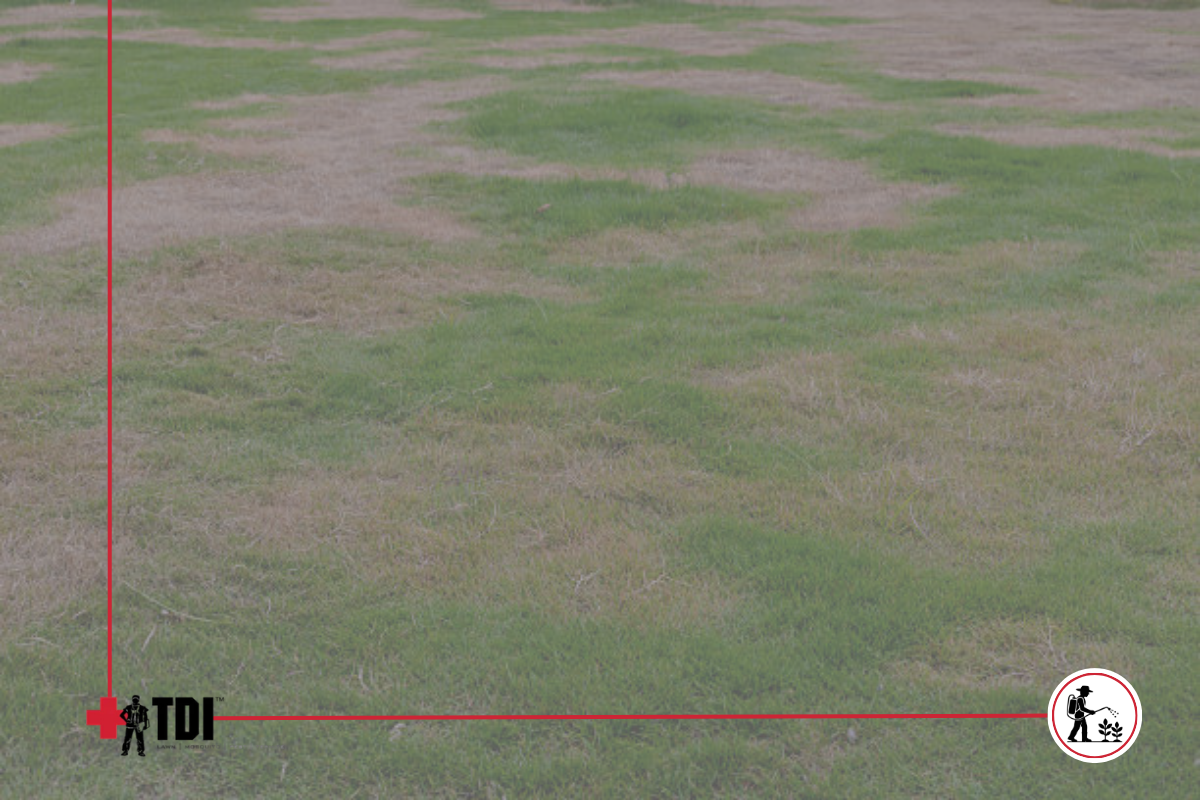
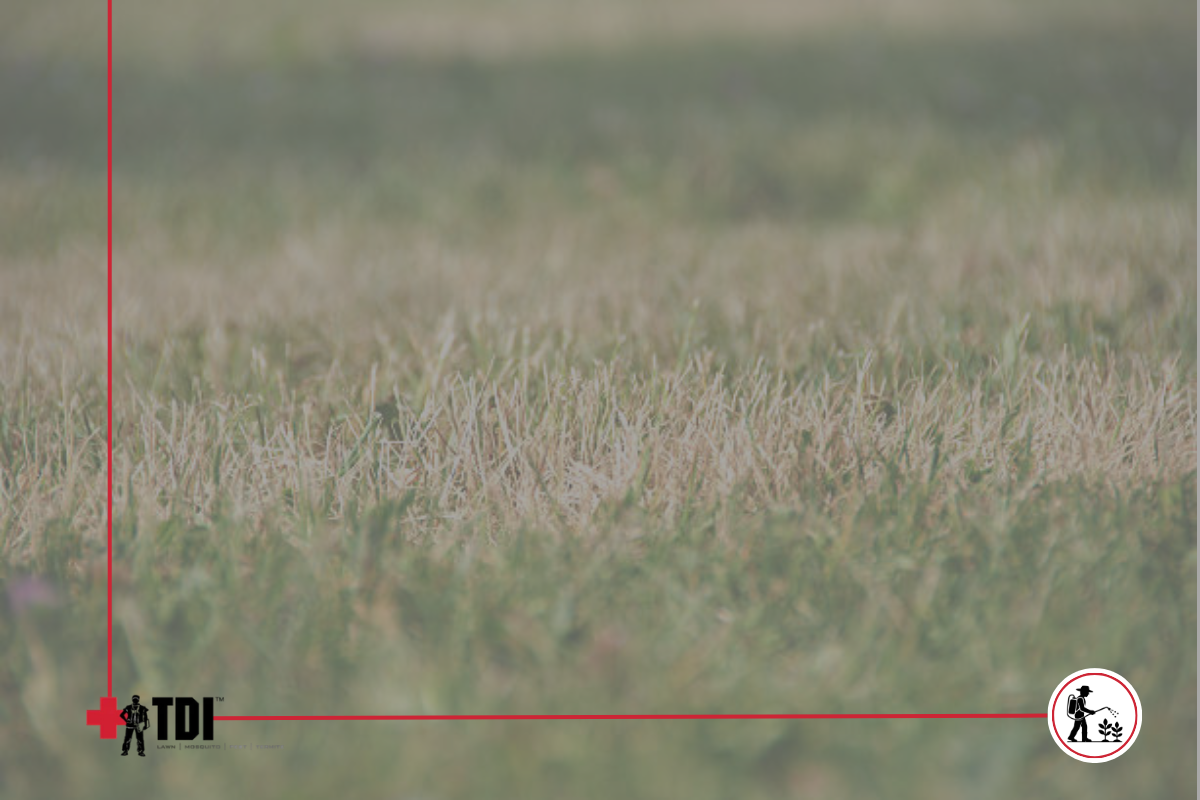
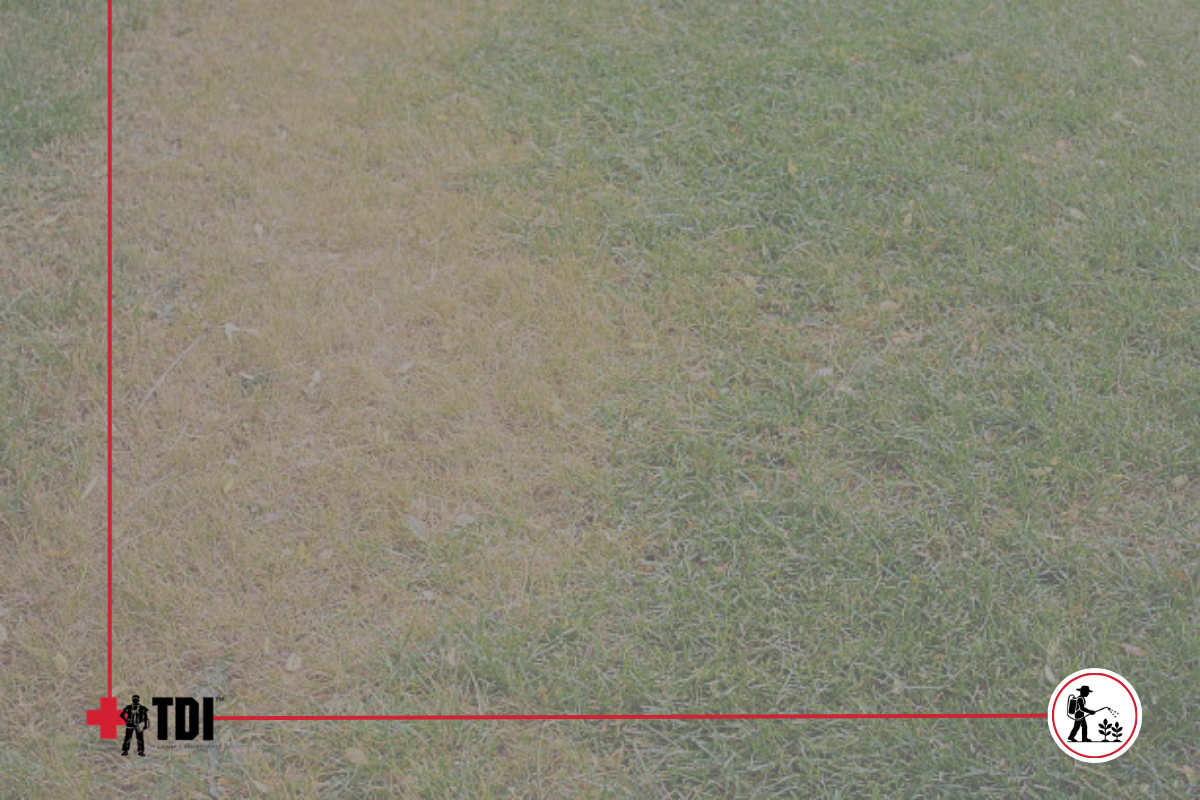
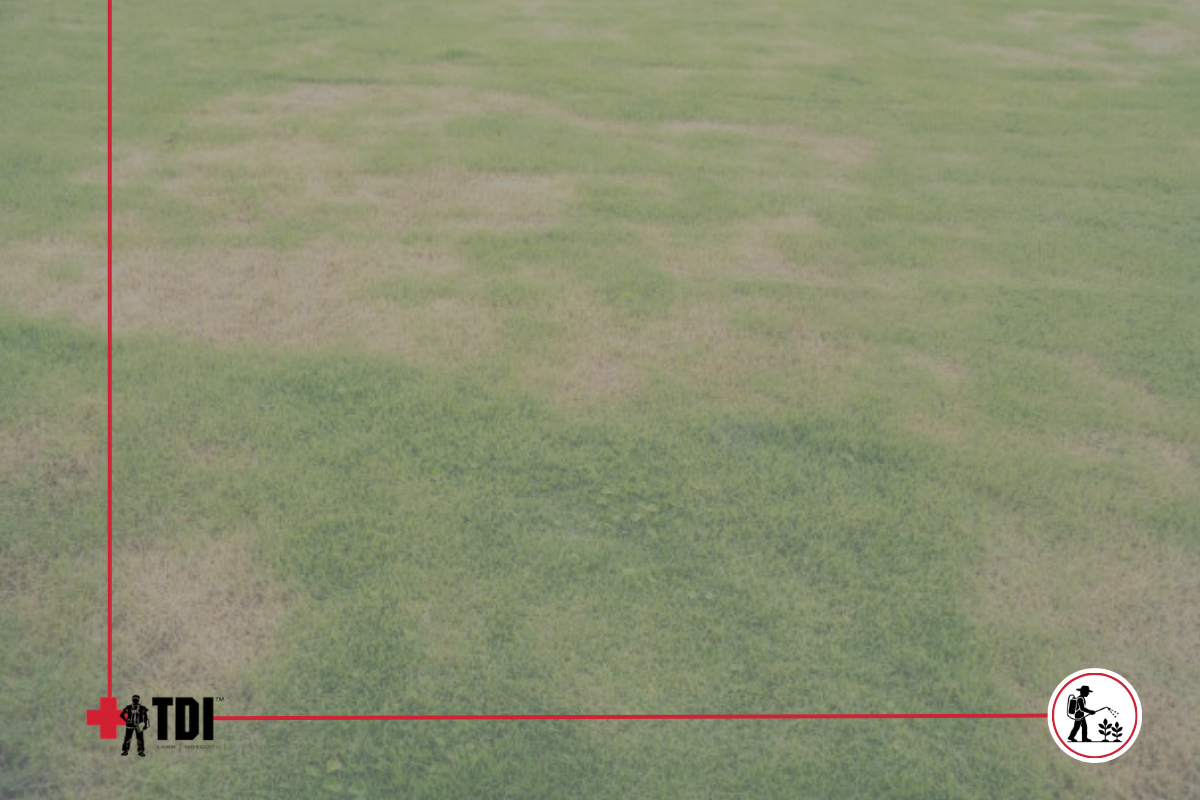
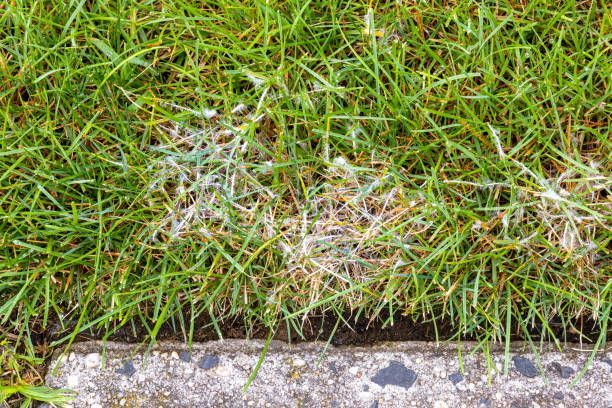
- Small tan or straw-colored spots throughout the lawn
- Circular patches approximately 2 to 6 inches wide
- Thinning turf in affected areas
- Bleached grass blades
- Patches that gradually merge into larger damaged sections
In Birmingham lawns, Dollar Spot often appears after periods of repeated afternoon rain followed by warm, humid evenings.
The disease is especially common during summer when moisture remains on grass blades for extended periods.
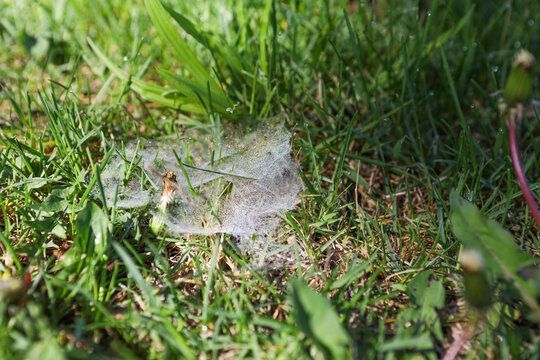
Why Dollar Spot Is Common in Birmingham
Central Alabama provides nearly perfect conditions for fungal development.
High humidity levels combined with frequent summer thunderstorms create a moisture-rich environment that allows Dollar Spot to spread quickly.
Several factors increase risk:
- Low nitrogen fertility
- Excessive leaf moisture
- Poor air circulation
- Compacted soil
- Inconsistent lawn maintenance
This is why a properly managed lawn care program is often the best defense against fungal outbreaks.
Learn more about TDI's professional lawn care services here.
How to Treat Dollar Spot
The treatment approach depends largely on the severity of the infection.
Mild Cases
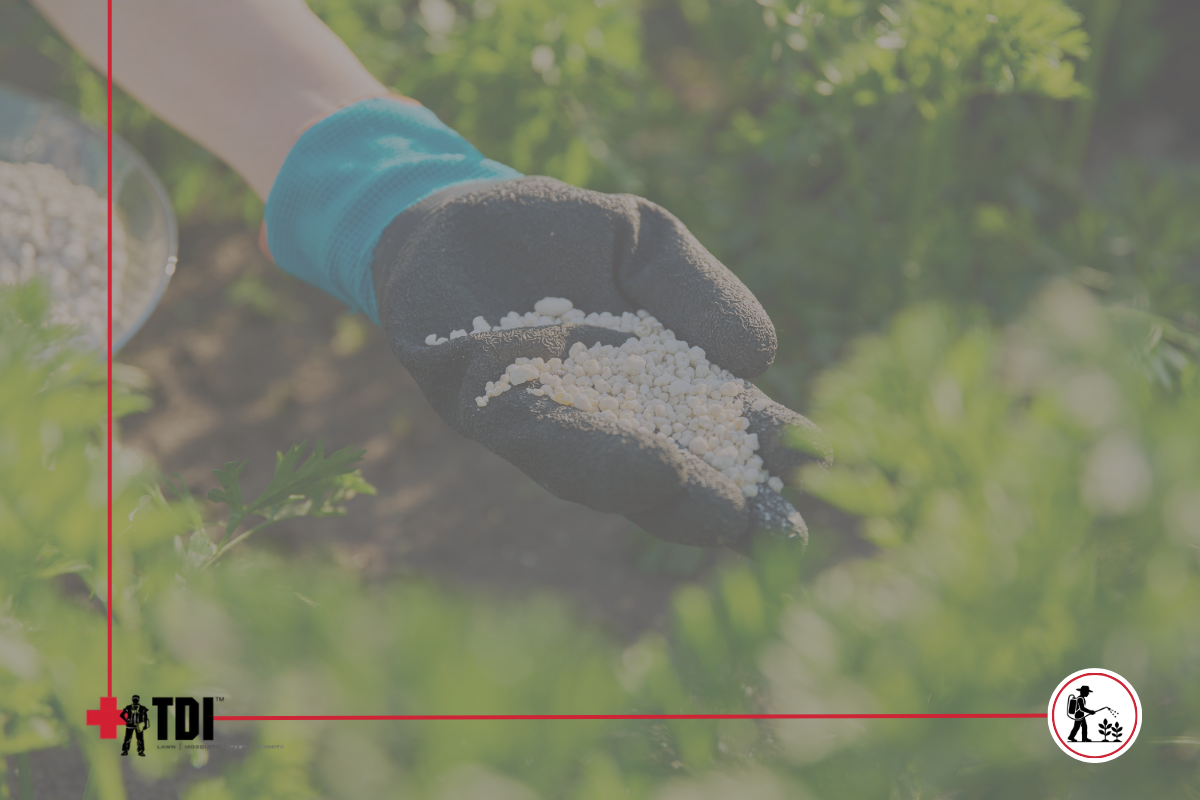
Most mild Dollar Spot outbreaks can be corrected through proper fertilization.
When turf receives adequate nutrients, healthy grass often outgrows the damage within one or two mowing cycles.
Proper fertility helps the lawn recover naturally while strengthening turf against future stress.
Moderate to Severe Cases
When Dollar Spot becomes widespread or continues spreading despite fertilization, fungicide treatment may be necessary.
Professional fungicide applications target the active disease and help stop further progression before larger sections of turf become damaged.
Early intervention typically produces the best results.
How to Prevent Dollar Spot Fungus
Prevention is always easier and less expensive than treatment.
Homeowners can reduce the likelihood of Dollar Spot by:
- Maintaining proper fertilization schedules
- Mowing at recommended heights
- Watering deeply but less frequently
- Improving air circulation around turf
- Addressing soil health issues
- Monitoring lawn conditions during humid weather
Many of these preventative measures are already built into TDI's comprehensive lawn care programs.
Explore our approach to long-term lawn health here.
The Role of Soil Health in Disease Prevention
Healthy soil creates healthier turf.
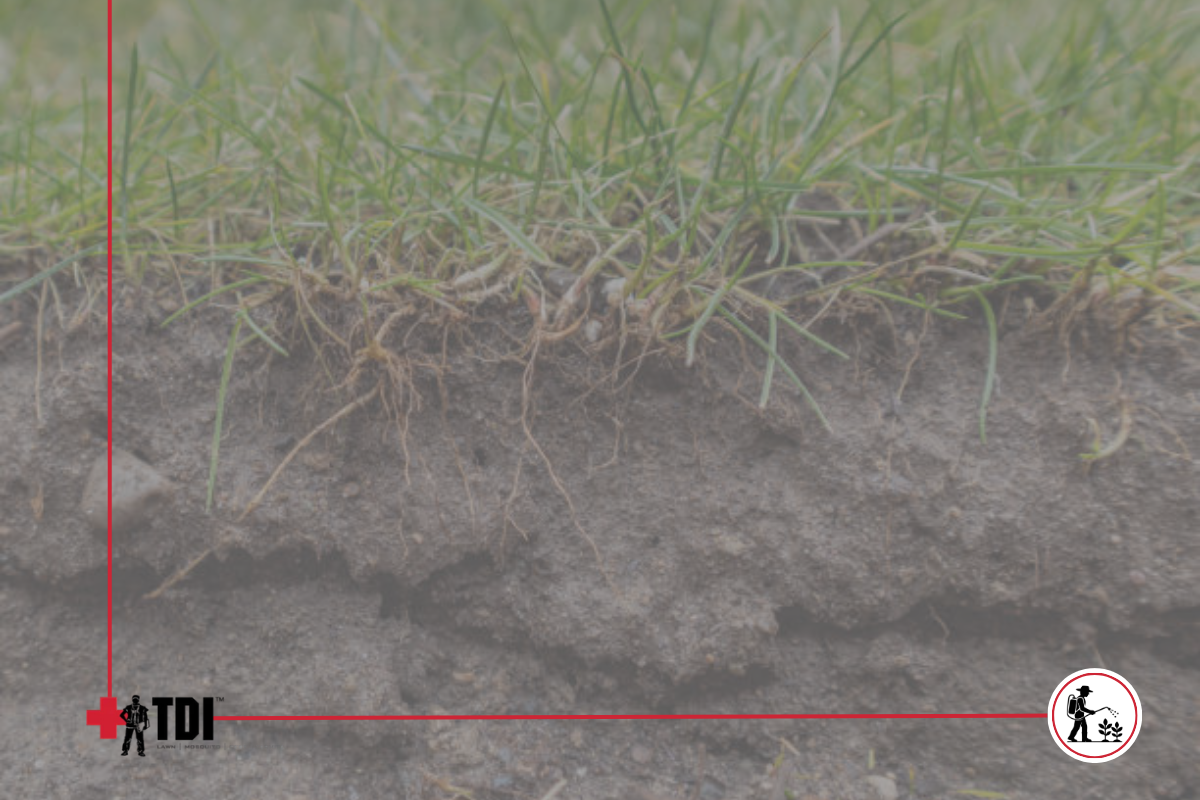
Strong root systems and balanced nutrient availability help lawns withstand environmental stress and recover faster from disease pressure.
Biological lawn care programs focus on improving the soil ecosystem while supporting stronger turf growth above ground.
This proactive approach helps reduce many of the conditions that contribute to fungal outbreaks.
When to Call a Lawn Care Professional
Dollar Spot can look similar to drought stress, grub damage, and other turf diseases.
Misidentifying the problem can lead to delayed treatment and additional lawn damage.
If you're seeing widespread discoloration, expanding patches, or recurring fungal issues, a professional evaluation can help determine the correct course of action.
At TDI Services, our team helps Birmingham homeowners diagnose lawn problems, improve soil health, and implement customized treatment plans designed for Alabama's growing conditions.
Ready to protect your lawn from Dollar Spot and other common turf diseases? Contact TDI Services today for a professional lawn evaluation and customized treatment plan.