Why Is Grass in Birmingham Turning Yellow?
Why Is Grass in Birmingham Turning Yellow?
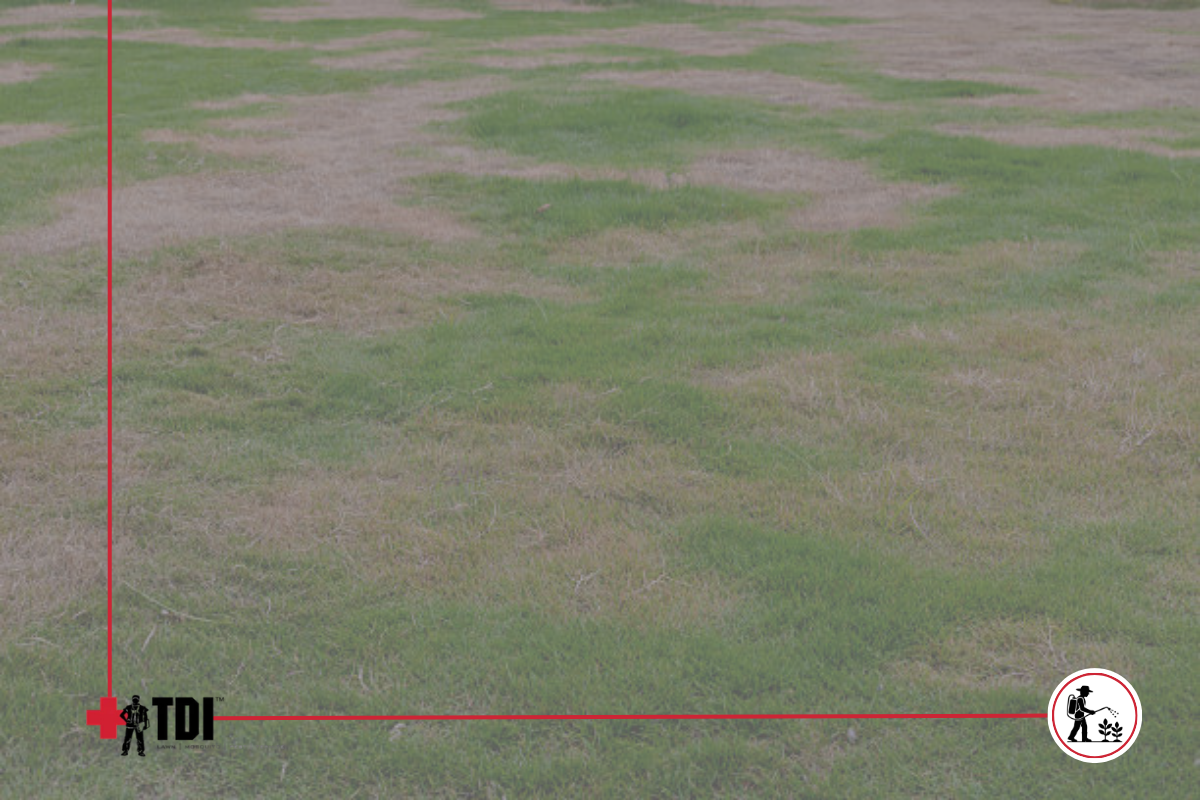
Your lawn isn't always asking for more water.
If you've noticed yellow patches spreading across your lawn, your first instinct might be to grab the sprinkler. But here's something many Birmingham homeowners don't realize:
Yellow grass is a symptom, not the problem.
Everything from fungal diseases and insect damage to nutrient deficiencies and soil health can cause your lawn to lose its vibrant green color. Knowing why it's happening is the first step toward fixing it before the damage spreads.
What Causes Grass to Turn Yellow?
Several factors can cause yellow or discolored grass, and many produce similar symptoms. That's why identifying the root cause is so important.
The most common causes include:
- Heat and drought stress
- Dollar Spot fungus
- Grub damage
- Nutrient deficiencies
- Soil compaction
- Overwatering or poor drainage
- Mowing too short
Let's take a closer look.
1. Heat Stress and Drought
During Alabama summers, prolonged heat can put tremendous stress on your lawn.
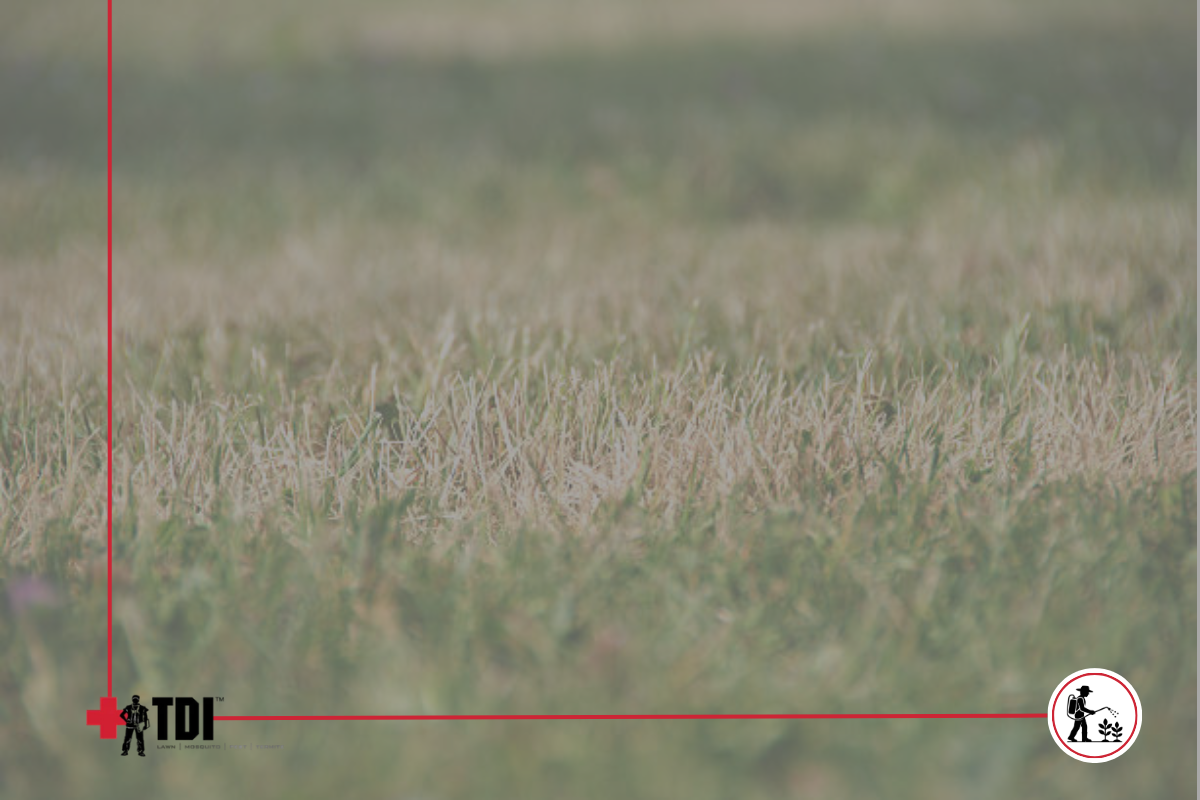
When temperatures stay high for extended periods, grass naturally slows its growth to conserve energy. As moisture levels decline, blades may begin turning yellow or tan.
Signs include:
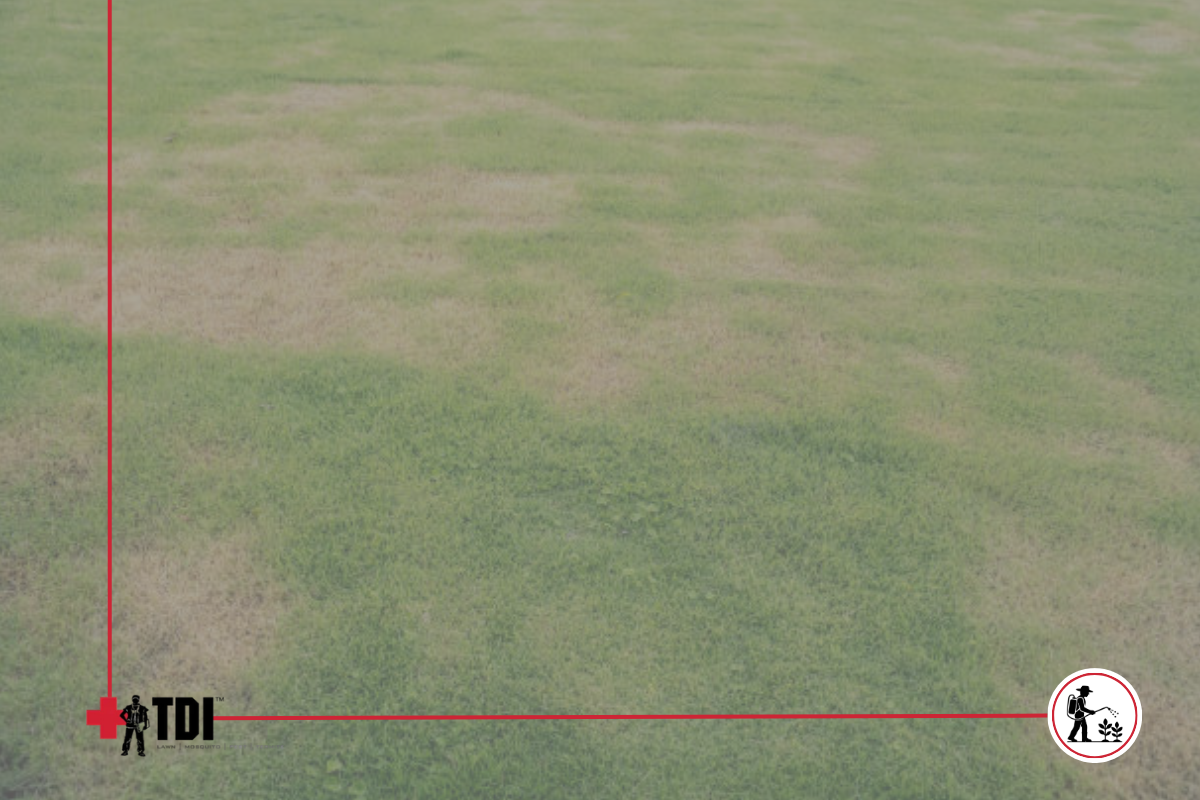
- Uniform yellowing across large areas
- Dry, brittle blades
- Grass that doesn't spring back after being walked on
Deep, infrequent watering is typically more beneficial than watering lightly every day.
2. Dollar Spot Fungus
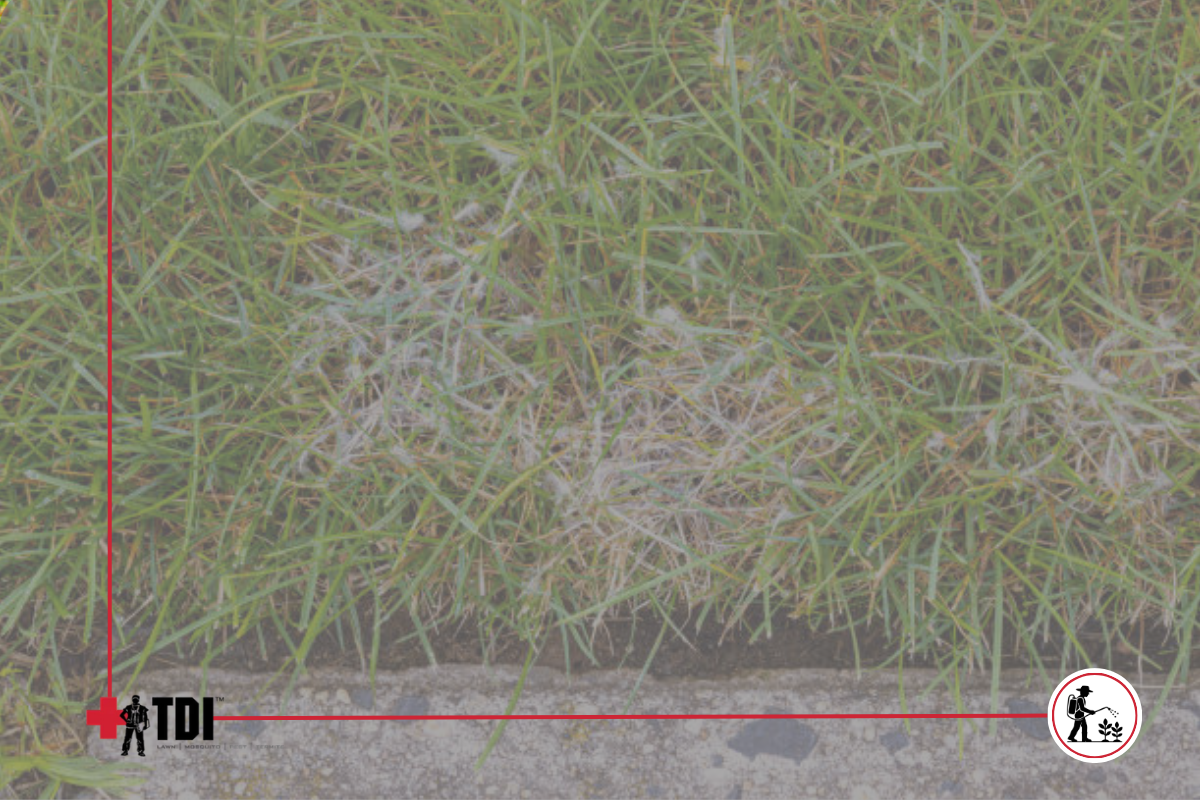
One of the most common causes of yellow patches in Birmingham is Dollar Spot fungus.
Many homeowners mistake it for drought because the symptoms look similar.
Look for:
- Small straw-colored circles
- Bleached grass blades
- Patches that gradually merge together
Warm temperatures combined with humidity create ideal conditions for Dollar Spot throughout Central Alabama.
Learn more about identifying and treating Dollar Spot on our Turf Talk blog.
3. Grubs Feeding Below the Surface
Sometimes the problem isn't above ground at all.
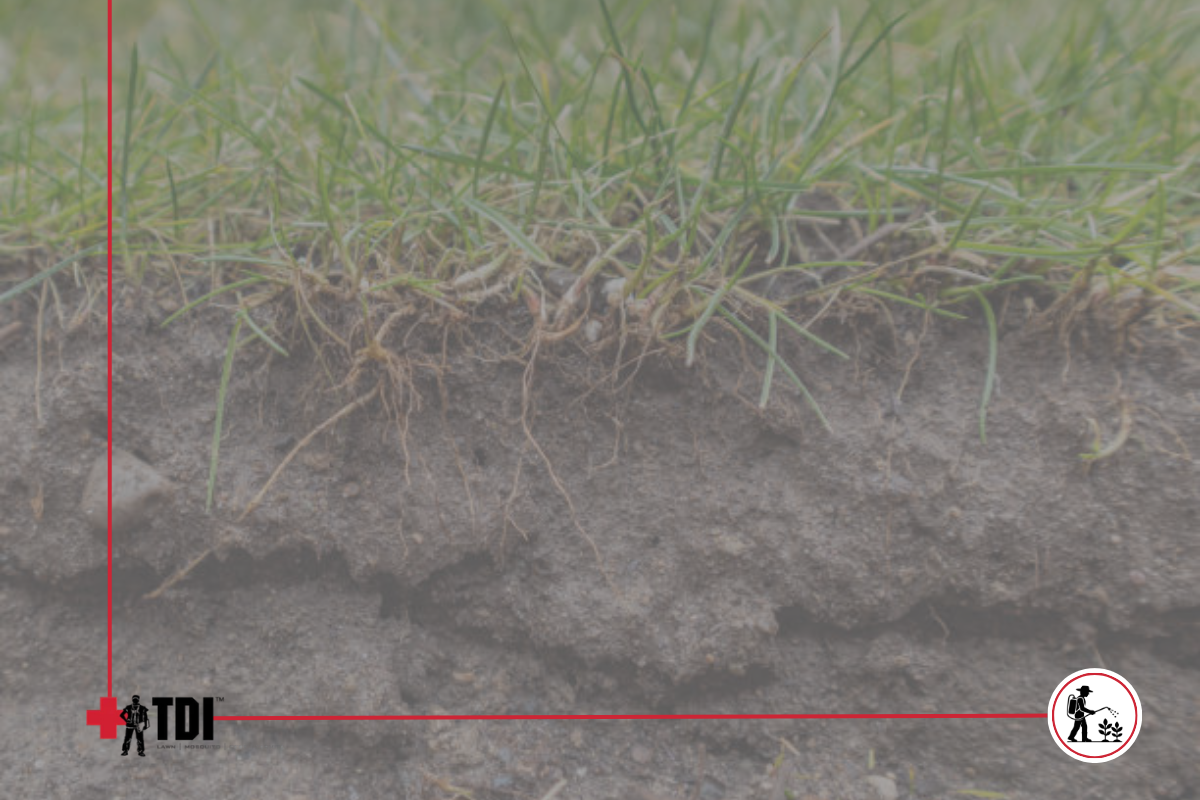
Grubs feed on the roots that keep your lawn healthy. As the roots disappear, the grass can no longer absorb water and nutrients, even if you're watering regularly.
Common signs include:
- Yellow or brown patches
- Turf that pulls up like carpet
- Increased bird or armadillo activity
Because grub damage begins underground, prevention is often far more effective than waiting until symptoms appear.
Learn about TDI's Lawn Care Program.
4. Nutrient Deficiencies
Grass needs more than sunlight and water to stay healthy.
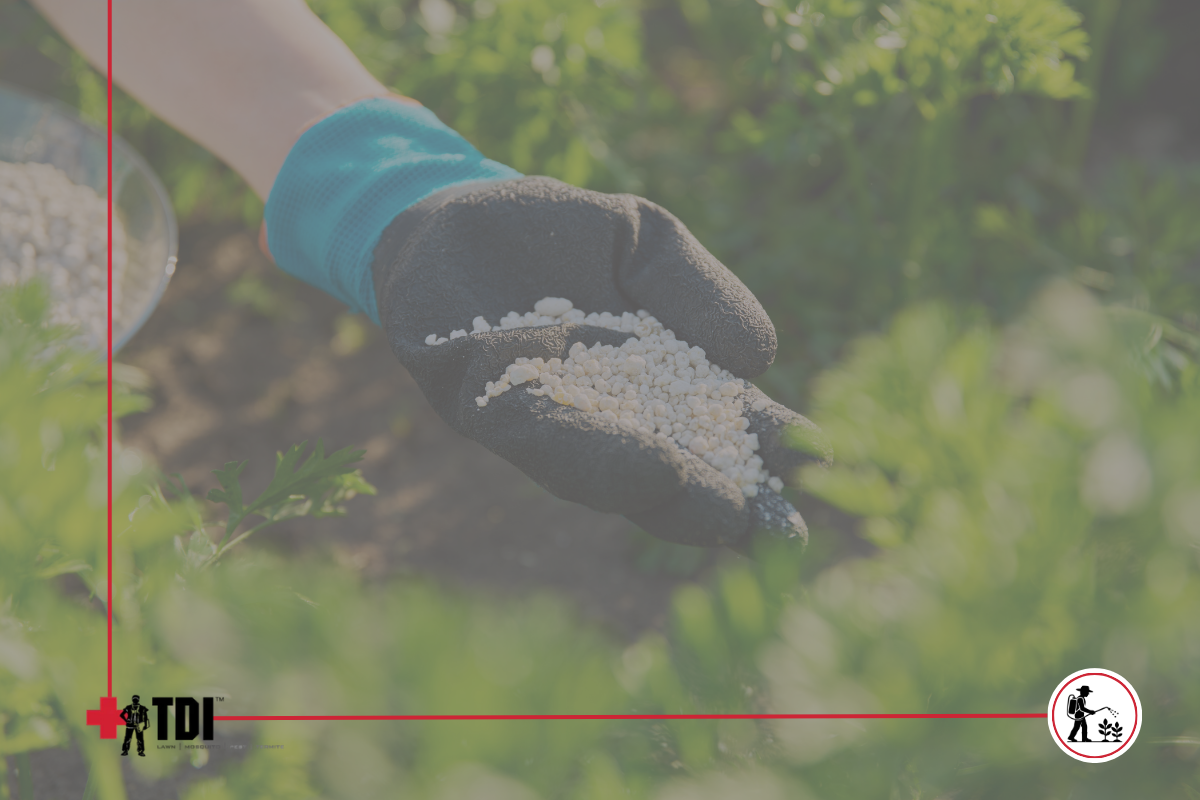
Nitrogen, iron, and other nutrients play an important role in maintaining deep green color and healthy growth.
A lawn with poor soil biology may struggle to absorb nutrients even after fertilization.
This is one reason TDI emphasizes improving soil health, not simply applying products.
Explore our Biological Lawn Solutions.
5. Soil Compaction
Healthy roots need oxygen.
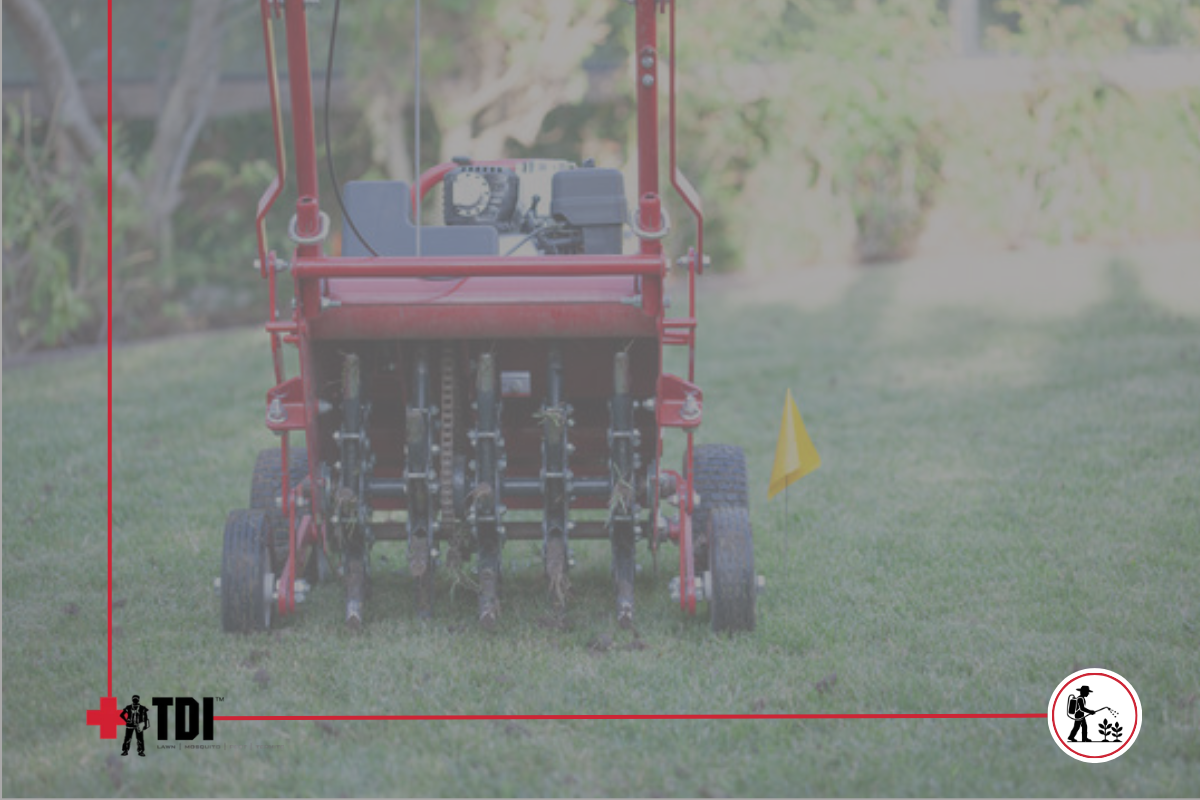
When soil becomes compacted from foot traffic, clay content, or construction, water and nutrients struggle to reach the root system.
Signs include:
- Thin turf
- Standing water
- Yellowing despite regular watering
Healthy soil is the foundation of a healthy lawn.
Is It Fungus, Grubs, or Drought?
Symptom Include:
- Small circular yellow patches
- Large dry areas
- Grass pulls up easily
- Entire lawn looks pale
- Thin growth with standing water
Possible Causes:
- Dollar Spot fungus
- Heat or drought stress
- Grub damage
- Nutrient deficiency
- Soil compaction
What Should You Do If Your Grass Is Turning Yellow?
Before adding more water or fertilizer, take time to determine what's causing the discoloration.
Applying the wrong treatment can waste time and sometimes make the problem worse.
Professional lawn evaluations help identify:
- Disease
- Insect activity
- Soil conditions
- Nutrient deficiencies
- Environmental stress
The earlier the issue is identified, the easier it usually is to correct.
Frequently Asked Questions
Why is my grass turning yellow even though I water it?
Yellow grass can result from fungal diseases, grubs, nutrient deficiencies, or compacted soil. Water alone won't solve these issues.
Can yellow grass turn green again?
Yes. If the underlying cause is treated early, healthy grass often recovers.
Does fertilizer fix yellow grass?
Not always. If the discoloration is caused by insects, fungus, or poor soil conditions, fertilizer alone won't solve the problem.
When should I call a lawn care professional?
If yellow patches continue spreading, your lawn isn't responding to watering, or you notice thinning turf, it's a good idea to schedule an evaluation before the damage worsens.
Trusted Lawn Care for Birmingham Homeowners
At TDI Services, we know that every lawn tells a story. Yellow grass is your lawn's way of letting you know something isn't right, but with the right diagnosis and treatment plan, it doesn't have to stay that way.
Whether the issue is disease, insects, soil health, or seasonal stress, our team helps homeowners across Birmingham build stronger, healthier lawns from the ground up.
If you're unsure what's causing your lawn to yellow, contact TDI Services for a professional evaluation.