How to Treat Bermuda and Zoysia Grass in Alabama

Chris Gregory • July 8, 2026

How to Treat Bermuda and Zoysia Grass in Alabama

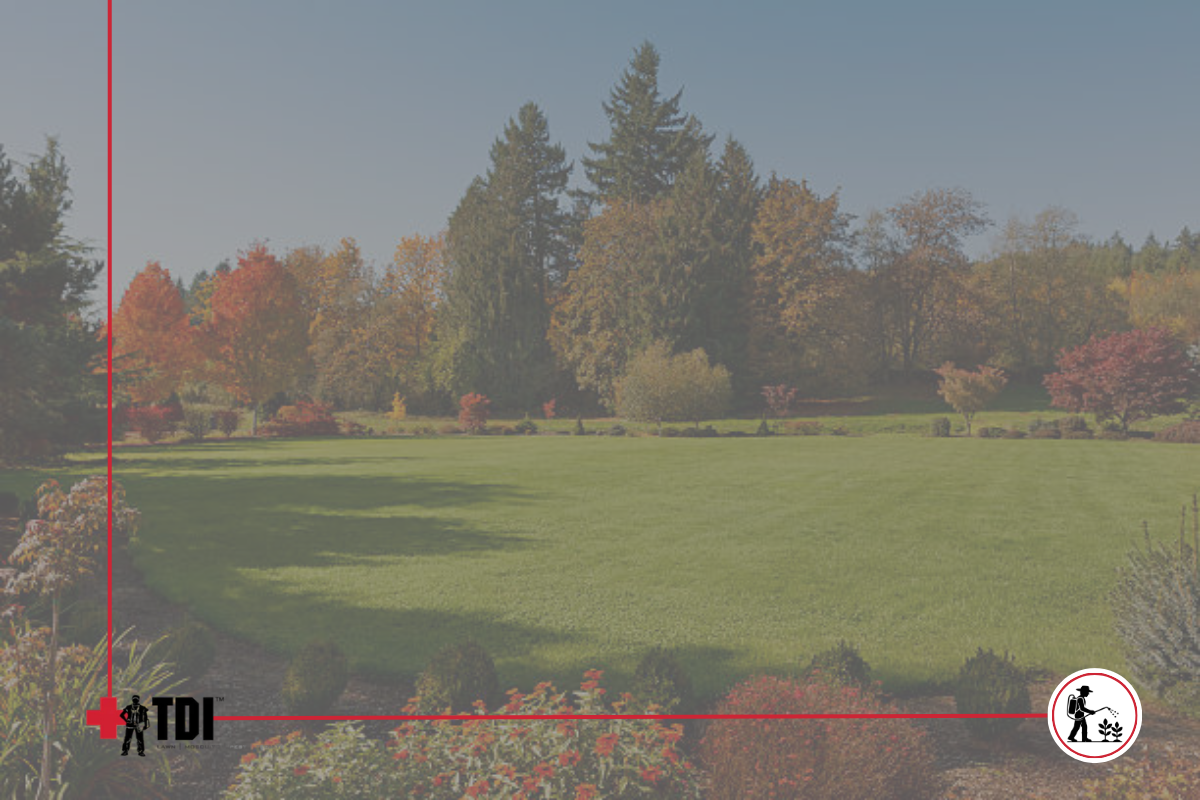
A healthy lawn starts with understanding the type of grass growing in your yard. Different grass types require different mowing heights, fertilization schedules, watering routines, and weed control strategies.


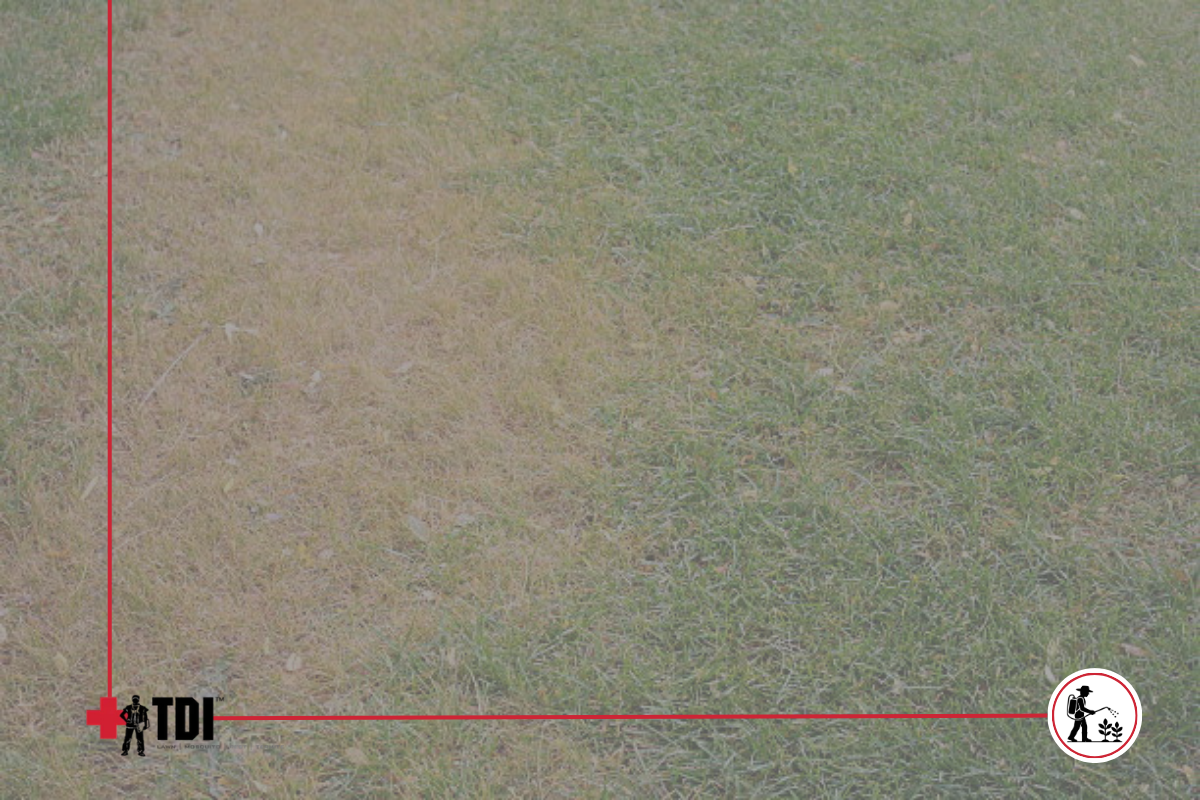
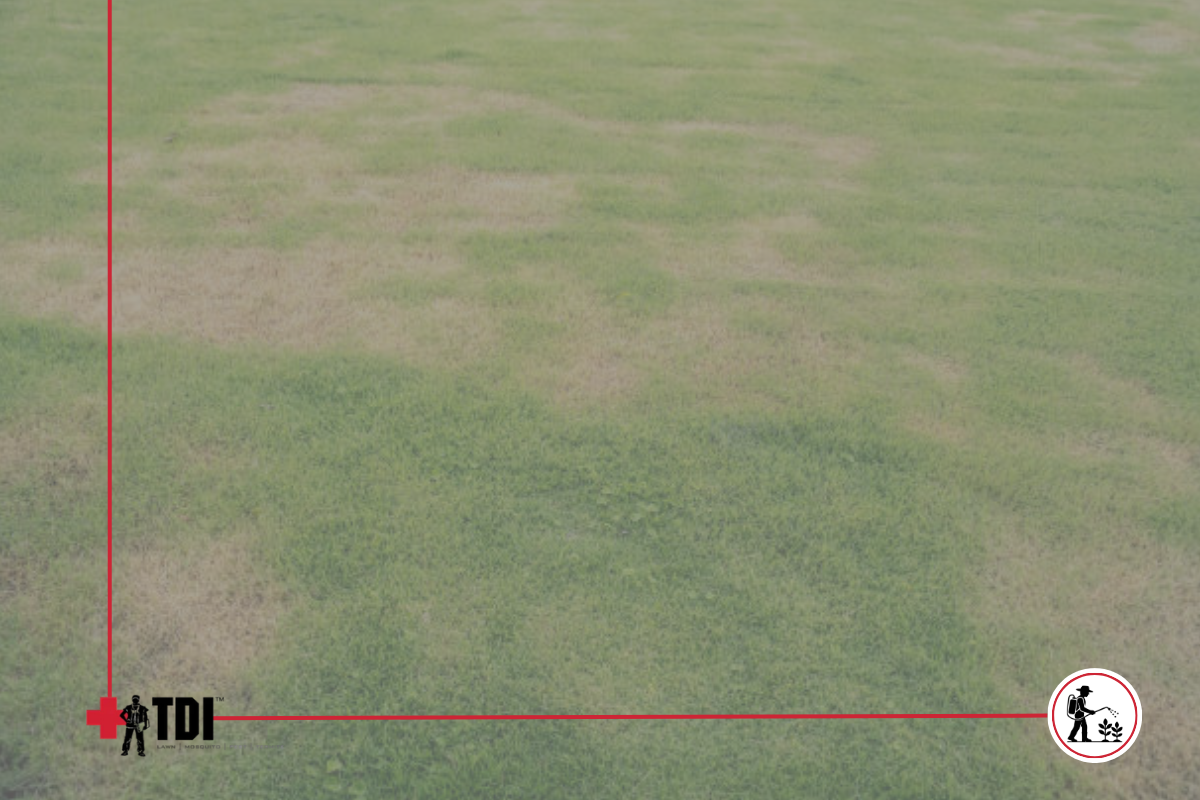
Treating every lawn the same can lead to thin turf, discoloration, disease pressure, and unnecessary lawn stress.


For homeowners in Birmingham, Hoover, and surrounding Alabama communities, knowing how to properly care for Bermuda grass and  Zoysia grass is one of the most important steps toward maintaining a thick, healthy lawn year-round.


At TDI Services, we help homeowners build stronger lawns through customized lawn care programs designed specifically for Alabama turf and climate conditions.


Understanding Common Grass Types in Central Alabama

Many lawns across Central Alabama contain warm-season grasses such as Bermuda grass and Zoysia grass.


Bermuda Grass Lawn Care

Bermuda grass is one of the most common turf types in Birmingham because of its heat tolerance and durability. It grows aggressively during late spring and summer and performs best in full sunlight.


To properly treat Bermuda grass lawns:


 • Mow frequently during peak growing season
• Water deeply but avoid overwatering
• Monitor for grubs and lawn insects


Bermuda grass thrives when soil conditions remain healthy, and nutrient levels stay balanced.


Zoysia Grass Lawn Care

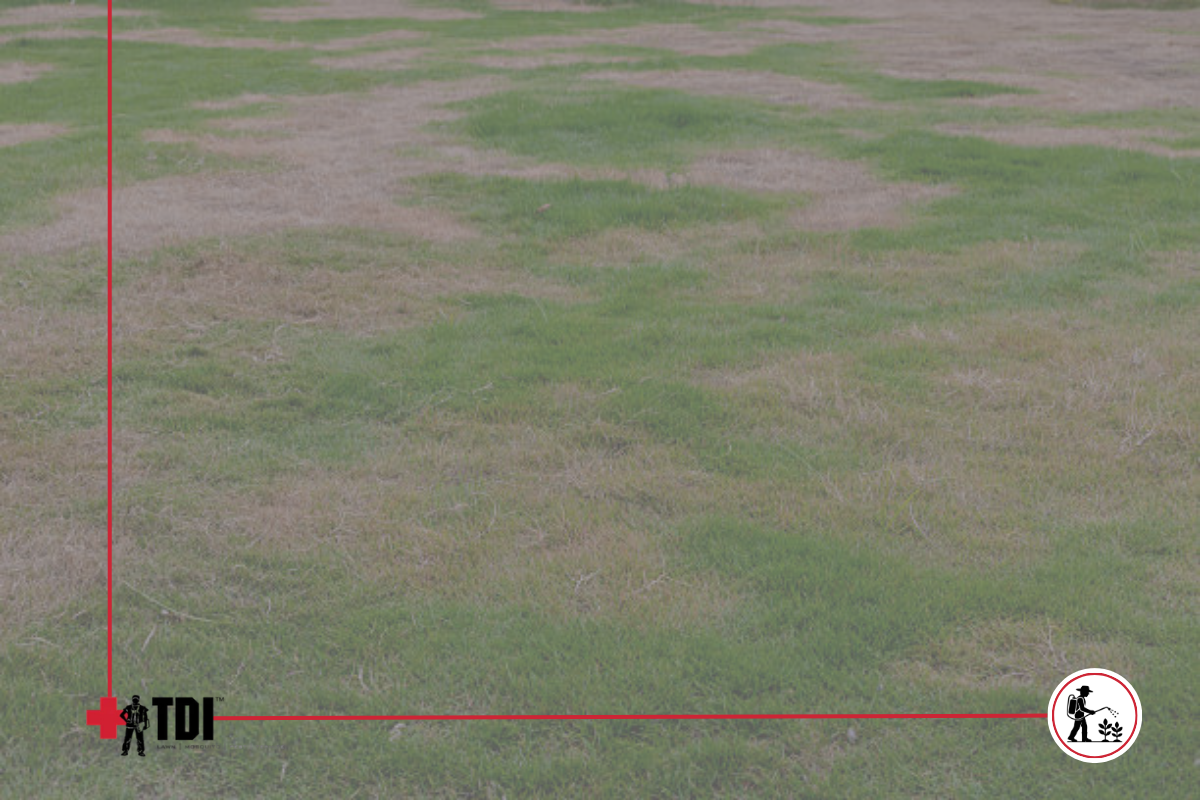
Zoysia grass creates a dense, carpet-like lawn that offers excellent weed resistance. However, it grows more slowly than Bermuda and can become stressed if over-fertilized or cut too short.


Best practices for Zoysia grass include:


 • Maintaining proper mowing height
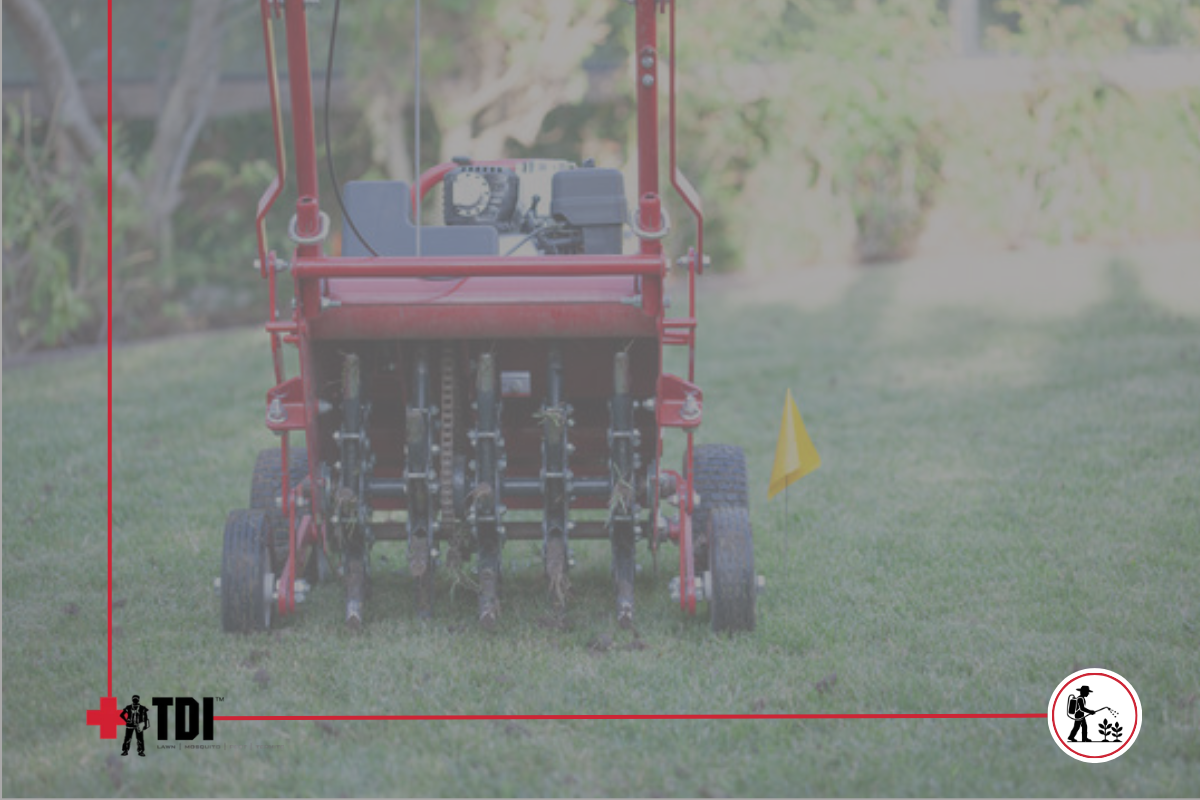
• Aerating compacted soil when necessary
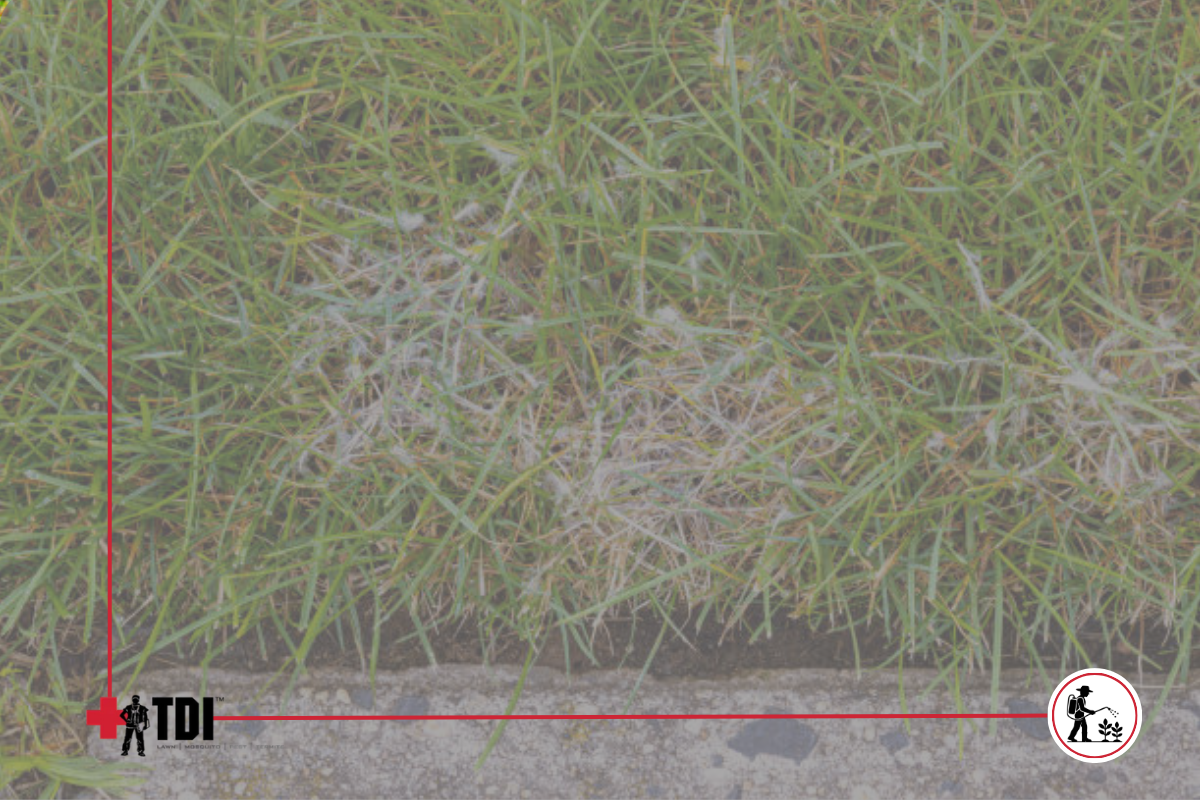
• Monitoring for fungal disease during humid weather


Zoysia lawns benefit greatly from soil-focused lawn care programs and biological lawn treatments.

Learn more about biological lawn solutions here.


Why Lawn Treatment Timing Matters

One of the biggest lawn care mistakes DIY homeowners make is applying treatments at the wrong time. Fertilization, weed control, insect prevention, and aeration all depend on grass type and seasonal timing.


For example:


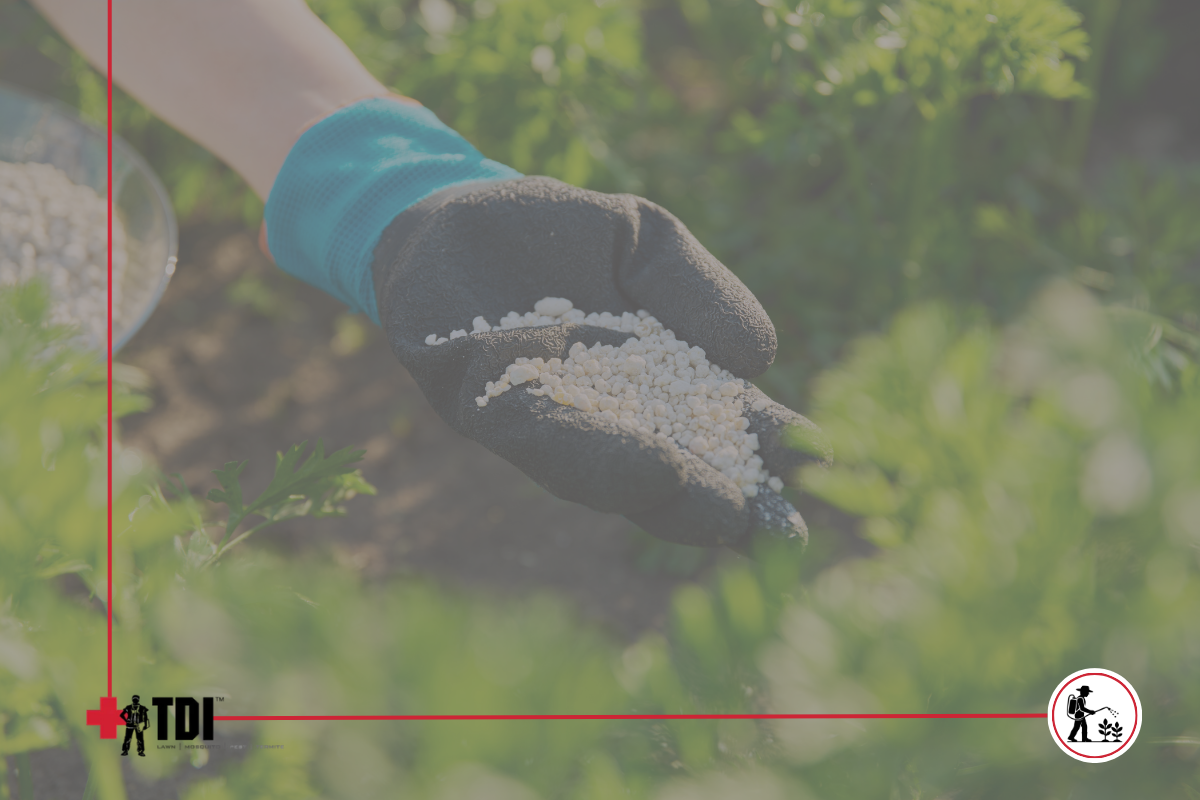
 • Bermuda grass responds best to fertilization during active summer growth
• Zoysia lawns may require slower, more controlled nutrient release programs


The Alabama Cooperative Extension System
provides research-backed guidance on proper turfgrass management for Southern lawns.


Lawn Insects and Pest Control for Bermuda and Zoysia Grass

Warm-season grasses like Bermuda and Zoysia can face pest pressure during Alabama’s hot, humid growing season.


Common lawn pests in Alabama include:


 • White grubs
• Armyworms
• Chinch bugs
• Fire ants
• Fleas and ticks


Warm-season grasses like Bermuda and Zoysia often attract grubs during summer months, while shaded lawns may experience increased fungal and insect activity.


Professional pest monitoring and preventative treatments help reduce damage before major problems develop.

Learn more about pest control services here.


The Importance of Soil Health

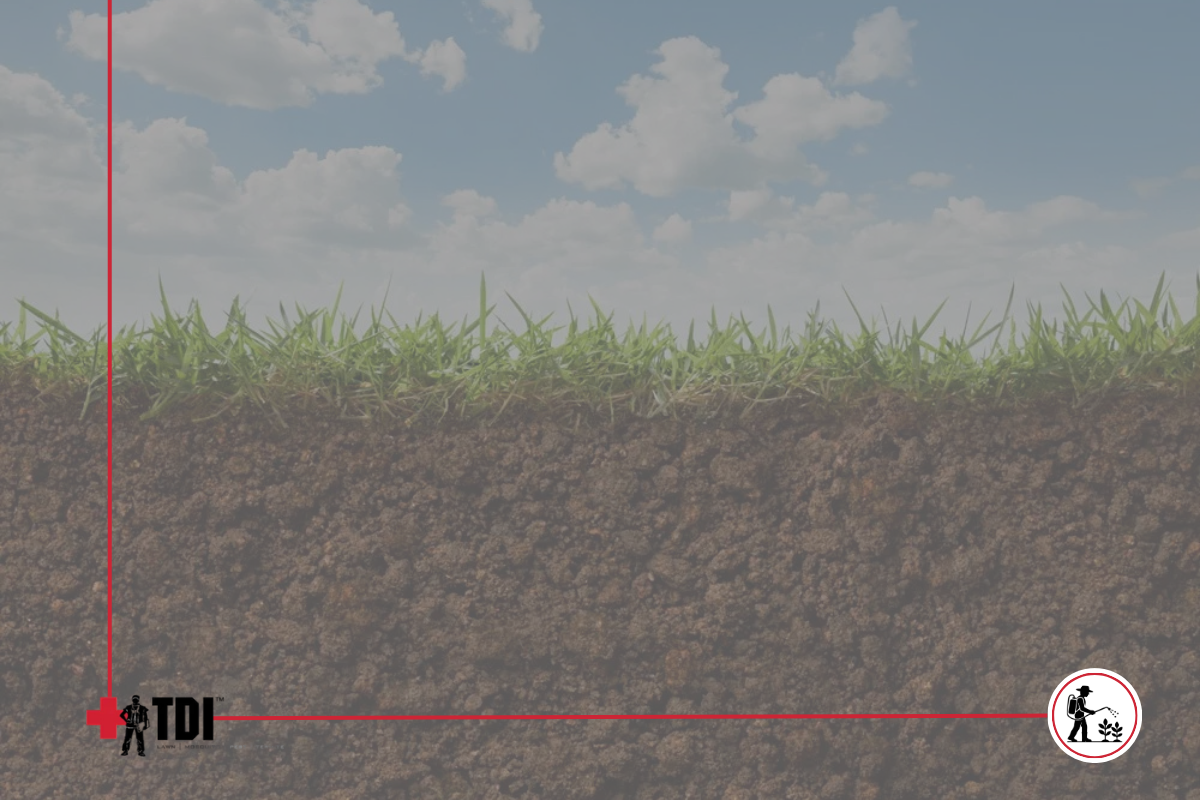
Healthy lawns begin below the surface.


Soil quality impacts:


 • Root development
• Water retention
• Nutrient absorption
• Disease resistance
• Turf density


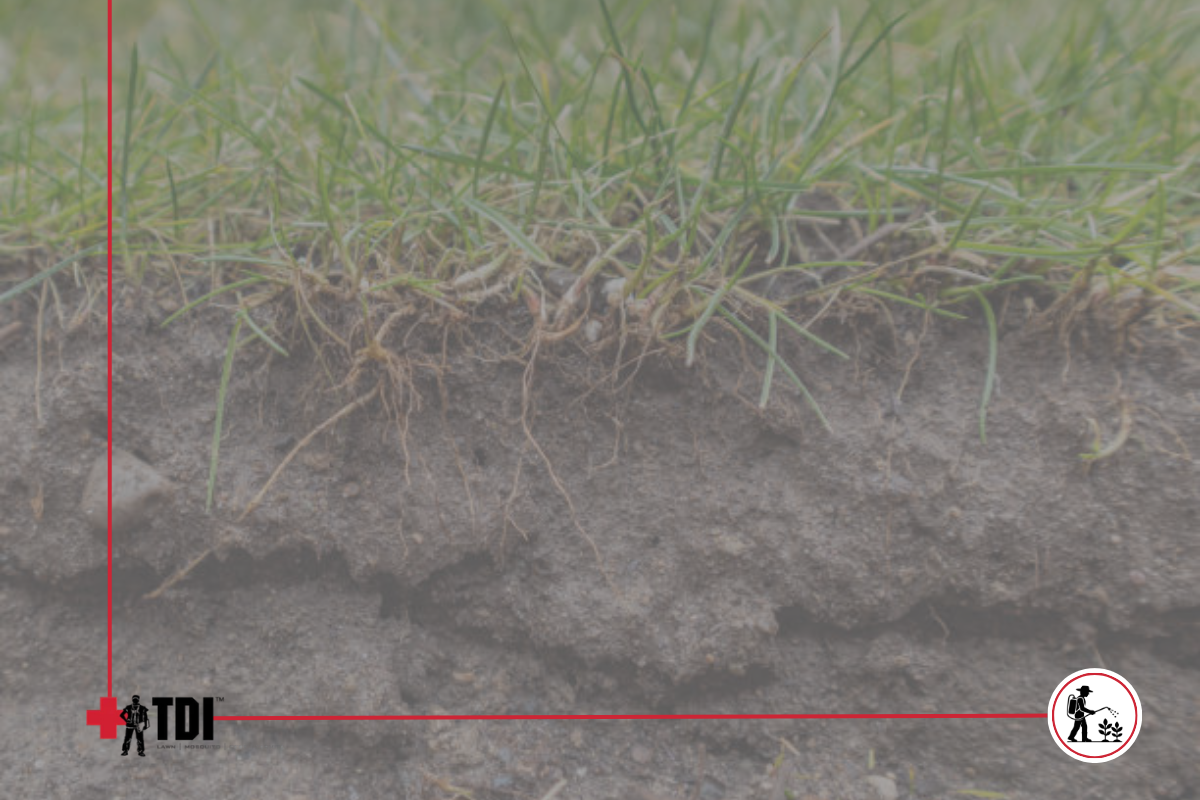
Compacted soil can prevent oxygen, water, and nutrients from reaching the root zone, regardless of grass type.

Services such as aeration and biological soil treatments help improve overall lawn performance and long-term turf health.


Why Professional Lawn Care Makes a Difference

Every lawn is different. The correct treatment plan depends on your grass type, soil conditions, sunlight exposure, drainage, and seasonal stress levels.


At TDI Services, we create customized lawn care programs for homeowners across Birmingham and surrounding Alabama communities.


 Our team understands how to properly treat Bermuda grass, Zoysia grass, and warm-season turf using science-based lawn care practices designed for Southern conditions.


Schedule Your Lawn Evaluation


If your lawn is struggling with weeds, thinning turf, discoloration, or insect activity, TDI Services can help identify the problem and build a treatment plan tailored to your grass type.

Contact Our Team Today

To schedule a lawn evaluation and learn more about our lawn care and pest control programs.

By Chris Gregory June 8, 2026
Learn how to identify, prevent, and treat Dollar Spot fungus in Birmingham lawns. Discover signs, causes, and lawn care solutions for Bermuda and Zoysia grass.
TDI Services lawn fertilization treatment application for Birmingham, Alabama lawn care using profes
By Chris Gregory May 26, 2026
Learn how biological fertilizers improve soil health, strengthen turf roots, and build resilient Birmingham lawns. Discover the science behind TDI’s biological lawn care.
By Chris Gregory April 30, 2026
Discover 3 deceiving lawn problems that look harmless but can damage turf. Learn how Birmingham lawn care experts identify weeds, insects, and soil issues early.
By Chris Gregory April 23, 2026
Birmingham lawns struggle with clay soil, compaction, and nutrient loss. Learn how aeration, fertilization, and professional lawn care improve turf health.
By Chris Gregory March 17, 2026
If your lawn feels hard underfoot, struggles with thinning grass, or never seems to respond to fertilizer, soil compaction may be the problem. In Birmingham and surrounding areas, clay-heavy soil makes lawn aeration one of the most important spring lawn care services. April is typically when warm-season grasses in Alabama begin actively growing, making Spring and Summer an ideal time for core aeration. At TDI Services, aeration is part of a science-based lawn care strategy built specifically for Central Alabama turf conditions. What Is Core Aeration Core aeration is the process of removing small plugs of soil from your lawn. These small holes: Reduce soil compaction Allow air to reach the root zone Improve water absorption Increase nutrient penetration Encourage deeper root growth Unlike spike aeration, which simply pokes holes, core aeration physically removes a plug of soil to create space for roots to expand. Why Birmingham Lawns Need Aeration Alabama soil often contains a high percentage of clay. Clay soil compacts easily, especially with: Foot traffic Lawn equipment Heavy rainfall Construction activity Compacted soil restricts oxygen flow and prevents roots from growing deeply. According to the Alabama Cooperative Extension System , soil compaction reduces turf vigor and limits nutrient availability. Proper aeration improves soil structure and overall lawn health. Without aeration, even the best fertilization and weed control programs may underperform. When to Aerate in Alabama Timing matters. For warm-season grasses common in Birmingham such as Bermuda and Zoysia, aeration should be done during active growth. Care must be taken not to aerate before the final frost of the season since frost on an aerated lawn can actually damage the root systems. In Central Alabama, we usually begin our aeration service on April 1st and can continue well into August. Many assume that aeration must be done in the spring, but an aeration during the summer can help a summer rain reach root systems that might be bound by the clay soil which is common in the area. If you are unsure whether your lawn is ready, our team can evaluate it as part of our professional lawn care services. Benefits of Core Aeration 1. Stronger Root Systems When soil is loosened, roots grow deeper and thicker. Deeper roots allow lawns to: Withstand drought Tolerate summer heat Recover from stress Compete with weeds Healthy roots are the foundation of healthy turf. 2. Better Fertilizer Efficiency Aeration allows fertilizer and biological treatments to reach the root zone more effectively. At TDI Services, aeration often pairs with our fertilization and biological lawn programs to maximize results. Learn more about our complete lawn care programs. 3. Improved Water Absorption Compacted soil causes water runoff. Aeration improves infiltration, which means: Less pooling Reduced runoff Better moisture distribution Healthier turf during dry periods This is especially important during unpredictable Alabama spring weather. 4. Natural Weed Reduction Thicker turf crowds out invasive weeds such as crabgrass and dallisgrass. Aeration supports turf density, which strengthens your lawn’s natural defense system. Combined with professional weed control, aeration builds long-term lawn resilience. Explore our biological solutions for weed control and turf management. Signs Your Lawn Needs Aeration You may benefit from core aeration if: Water puddles after rain Grass feels spongy or overly hard Turf appears thin despite fertilization You have heavy clay soil Your lawn receives heavy foot traffic Most Birmingham lawns benefit from aeration once per year. Professional Core Aeration vs DIY Rental Equipment Home improvement stores rent aerators, but improper use can cause: Uneven plug depth Missed sections Turf tearing Compaction from machine weight Professional aeration includes: Proper timing Calibrated equipment Strategic pattern coverage Integration with seasonal fertilization Aeration is most effective when part of a structured lawn health program rather than a standalone service. Core Aeration in Birmingham and surrounding areas Because of clay-heavy soil conditions, aeration is one of the most valuable spring lawn services in the Greater Birmingham area. April is typically when we begin scheduling aeration for active warm-season turf. If you want stronger roots, thicker grass, and better summer performance, aeration is one of the smartest steps you can take. Professional Lawn Aeration in Birmingham, AL Core aeration improves soil structure, strengthens roots, and enhances the effectiveness of your entire lawn care program. If your lawn struggles with compaction or thinning turf, it may be time for a professional evaluation. TDI Services provides science-based lawn aeration, fertilization, and weed control tailored specifically to Alabama turf conditions. Contact us today to schedule your lawn evaluation.
By Chris Gregory March 17, 2026
Learn how to identify and control common lawn weeds in Birmingham, AL including crabgrass, poa annua, dallisgrass, and more. Professional weed control tips from TDI Services.
By Chris Gregory March 17, 2026
Seeing Asian lady beetles in your Birmingham home? Learn why they invade, how to prevent them, and when to call TDI Services for pest control.
By Chris Gregory March 2, 2026
Many homeowners think fertilization is just about making grass look greener. In reality, lawn fertilization is one of the most important steps in building strong, healthy turf that can resist weeds, drought, and seasonal stress. If you understand when and why to fertilize, your lawn doesn’t just survive, it thrives. At TDI Services, we design fertilization programs specifically for Alabama turf and Birmingham soil conditions. Timing and formulation matter, and proper fertilization impacts your lawn months before you see visible results. Learn more about TDI’s services and how tailored fertilization fits into our complete lawn care strategy at the TDI Lawn Services Page . Why Lawn Fertilization Matters Fertilization feeds your grass the nutrients it cannot always pull naturally from the soil. Over time, nutrients become depleted from mowing, rainfall, and seasonal stress. The three main nutrients in lawn fertilizer are: Nitrogen – promotes green growth and density Phosphorus – strengthens root development Potassium – improves stress tolerance and disease resistance When turf receives balanced nutrition, it grows thicker and stronger. Thick turf naturally crowds out weeds and reduces bare patches. According to the Alabama Cooperative Extension System , proper fertilization timing is critical for warm-season grasses common in Alabama lawns, helping roots develop strength before seasonal stress arrives. Healthy lawns don’t just look better, they defend themselves better. When Should You Fertilize Your Lawn in Alabama? Timing is everything in fertilization. Alabama lawns require seasonal feeding aligned with growth cycles. For warm-season grasses common in Birmingham: Early Spring This application wakes turf up after dormancy and prepares it for active growth. Late Spring / Early Summer Supports rapid growth and strengthens root systems before heat stress. Late Summer Helps turf recover from drought and heavy foot traffic. Fall Builds nutrient reserves that protect grass during dormancy and improve spring green-up. Skipping fertilization windows weakens turf and invites weeds to move in. How Fertilization Helps Prevent Weeds Most homeowners focus on weed control, but fertilization is part of weed prevention. Weak turf creates open space. Weeds take advantage of thin lawns. Well-fed grass grows thick enough to block sunlight from reaching weed seeds. This natural barrier reduces weed pressure and enhances the effectiveness of pre-emergent and post-emergent treatments. Fertilization and weed control are not separate strategies, they work together. The Risk of Over-Fertilizing More fertilizer is not better. Over-application can burn turf, damage roots, and create excessive top growth that stresses the lawn. Poor timing can also force growth during heat or dormancy when grass cannot sustain it. Professional fertilization programs balance nutrients and application timing to match turf biology. That’s why calibrated equipment and turf expertise matter. Professional Fertilization vs DIY Lawn Care Store-bought fertilizer is often a one-size-fits-all product. Alabama soil conditions vary, and improper application leads to wasted money or turf damage. Professional lawn fertilization includes: Soil-aware nutrient selection Seasonal timing strategy Calibrated application Integration with weed control Turf monitoring and adjustments At TDI Services, fertilization is part of a year-round turf health plan, not a single application. Our team combines local turf expertise with professional lawn care execution, meet the TDI lawn experts and learn about our approach on the About Us Page . Strong Turf Starts Below the Surface Healthy lawns are built from the roots up. Fertilization strengthens root systems, improves soil activity, and increases turf resilience long before homeowners see surface results. Spring success begins with decisions made months earlier. If your lawn struggles with thinning, weeds, or stress damage, fertilization timing is often the missing piece. Lawn Fertilization for the Greater Birmingham area Central Alabama turf faces heat, humidity, clay-heavy soil, and seasonal weed pressure. Local knowledge matters. TDI Services provides professional lawn fertilization in and around the greater Birmingham area that is tailored to regional turf types. Our programs are built around growth cycles, not guesswork. A healthier lawn isn’t luck, it’s strategy.  Learn more about our year-round lawn programs
By Chris Gregory March 2, 2026
Learn how pre-emergent treatments and winter lawn care protect Central Alabama grass. Expert tips from TDI Services for the Birmingham area.
Healthy residential lawn in Birmingham AL maintained with professional lawn care and soil-focused tu
By Chris Gregory March 2, 2026
Discover why professional lawn care and outdoor protection matter for Birmingham homes. Safer solutions, healthier lawns, by TDI Services.