Why Your Bermuda or Zoysia Lawn Looks Stressed After Summer
Why Your Bermuda or Zoysia Lawn Looks Stressed After Summer
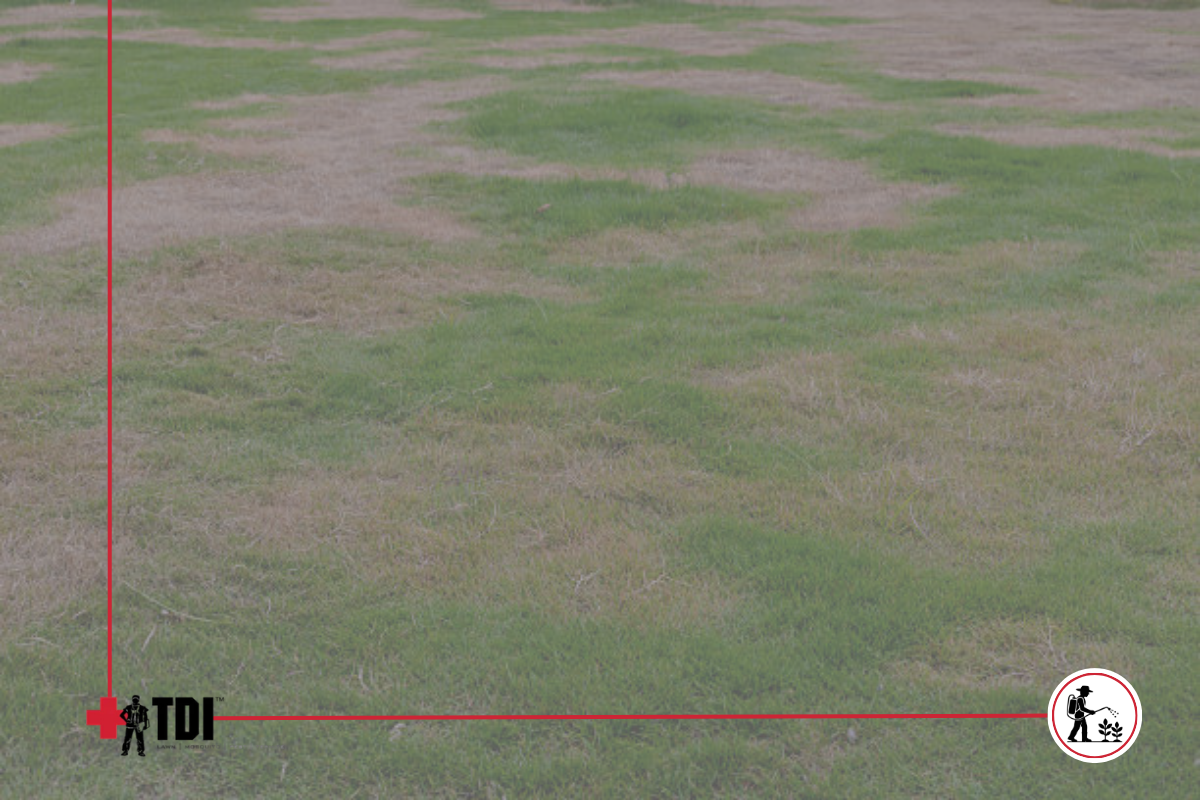
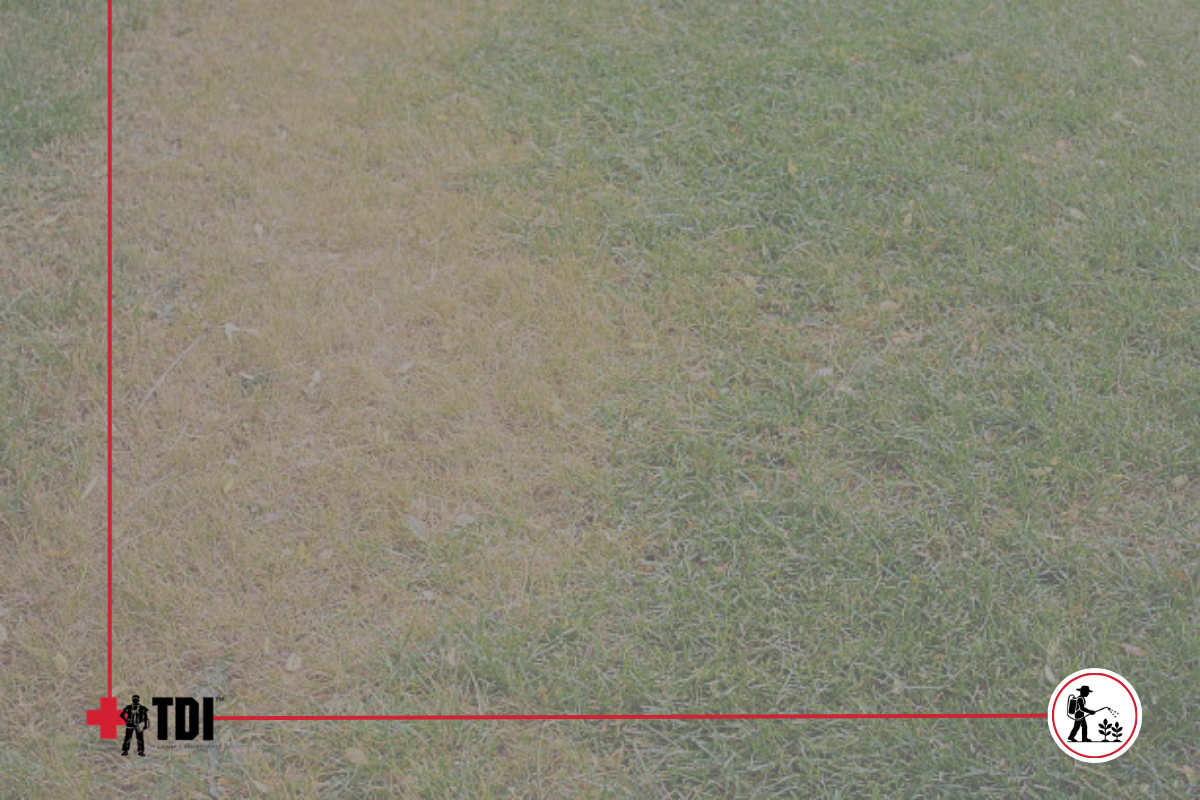
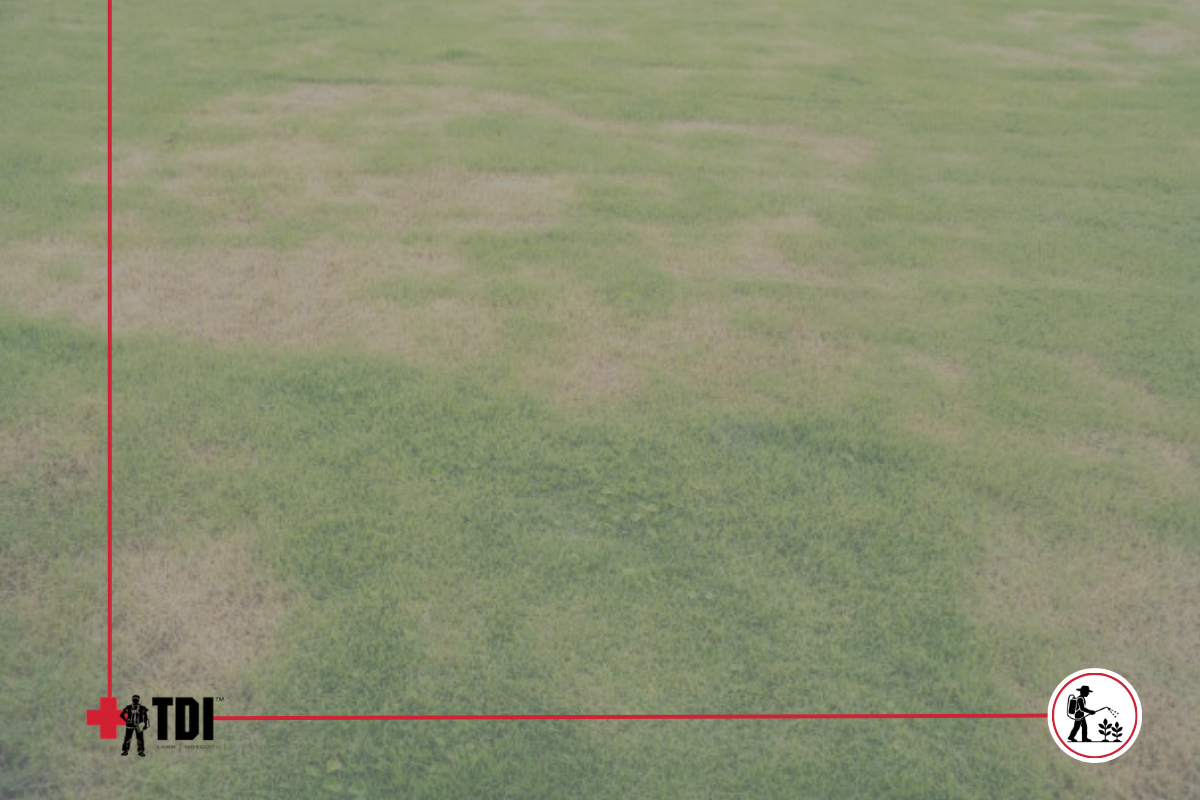
Alabama summers can be tough on even healthy Bermuda and Zoysia lawns. By late summer, Birmingham homeowners may begin noticing brown patches, thinning turf, discoloration, or areas that simply aren’t bouncing back.
The challenge is that heat and drought aren’t always to blame. Insects, disease, weeds, soil conditions, and improper watering can create many of the same symptoms.
That’s why the first step is determining what is actually stressing your lawn. At TDI Services, we help Birmingham homeowners identify lawn concerns and recommend a treatment approach based on the needs of their property.
Why Alabama Summers Stress Your Lawn
Bermuda and Zoysia are well suited to Alabama’s warm climate, but prolonged heat and other summer conditions can still put turf under stress.
By late summer, lawns may have experienced:
- Prolonged heat
- Drought or inconsistent rainfall
- Heavy rainfall and humidity
- Foot traffic
- Increased insect activity
- Fungal disease
- Weed competition
- Soil compaction
Common signs of summer lawn stress include:
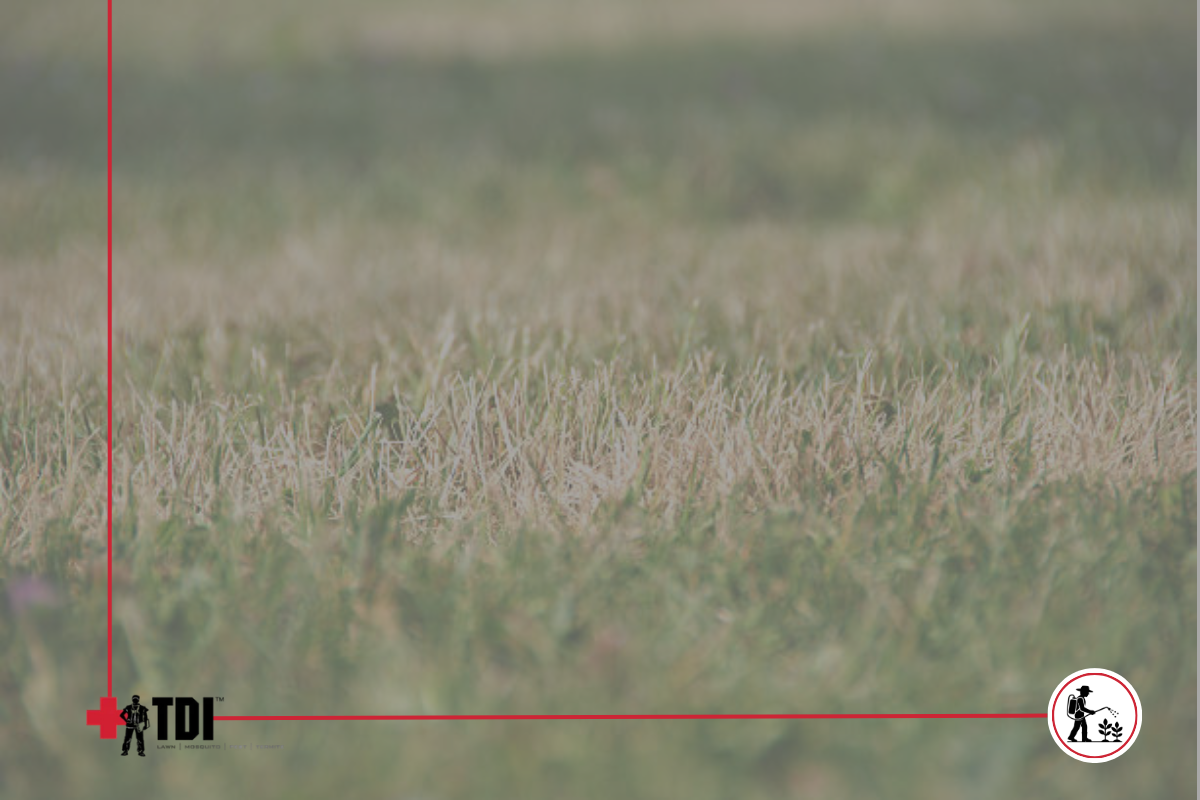
- Brown or yellow patches
- Thin turf
- Slow growth
- Bare areas
- Increased weeds
- Grass that doesn't bounce back after being walked on
Because many lawn problems look alike, the appearance of your grass alone may not tell you exactly what is wrong.
Don't Assume Brown Grass Needs More Water
One of the most common mistakes homeowners make is assuming brown or yellow grass automatically needs more water.
Sometimes drought is the issue, but insects, disease, poor drainage, compacted soil, and other stresses can create similar symptoms.
Adding more water without understanding the cause may not solve the problem and, in some cases, can make conditions worse.
Before changing your watering schedule or applying fertilizer, take a closer look at what is happening across the lawn.
Water Properly, But Don't Overdo It
If lack of water is the problem, deep, less frequent watering is generally more beneficial than frequent, shallow watering.
At the same time, avoid keeping the soil excessively wet, as too much moisture or poor drainage can contribute to conditions that favor certain lawn diseases.
The Alabama Cooperative Extension System (ACES) recommends adjusting irrigation and other lawn-care practices based on turf type and current growing conditions.
The goal is to provide appropriate moisture without keeping the soil constantly saturated.
If your lawn continues to decline despite appropriate watering, drought may not be the underlying problem.
Check for Disease and Insect Damage
Late-summer heat and humidity can contribute to lawn disease and increased insect activity.
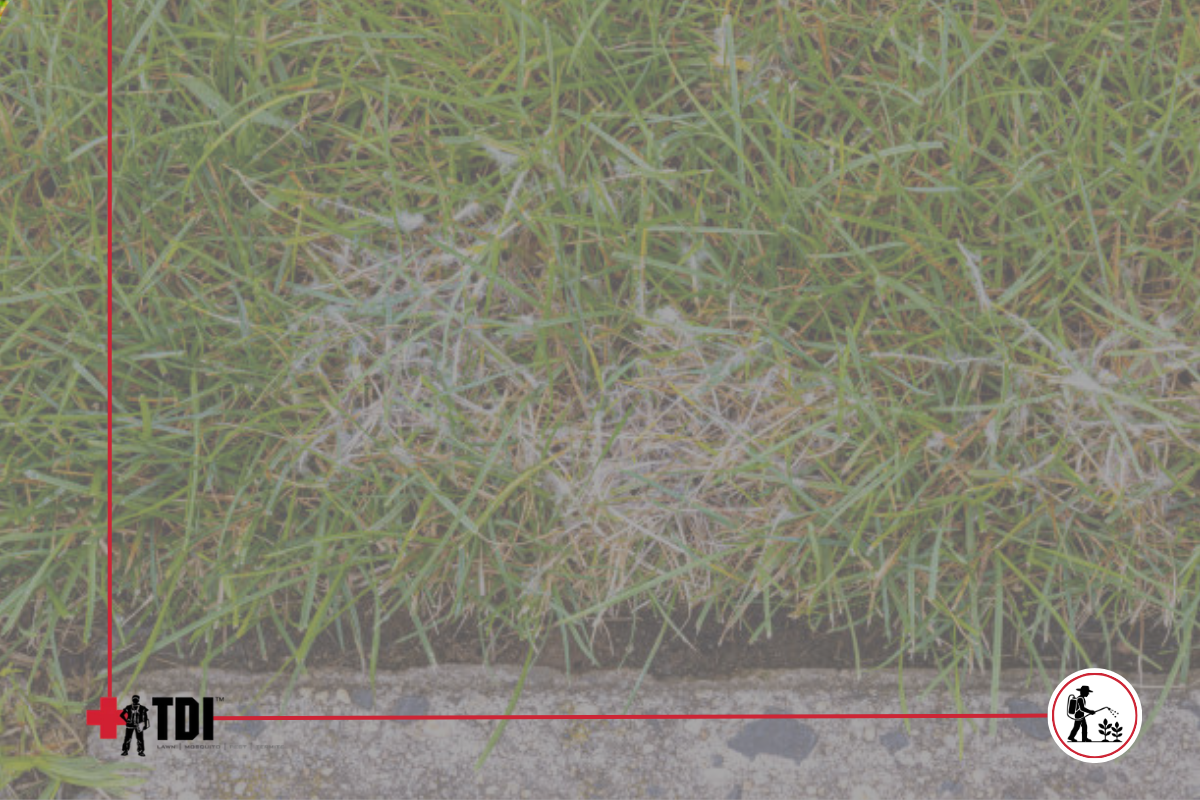
Warm temperatures and humidity can contribute to fungal problems, while insects such as white grubs, chinch bugs, and armyworms can damage turf above or below the soil.
Not sure what chinch bug damage looks like? Watch our video on identifying Chinch Bugs.
These problems can look similar to heat or drought stress.
Look for signs such as:
- Spreading brown patches
- Circular areas of discoloration
- Thin or weakening turf
- Grass that pulls up easily
If damaged areas continue to spread, identifying the cause can help determine the right next step.
Don't Overlook What's Happening in the Soil
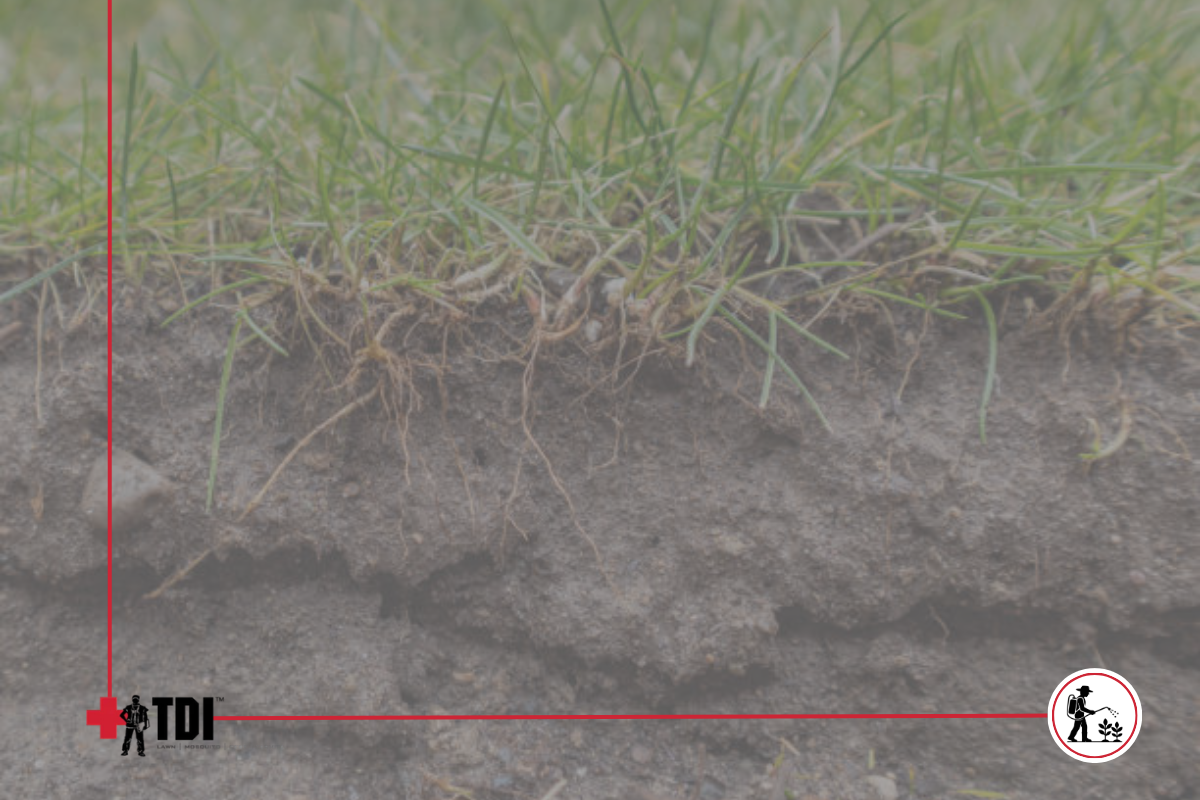
Healthy turf starts below the surface. Compacted or unhealthy soil can make it harder for roots to access the air, water, and nutrients they need.
That can leave Bermuda and Zoysia thin or stressed even when the lawn is being watered and maintained regularly.
Improving soil conditions can support stronger roots and healthier turf over time.
Could Your Soil Be Holding Your Lawn Back?
If your lawn remains thin or stressed despite regular care, soil conditions may be part of the problem.
Summer Stress Can Give Weeds an Opening
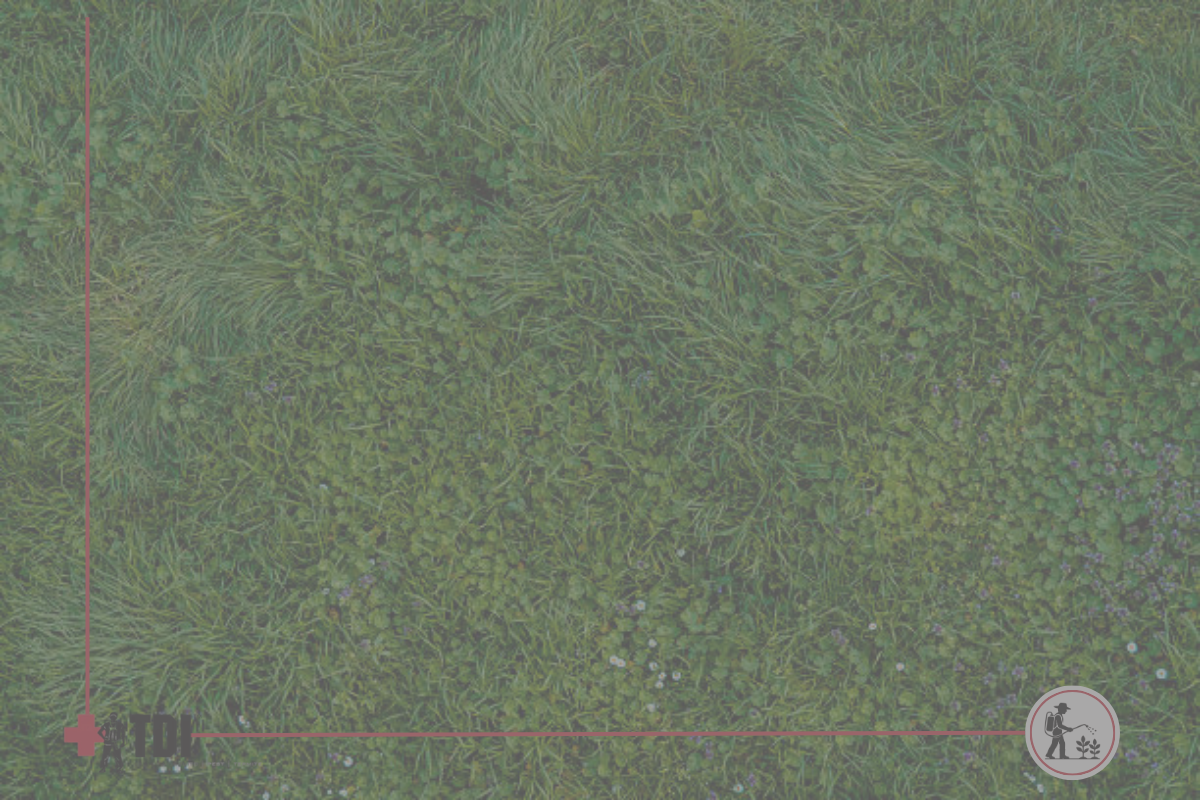
Thin or stressed turf creates openings where weeds can establish.
Healthy Bermuda and Zoysia are better able to compete for space, while damaged areas make it easier for unwanted weeds to move in.
That’s why weed control works best as part of an overall lawn-care strategy rather than as the only focus.
Be Careful With Mowing Stressed Turf
Mowing can either support or add to summer lawn stress.
Cutting grass too short can add stress to a lawn that is already struggling.
As a general rule, avoid removing more than one-third of the grass blade at a time, and consider mowing toward the higher end of the recommended range when turf is under heat or drought stress.
Bermuda and Zoysia have different growth habits, so mowing practices should be adjusted for the specific turf.
Pay Attention to Problems That Aren't Improving
As summer winds down, pay attention to areas of Bermuda or Zoysia that continue to look thin, brown, or unhealthy.
Persistent problems may be a sign that something more than seasonal heat is affecting the lawn.
Keep an eye on:
- Monitor moisture and drainage
- Watch for spreading brown or yellow areas
- Check for insect activity
- Address weed pressure
- Avoid mowing stressed turf too short
- Pay attention to areas that continue to thin or decline
Still Not Sure What's Causing the Damage?
If your Bermuda or Zoysia continues to look stressed, our team can help assess the lawn and determine what may be contributing to the problem.
Frequently Asked Questions
Should I water brown grass more?
Not necessarily. Brown grass can be caused by drought, but insects, disease, drainage issues, soil conditions, and other stresses can look similar. Identify the likely cause before significantly increasing irrigation.
Why is my Bermuda or Zoysia turning yellow?
Yellowing can be caused by heat stress, drought, disease, insects, nutrient issues, or soil conditions. If discoloration continues, it may be time to have the lawn assessed to determine what could be contributing to the problem.
What should I do if my lawn isn't bouncing back after summer?
Start by determining what is causing the stress. Appropriate watering and mowing, along with management of weeds, insects, disease, and soil conditions when needed, can all play a role in supporting healthier turf.
When should I call a lawn care professional?
If brown or yellow areas continue spreading, the turf remains thin despite proper maintenance, or you cannot tell whether insects, disease, moisture, or soil conditions are responsible, it may be time to call a lawn care professional.
Don't Let a Lawn Problem Carry Into the Next Season
If your Bermuda or Zoysia lawn still looks thin, brown, or discolored after a long Alabama summer, don't assume heat is the only cause.
The right next step depends on understanding what is actually affecting the turf.
TDI Services’ Annual Warm Season Turf Program is designed specifically for Bermuda and Zoysia lawns in the Birmingham area, with treatments tailored to each lawn’s needs.