Late-Summer Lawn Stress in Birmingham: Heat, Weeds, Disease, or Insects?

Chris Gregory • September 8, 2026

Late-Summer Lawn Stress in Birmingham: Heat, Weeds, Disease, or Insects?

Late summer is one of the toughest times of the year for lawns across Birmingham. After months of extreme heat, periods of drought, heavy rainfall, and constant humidity, even healthy Bermuda and Zoysia grass can begin showing signs of stress.


Brown patches, thinning grass, weeds, and insect damage often appear around the same time, making it difficult for homeowners to know what's actually causing the problem.

The challenge is that many lawn issues look nearly identical. Applying the wrong treatment can waste time, money, and even make the problem worse.


At TDI Services, we help homeowners identify what's really affecting their lawns so they can take the right steps toward recovery.


Why Late Summer Is So Hard on Alabama Lawns

Warm-season grasses thrive during Alabama summers, but they also face months of environmental stress.


By late August and early September, lawns have often endured:

  • Weeks of high temperatures
  • Inconsistent rainfall
  • Heavy foot traffic
  • Increased insect activity
  • Ideal conditions for fungal diseases


When multiple stressors occur at once, your lawn begins showing visible signs that something isn't right.

Common symptoms include:

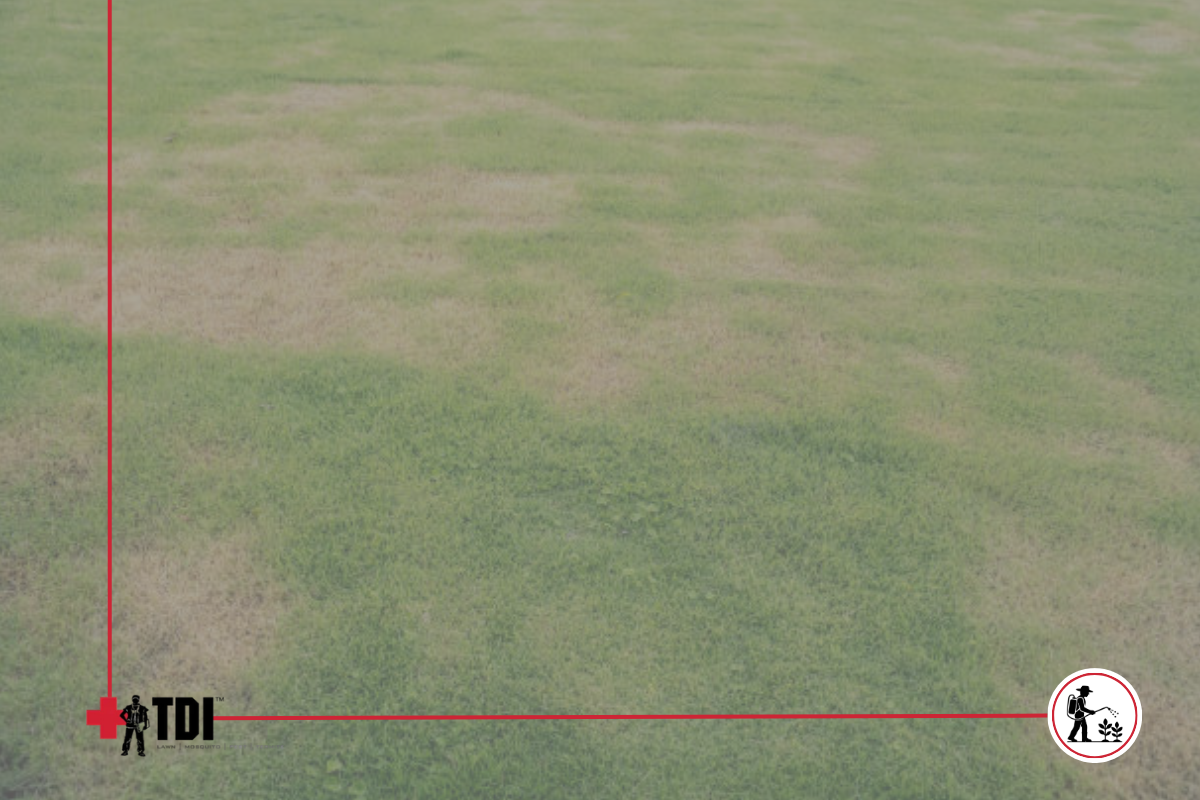
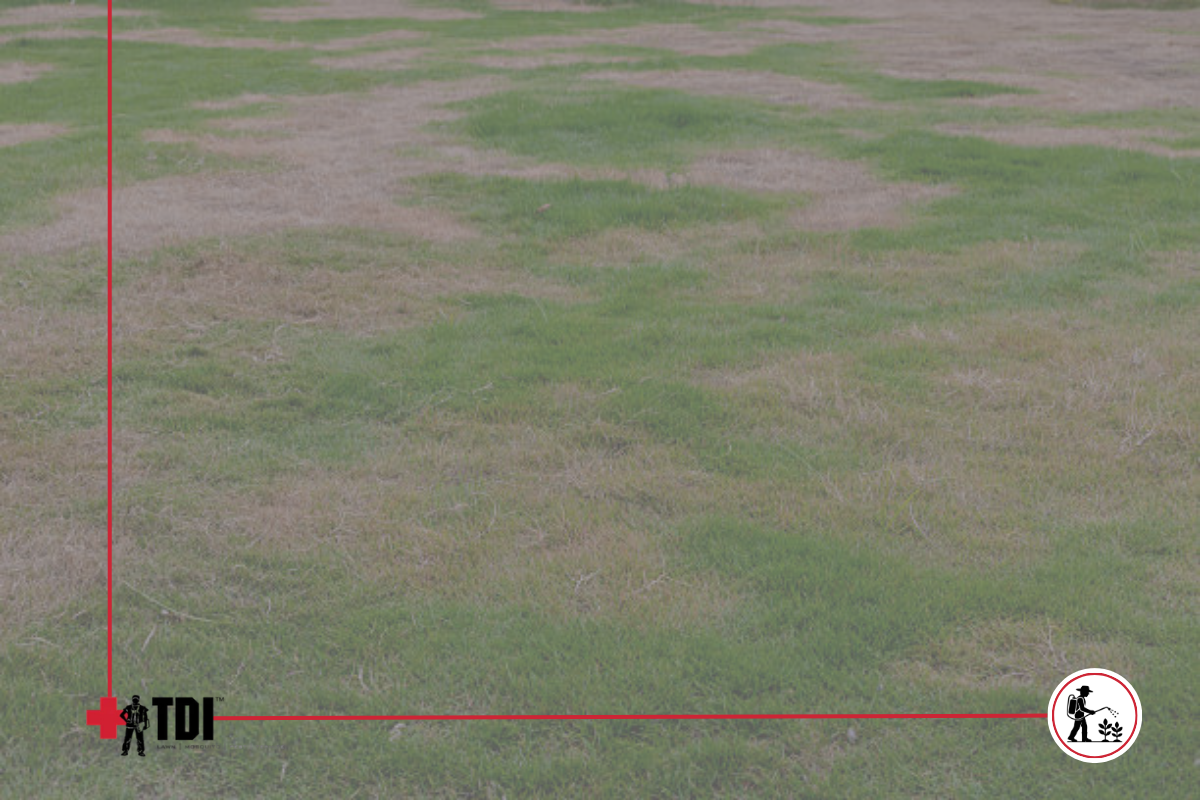
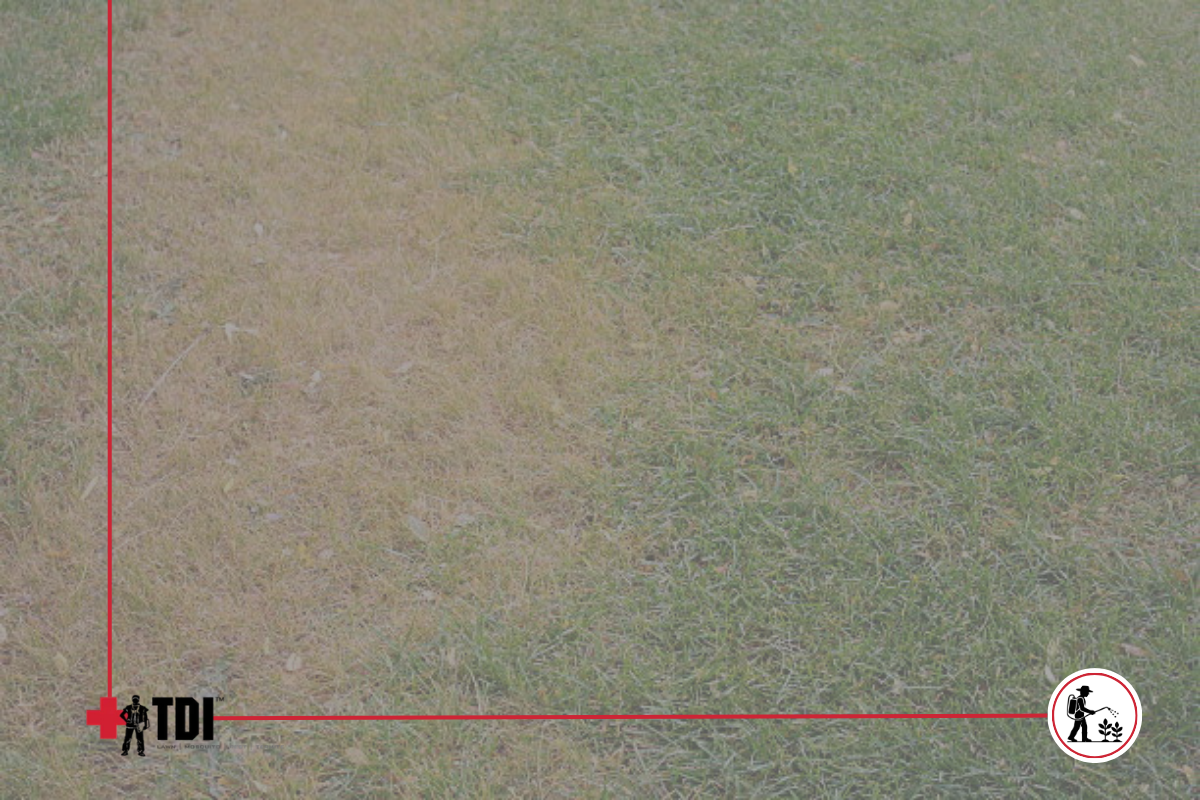
  • Brown or yellow patches
  • Thin or weak turf
  • Slow growth
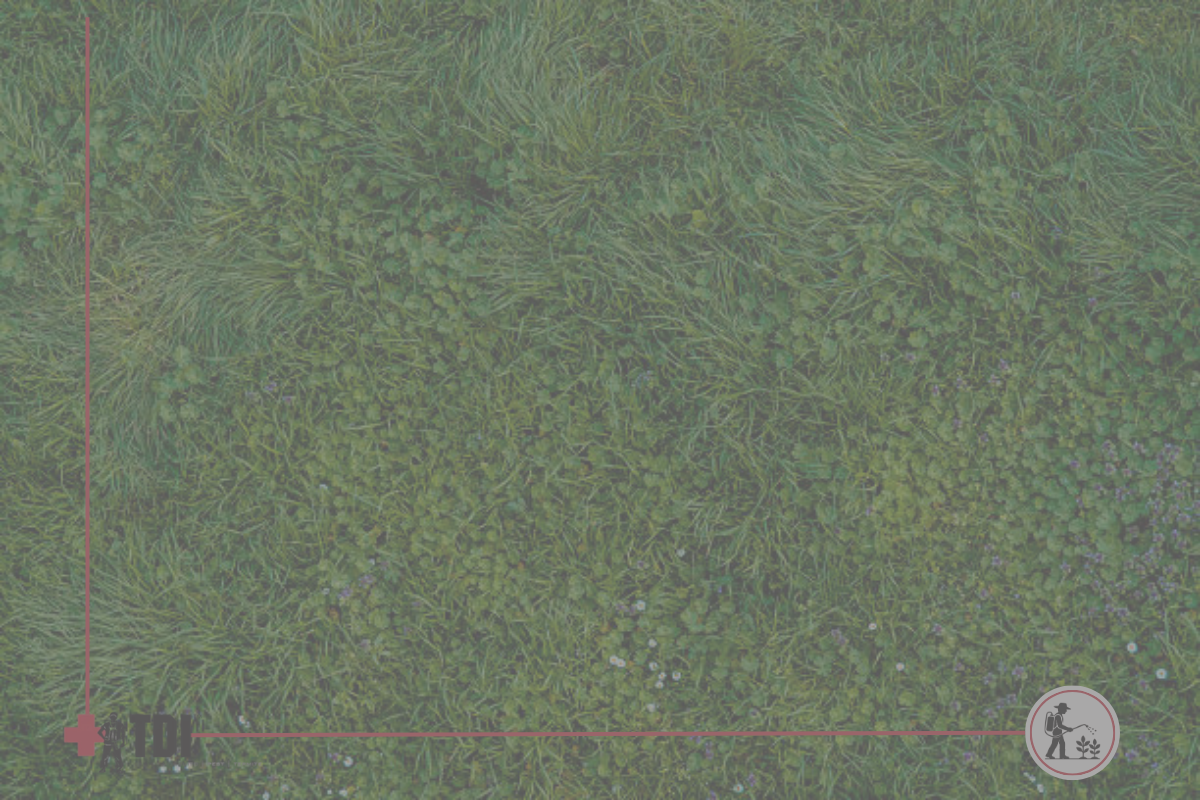
  • Weeds appearing in bare areas
  • Grass pulling up easily


Understanding what's causing those symptoms is the first step toward restoring your lawn.


Not Every Brown Lawn Has the Same Problem

Brown grass can be caused by several different issues, and treating the wrong one often delays recovery.


Your Lawn Is Telling You Something.


Heat, disease, insects, and soil problems can all create similar symptoms. Let our team determine what's really causing the damage.


Learn About Our Lawn Care Program

Heat Stress

One of the most common causes of late-summer lawn decline is prolonged heat.


Even properly watered lawns can struggle when temperatures remain high for extended periods.


Heat stress often causes:

  • Grass blades to curl
  • Dull green or brown coloring
  • Slower growth
  • Thin turf


Fortunately, many heat-stressed lawns recover once temperatures begin cooling.


Weed Pressure Increases When Turf Weakens

Healthy turf naturally crowds out weeds.


But when grass becomes stressed from heat or drought, bare areas develop that allow weeds to establish themselves.


Common late-season weeds can quickly spread if turf isn't healthy enough to compete.


Rather than treating only the weeds, improving overall lawn health often provides longer-lasting results.


Lawn Disease Can Spread Quickly

Warm temperatures combined with humidity create ideal conditions for fungal diseases.


Some of the most common diseases seen in Birmingham include:

  • Brown Patch
  • Dollar Spot
  • Leaf Spot


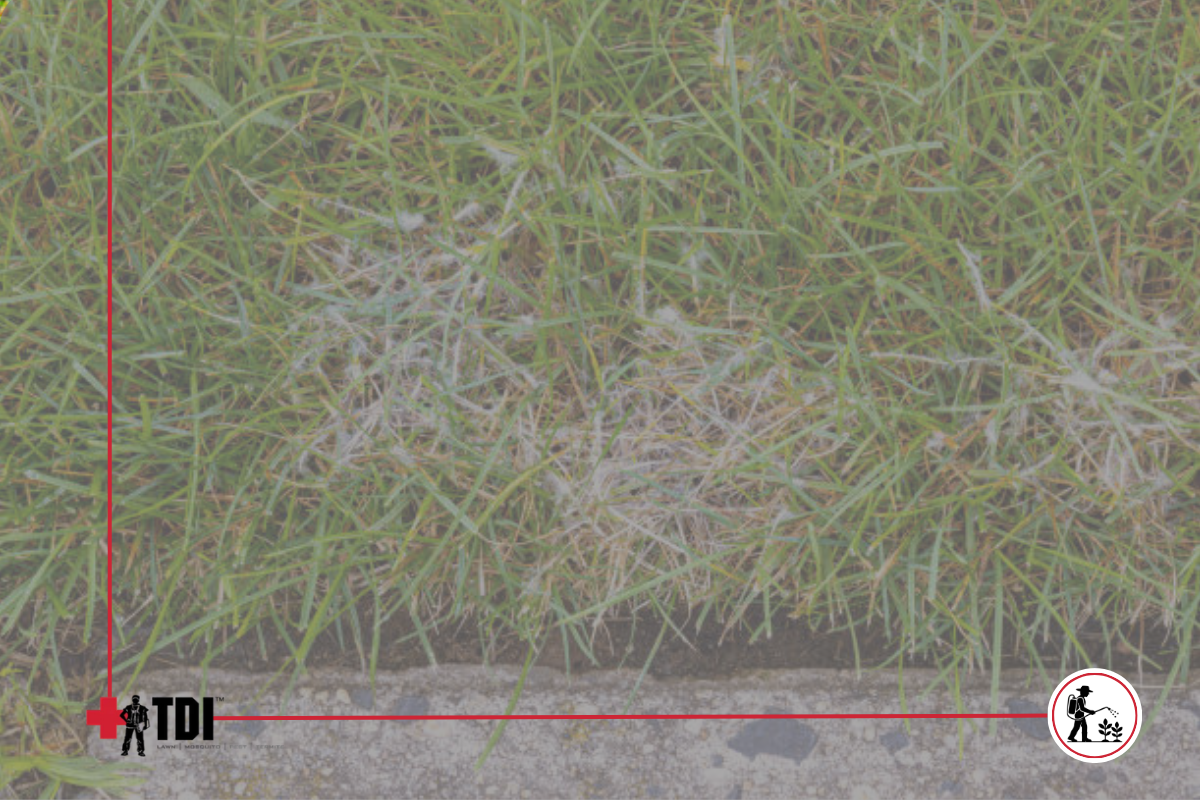
Many fungal diseases begin as small discolored areas before expanding across the lawn.


According to the Alabama Cooperative Extension System, proper identification is critical because lawn diseases often resemble drought or insect damage, yet require entirely different management strategies.


Healthy Soil Creates Healthier Turf

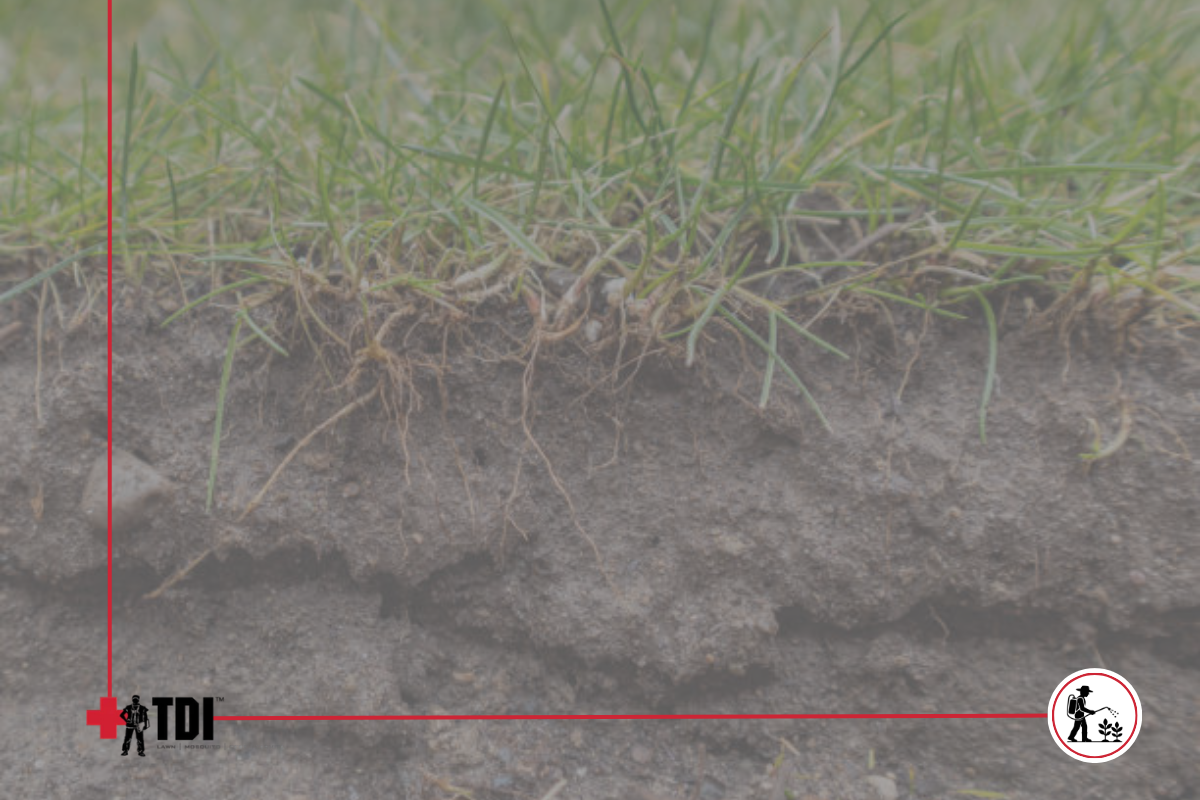
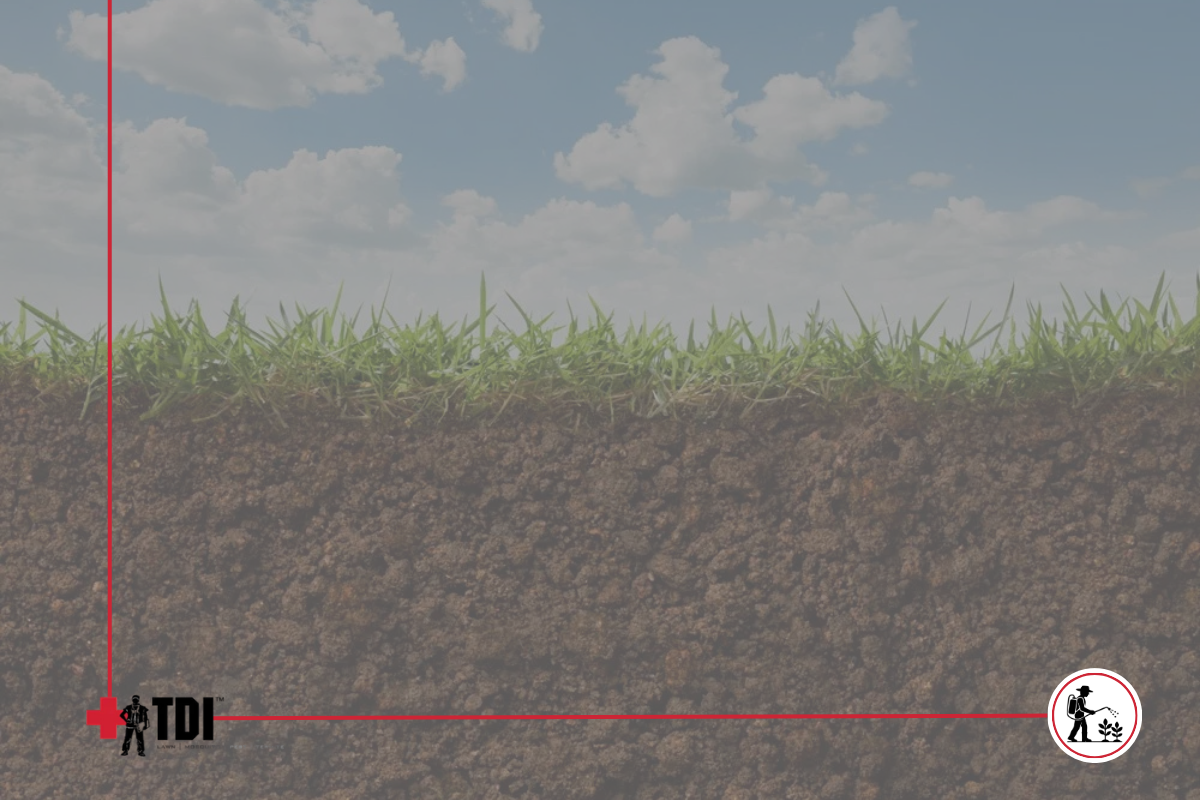
Strong lawns start below the surface. Healthy soil helps grass tolerate heat, recover from stress, and develop deeper root systems.


Learn how biological lawn treatments can improve soil health and strengthen your lawn year-round.


Explore Our Biological Lawn Solutions

Insects Can Cause Damage You Never See

Not all lawn pests feed above ground.


Some insects attack the root system while others feed directly on grass blades.

Late summer commonly brings increased activity from:

  • White grubs
  • Armyworms
  • Chinch bugs


Because insect damage often resembles drought stress, many homeowners continue watering while the real problem worsens beneath the surface.


Stop Guessing What's Wrong

It's tempting to immediately add fertilizer or increase watering when grass starts turning brown.


Unfortunately, those aren't always the right solutions.


A lawn affected by disease needs a different approach than one suffering from insects or compacted soil.

Correct diagnosis is the fastest path to recovery.


Unsure What's Causing Your Lawn Problems?

Our technicians evaluate grass type, soil conditions, moisture levels, insect activity, and disease pressure to determine exactly what's affecting your lawn.


Schedule a Lawn Evaluation

Frequently Asked Questions

Why does my lawn look worse in late summer?

Months of heat, humidity, rainfall, insects, and heavy use place significant stress on warm-season grasses, making late summer one of the most challenging times of the year.


Can weeds be a sign my lawn is unhealthy?

Yes. Weeds often invade areas where turf has weakened, creating an opportunity for unwanted plants to establish themselves.


How do I know if my lawn has a disease?

Lawn diseases often create circular brown patches, thinning grass, or irregular discoloration. Because these symptoms resemble other lawn problems, professional diagnosis is often recommended.


Can my lawn recover before fall?

In many cases, yes. Addressing the underlying cause early gives warm-season grasses a better chance to recover before dormancy.


Learn More About Caring for Alabama Lawns

Looking for more expert lawn care tips? Visit our FAQ page for answers to common questions about lawn care, pest control, and seasonal turf maintenance.


Read Our Lawn Care FAQs

Help Your Lawn Recover Before Fall

Late-summer lawn stress doesn't always have a single cause. Heat, weeds, disease, insects, and soil conditions can all work together to weaken your lawn.


The sooner you identify the problem, the better your chances of restoring healthy turf before cooler weather arrives.


If your lawn isn't looking its best, TDI Services can help determine what's causing the stress and recommend a customized treatment plan for your property.
Schedule Your Free Lawn Evaluation
By Chris Gregory September 8, 2026
Wondering why your lawn is turning brown in late summer? Learn the most common causes of brown grass in Birmingham, including heat stress, drought, insects, disease, and compacted soil.
By Chris Gregory July 30, 2026
Help your Alabama lawn recover after summer with expert fall lawn care tips. Learn how TDI Services improves soil health, controls weeds, and strengthens turf before cooler weather arrives.
By Chris Gregory July 30, 2026
Wondering why your grass is turning yellow? Learn the most common causes, how to identify the problem, and what you can do to restore a healthy green lawn.
Zoysia and Bermuda Grass
By Chris Gregory July 8, 2026
Learn how to care for Bermuda and Zoysia grass in Alabama with expert tips on fertilization, watering, weed control, and pest prevention from TDI Services.
By Chris Gregory June 8, 2026
Learn how to identify, prevent, and treat Dollar Spot fungus in Birmingham lawns. Discover signs, causes, and lawn care solutions for Bermuda and Zoysia grass.
TDI Services lawn fertilization treatment application for Birmingham, Alabama lawn care using profes
By Chris Gregory May 26, 2026
Learn how biological fertilizers improve soil health, strengthen turf roots, and build resilient Birmingham lawns. Discover the science behind TDI’s biological lawn care.
By Chris Gregory April 30, 2026
Discover 3 deceiving lawn problems that look harmless but can damage turf. Learn how Birmingham lawn care experts identify weeds, insects, and soil issues early.
By Chris Gregory April 23, 2026
Birmingham lawns struggle with clay soil, compaction, and nutrient loss. Learn how aeration, fertilization, and professional lawn care improve turf health.
By Chris Gregory March 17, 2026
If your lawn feels hard underfoot, struggles with thinning grass, or never seems to respond to fertilizer, soil compaction may be the problem. In Birmingham and surrounding areas, clay-heavy soil makes lawn aeration one of the most important spring lawn care services. April is typically when warm-season grasses in Alabama begin actively growing, making Spring and Summer an ideal time for core aeration. At TDI Services, aeration is part of a science-based lawn care strategy built specifically for Central Alabama turf conditions. What Is Core Aeration Core aeration is the process of removing small plugs of soil from your lawn. These small holes: Reduce soil compaction Allow air to reach the root zone Improve water absorption Increase nutrient penetration Encourage deeper root growth Unlike spike aeration, which simply pokes holes, core aeration physically removes a plug of soil to create space for roots to expand. Why Birmingham Lawns Need Aeration Alabama soil often contains a high percentage of clay. Clay soil compacts easily, especially with: Foot traffic Lawn equipment Heavy rainfall Construction activity Compacted soil restricts oxygen flow and prevents roots from growing deeply. According to the Alabama Cooperative Extension System , soil compaction reduces turf vigor and limits nutrient availability. Proper aeration improves soil structure and overall lawn health. Without aeration, even the best fertilization and weed control programs may underperform. When to Aerate in Alabama Timing matters. For warm-season grasses common in Birmingham such as Bermuda and Zoysia, aeration should be done during active growth. Care must be taken not to aerate before the final frost of the season since frost on an aerated lawn can actually damage the root systems. In Central Alabama, we usually begin our aeration service on April 1st and can continue well into August. Many assume that aeration must be done in the spring, but an aeration during the summer can help a summer rain reach root systems that might be bound by the clay soil which is common in the area. If you are unsure whether your lawn is ready, our team can evaluate it as part of our professional lawn care services. Benefits of Core Aeration 1. Stronger Root Systems When soil is loosened, roots grow deeper and thicker. Deeper roots allow lawns to: Withstand drought Tolerate summer heat Recover from stress Compete with weeds Healthy roots are the foundation of healthy turf. 2. Better Fertilizer Efficiency Aeration allows fertilizer and biological treatments to reach the root zone more effectively. At TDI Services, aeration often pairs with our fertilization and biological lawn programs to maximize results. Learn more about our complete lawn care programs. 3. Improved Water Absorption Compacted soil causes water runoff. Aeration improves infiltration, which means: Less pooling Reduced runoff Better moisture distribution Healthier turf during dry periods This is especially important during unpredictable Alabama spring weather. 4. Natural Weed Reduction Thicker turf crowds out invasive weeds such as crabgrass and dallisgrass. Aeration supports turf density, which strengthens your lawn’s natural defense system. Combined with professional weed control, aeration builds long-term lawn resilience. Explore our biological solutions for weed control and turf management. Signs Your Lawn Needs Aeration You may benefit from core aeration if: Water puddles after rain Grass feels spongy or overly hard Turf appears thin despite fertilization You have heavy clay soil Your lawn receives heavy foot traffic Most Birmingham lawns benefit from aeration once per year. Professional Core Aeration vs DIY Rental Equipment Home improvement stores rent aerators, but improper use can cause: Uneven plug depth Missed sections Turf tearing Compaction from machine weight Professional aeration includes: Proper timing Calibrated equipment Strategic pattern coverage Integration with seasonal fertilization Aeration is most effective when part of a structured lawn health program rather than a standalone service. Core Aeration in Birmingham and surrounding areas Because of clay-heavy soil conditions, aeration is one of the most valuable spring lawn services in the Greater Birmingham area. April is typically when we begin scheduling aeration for active warm-season turf. If you want stronger roots, thicker grass, and better summer performance, aeration is one of the smartest steps you can take. Professional Lawn Aeration in Birmingham, AL Core aeration improves soil structure, strengthens roots, and enhances the effectiveness of your entire lawn care program. If your lawn struggles with compaction or thinning turf, it may be time for a professional evaluation. TDI Services provides science-based lawn aeration, fertilization, and weed control tailored specifically to Alabama turf conditions. Contact us today to schedule your lawn evaluation.
By Chris Gregory March 17, 2026
Learn how to identify and control common lawn weeds in Birmingham, AL including crabgrass, poa annua, dallisgrass, and more. Professional weed control tips from TDI Services.