Lawn Fertilization Explained: When, Why, and How It Helps Turf Health
Lawn Fertilization Explained: When, Why, and How It Helps Turf Health
Many homeowners think fertilization is just about making grass look greener. In reality, lawn fertilization is one of the most important steps in building strong, healthy turf that can resist weeds, drought, and seasonal stress.
If you understand when and why to fertilize, your lawn doesn’t just survive, it thrives.
At TDI Services, we design fertilization programs specifically for Alabama turf and Birmingham soil conditions. Timing and formulation matter, and proper fertilization impacts your lawn months before you see visible results.
Learn more about TDI’s services and how tailored fertilization fits into our complete lawn care strategy at the TDI Lawn Services Page.
Why Lawn Fertilization Matters
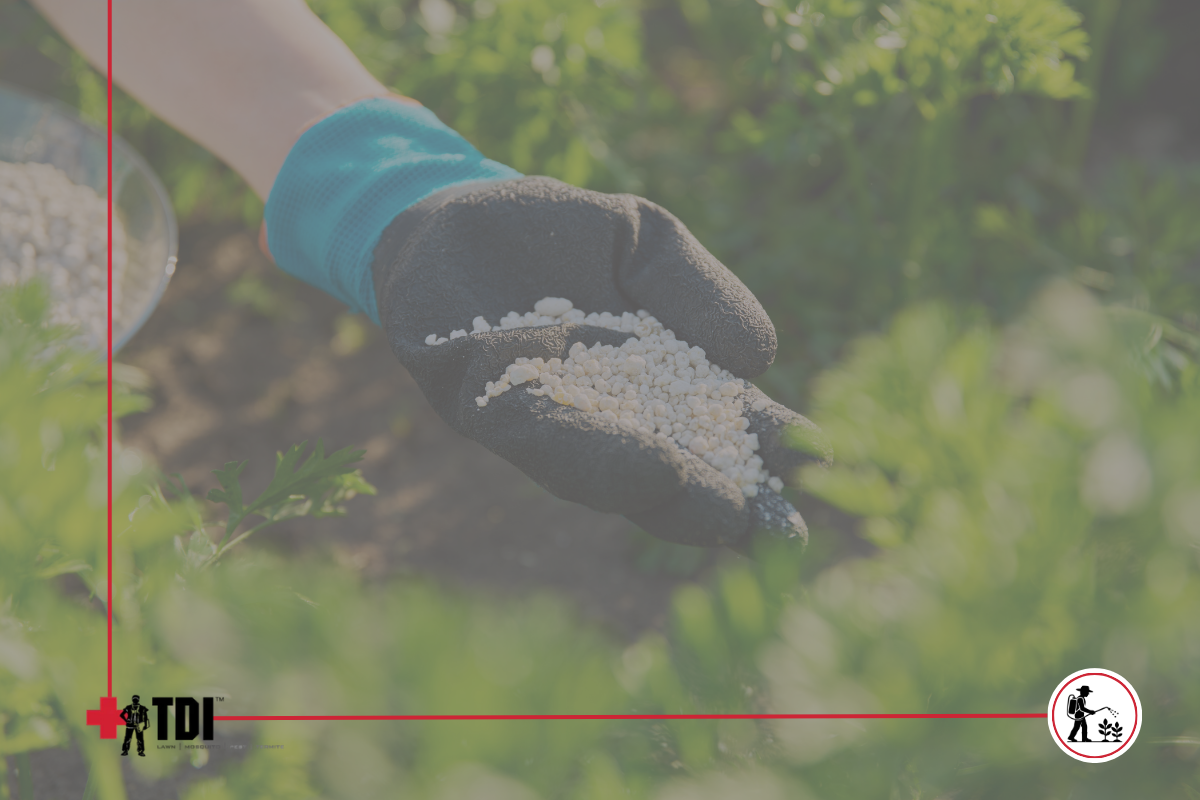
Fertilization feeds your grass the nutrients it cannot always pull naturally from the soil. Over time, nutrients become depleted from mowing, rainfall, and seasonal stress.
The three main nutrients in lawn fertilizer are:
- Nitrogen – promotes green growth and density
- Phosphorus – strengthens root development
- Potassium – improves stress tolerance and disease resistance
When turf receives balanced nutrition, it grows thicker and stronger. Thick turf naturally crowds out weeds and reduces bare patches.
According to the Alabama Cooperative Extension System, proper fertilization timing is critical for warm-season grasses common in Alabama lawns, helping roots develop strength before seasonal stress arrives.
Healthy lawns don’t just look better, they defend themselves better.
When Should You Fertilize Your Lawn in Alabama?
Timing is everything in fertilization. Alabama lawns require seasonal feeding aligned with growth cycles.
For warm-season grasses common in Birmingham:
Early Spring
This application wakes turf up after dormancy and prepares it for active growth.
Late Spring / Early Summer
Supports rapid growth and strengthens root systems before heat stress.
Late Summer
Helps turf recover from drought and heavy foot traffic.
Fall
Builds nutrient reserves that protect grass during dormancy and improve spring green-up.
Skipping fertilization windows weakens turf and invites weeds to move in.
How Fertilization Helps Prevent Weeds
Most homeowners focus on weed control, but fertilization is part of weed prevention.
Weak turf creates open space. Weeds take advantage of thin lawns.
Well-fed grass grows thick enough to block sunlight from reaching weed seeds. This natural barrier reduces weed pressure and enhances the effectiveness of pre-emergent and post-emergent treatments.
Fertilization and weed control are not separate strategies, they work together.
The Risk of Over-Fertilizing
More fertilizer is not better.
Over-application can burn turf, damage roots, and create excessive top growth that stresses the lawn. Poor timing can also force growth during heat or dormancy when grass cannot sustain it.
Professional fertilization programs balance nutrients and application timing to match turf biology.
That’s why calibrated equipment and turf expertise matter.
Professional Fertilization vs DIY Lawn Care
Store-bought fertilizer is often a one-size-fits-all product. Alabama soil conditions vary, and improper application leads to wasted money or turf damage.
Professional lawn fertilization includes:
- Soil-aware nutrient selection
- Seasonal timing strategy
- Calibrated application
- Integration with weed control
- Turf monitoring and adjustments
At TDI Services, fertilization is part of a year-round turf health plan, not a single application.
Our team combines local turf expertise with professional lawn care execution, meet the TDI lawn experts and learn about our approach on the About Us Page.
Strong Turf Starts Below the Surface
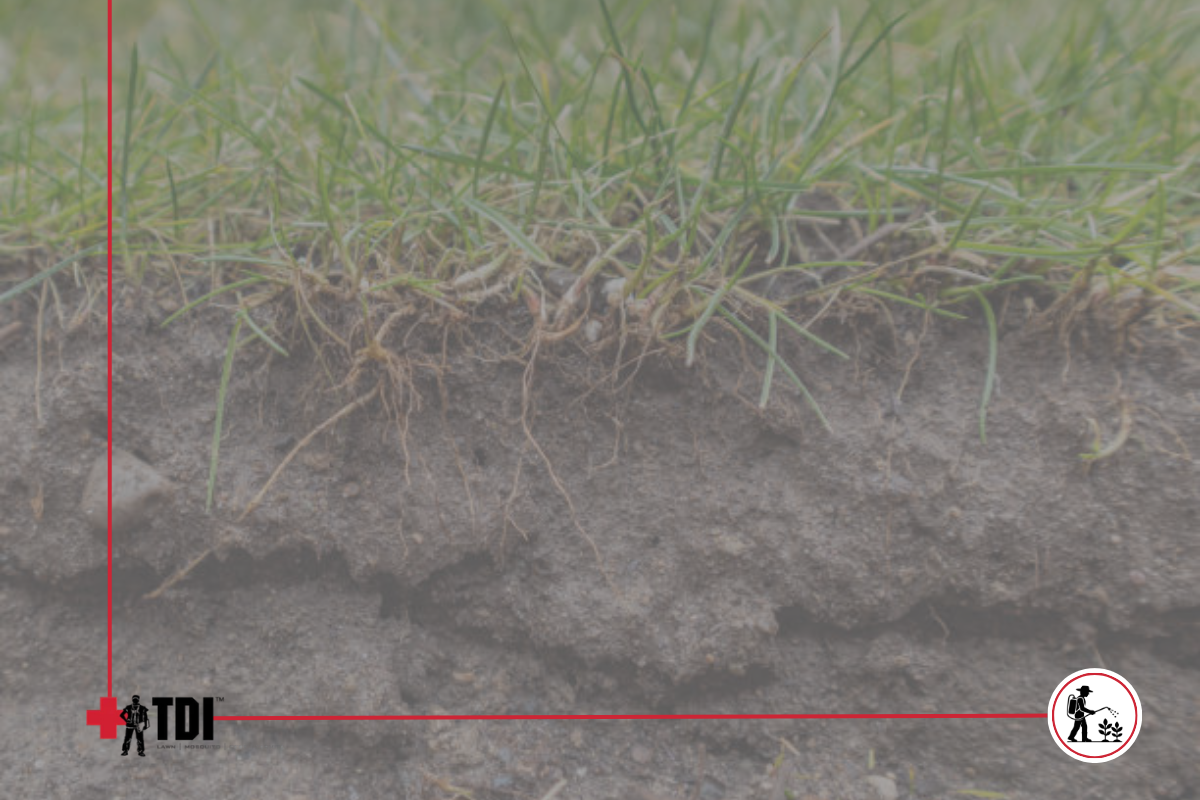
Healthy lawns are built from the roots up. Fertilization strengthens root systems, improves soil activity, and increases turf resilience long before homeowners see surface results.
Spring success begins with decisions made months earlier.
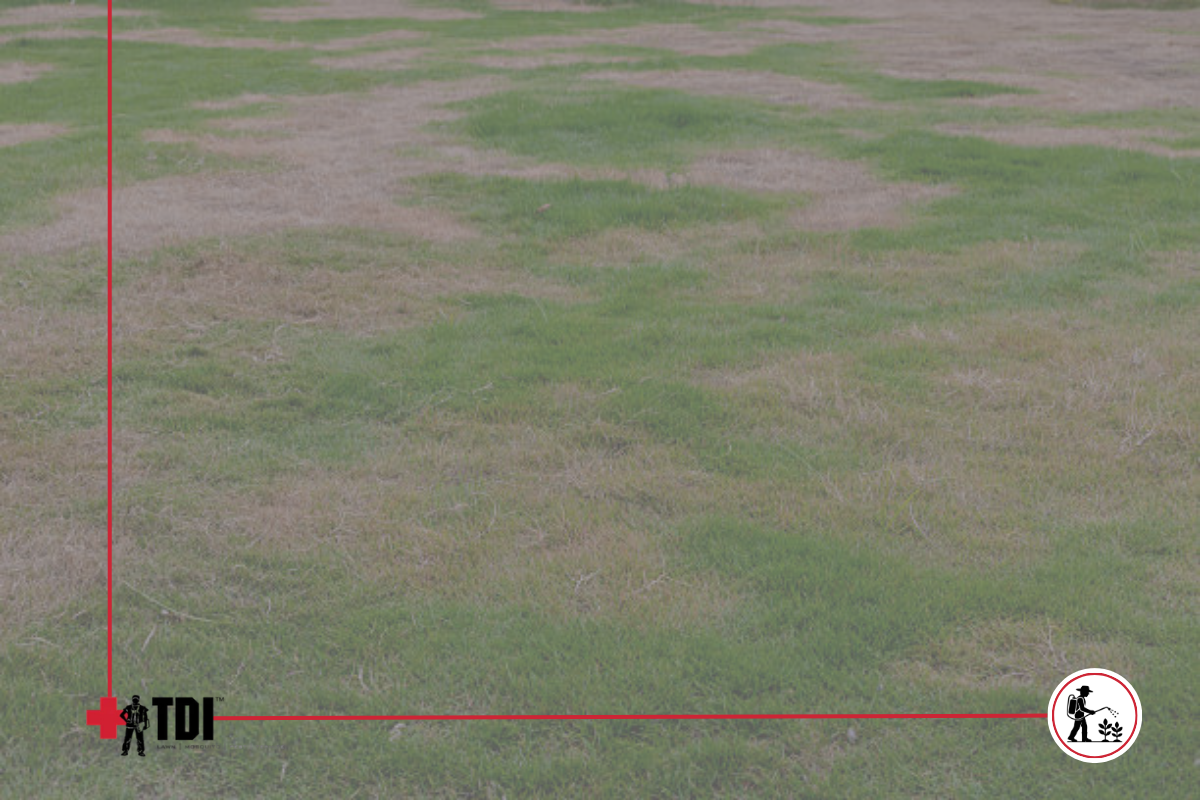
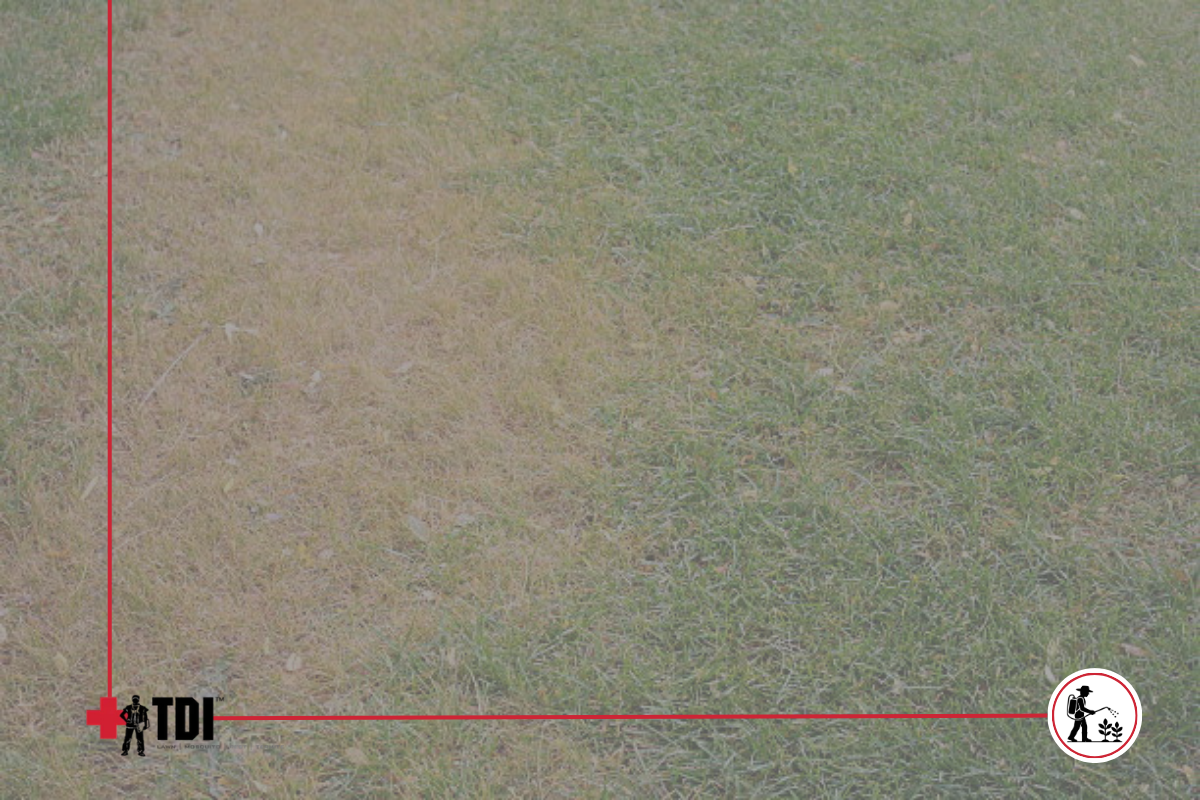
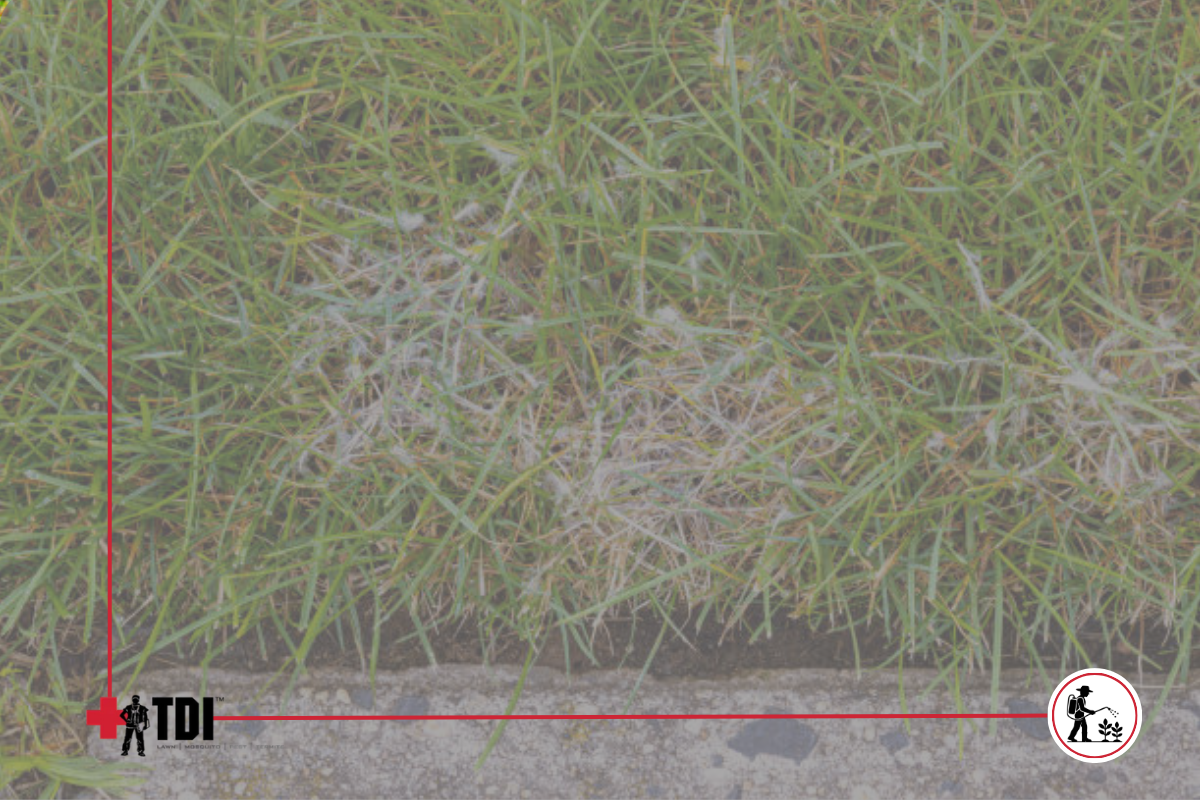
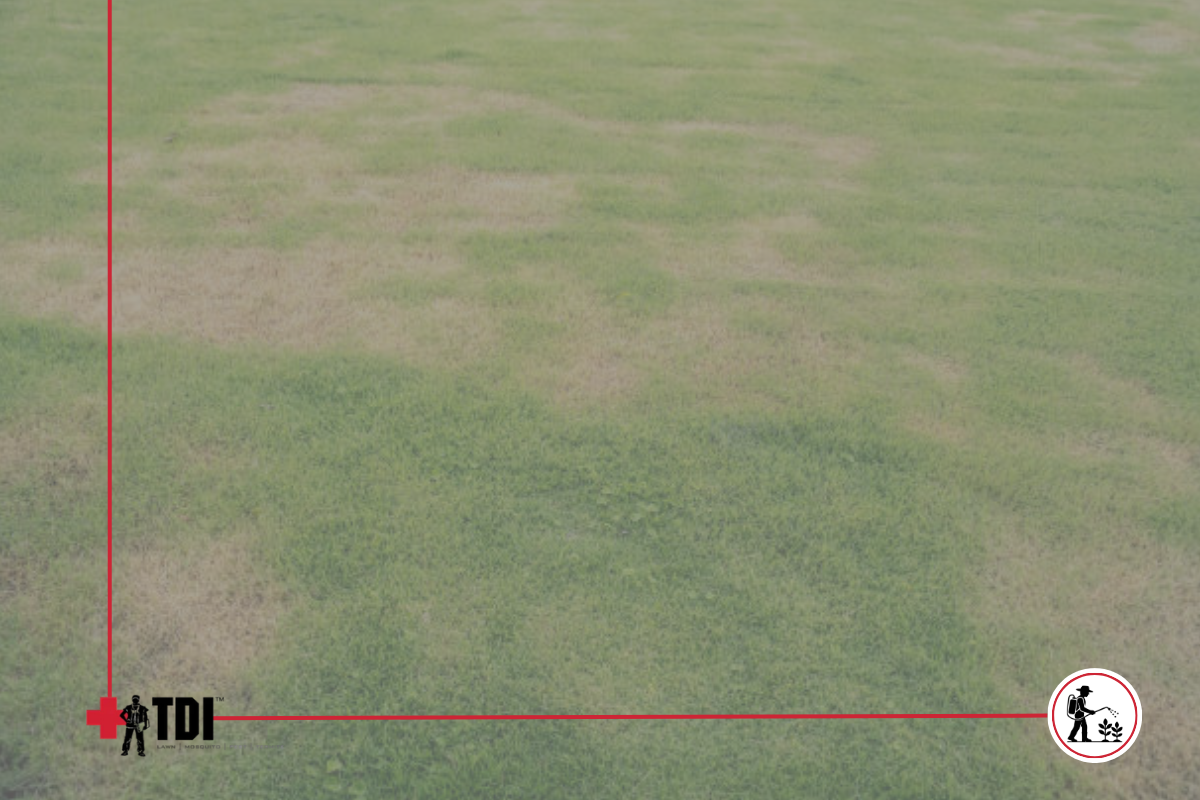
If your lawn struggles with thinning, weeds, or stress damage, fertilization timing is often the missing piece.
Lawn Fertilization for the Greater Birmingham area
Central Alabama turf faces heat, humidity, clay-heavy soil, and seasonal weed pressure. Local knowledge matters.
TDI Services provides professional lawn fertilization in and around the greater Birmingham area that is tailored to
regional turf types. Our programs are built around growth cycles, not guesswork.
A healthier lawn isn’t luck, it’s strategy.