Fall & Winter Lawn Care in Birmingham: How to Protect Your Grass Before Spring

Chris Gregory • March 2, 2026

Fall & Winter Lawn Care in Birmingham: 
How to Protect Your Grass Before Spring 

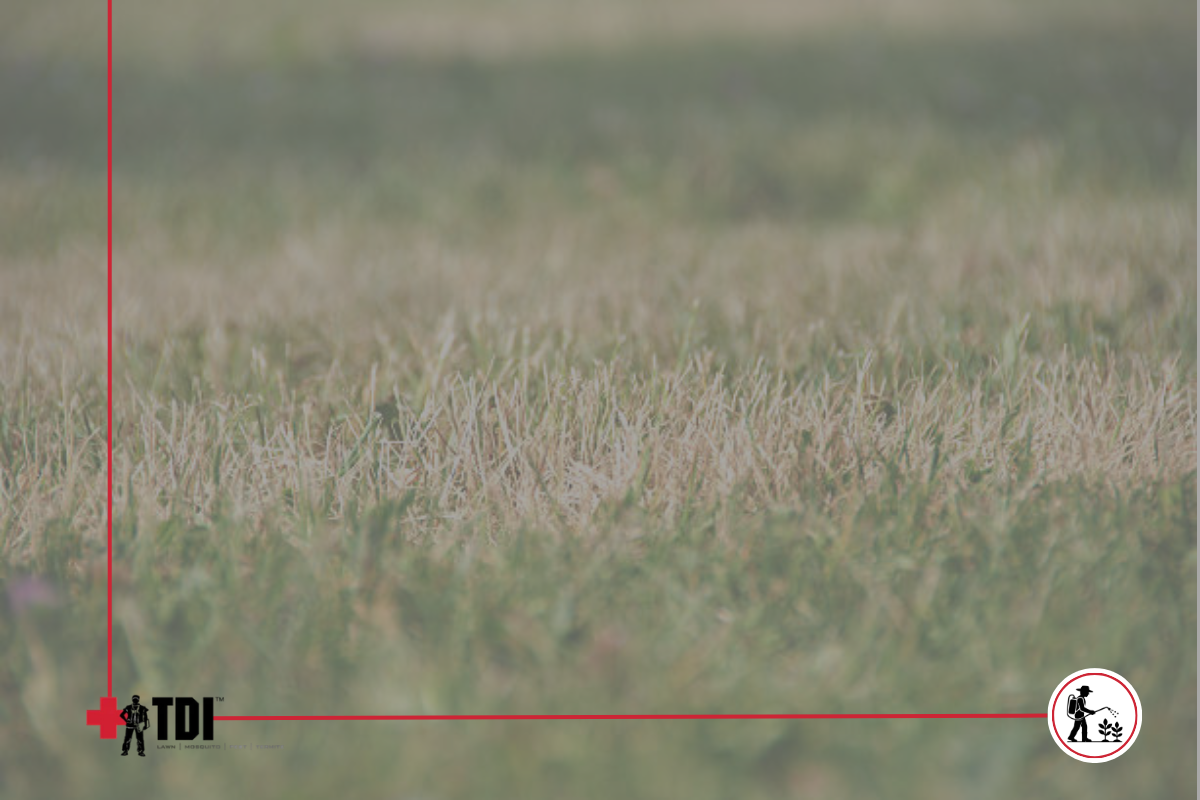
 With milder nighttime temperatures returning to the Birmingham area, your lawn is transitioning out of dormancy and gearing up for spring growth. Even though grass appears to slow down above ground, important activity continues below the soil. Root systems remain active, storing nutrients and strengthening for spring growth.


Understanding how to care for dormant turf is one of the biggest differences between an average lawn and a healthy, weed-resistant yard.


We help homeowners protect their lawns year-round with professional lawn care and weed control tailored to Central Alabama turf conditions.


At TDI Services, we design fall and winter lawn care programs specifically for Central Alabama turf conditions.


Why Fall Pre-Emergent Treatment Matters

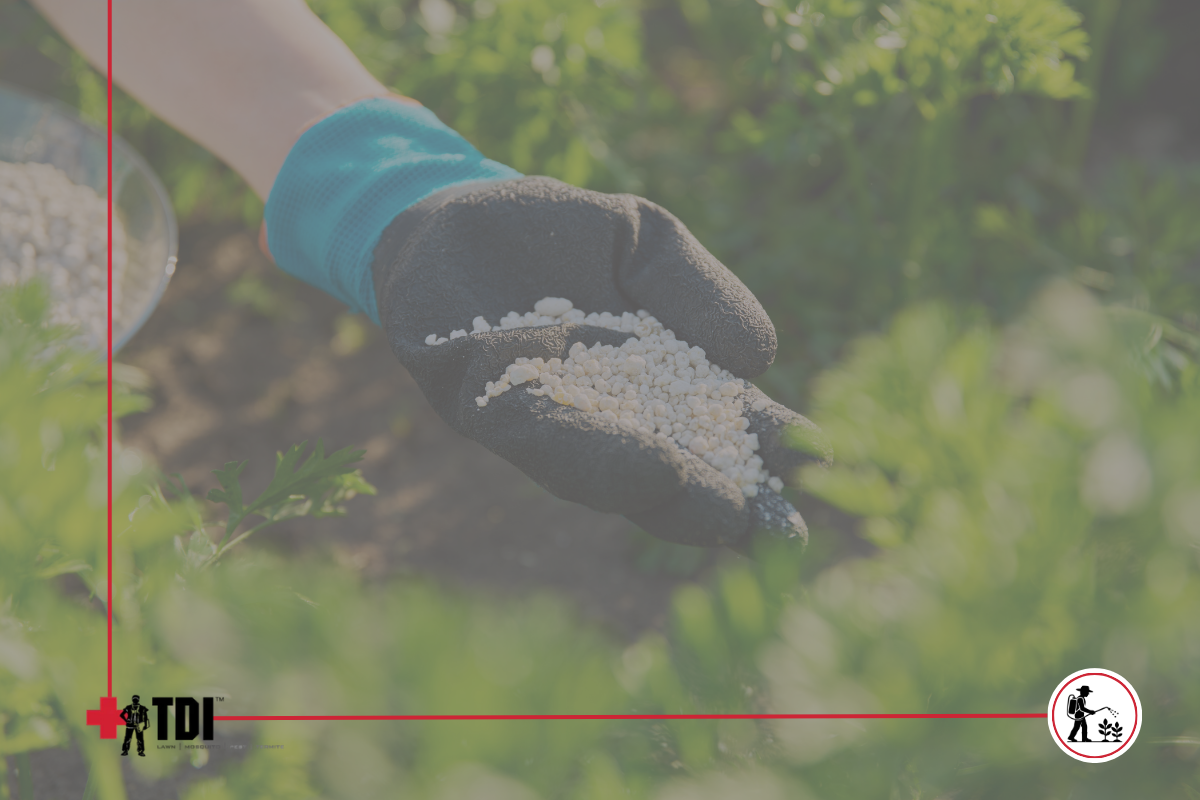
One of the most important Fall lawn care steps is applying a pre-emergent herbicide. Pre-emergents stop broadleaf weeds before they germinate, preventing them from competing with your grass in early spring.


Many homeowners assume that once the grass turns brown for the winter, lawn care can stop. In reality, fall is when weed seeds are preparing to sprout. Without protection, winter weeds take root and weaken turf long before warm weather returns.


After a professional pre-emergent treatment, proper irrigation is essential. Water activates the barrier in the soil, ensuring even coverage and long-term effectiveness.


Dormant Grass Still Needs Protection

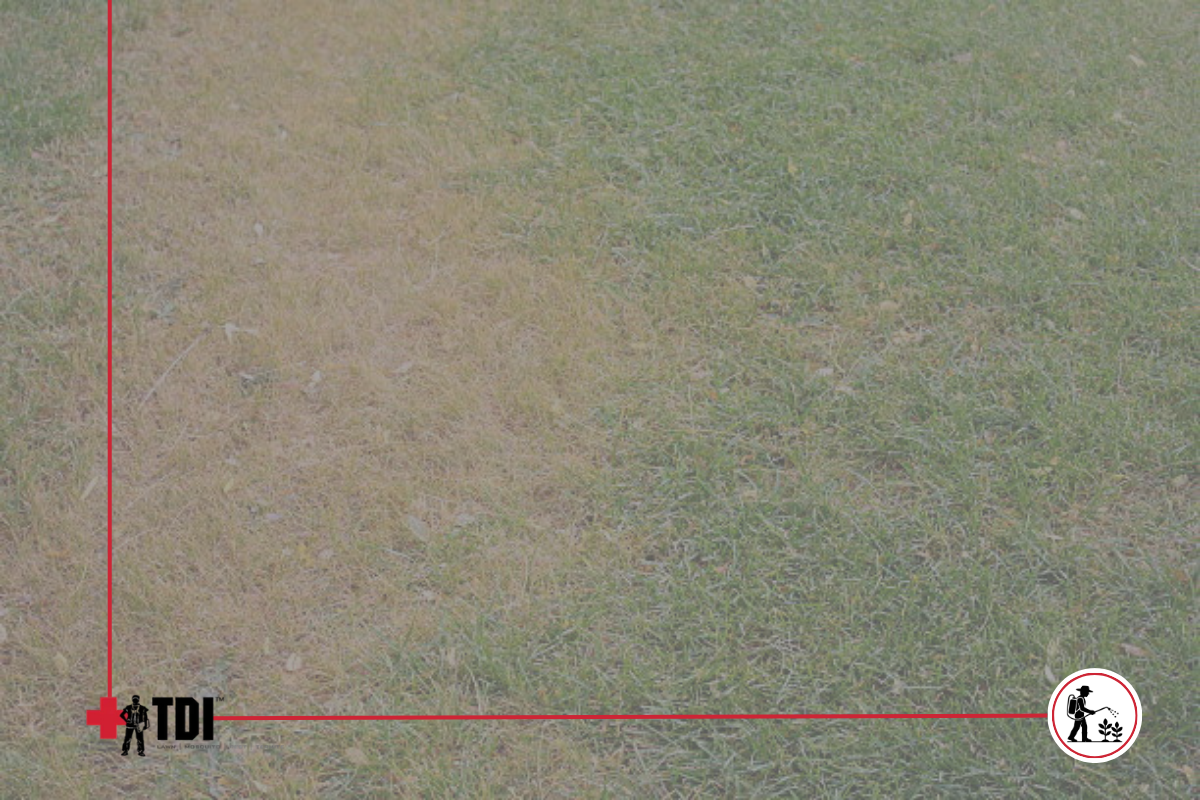
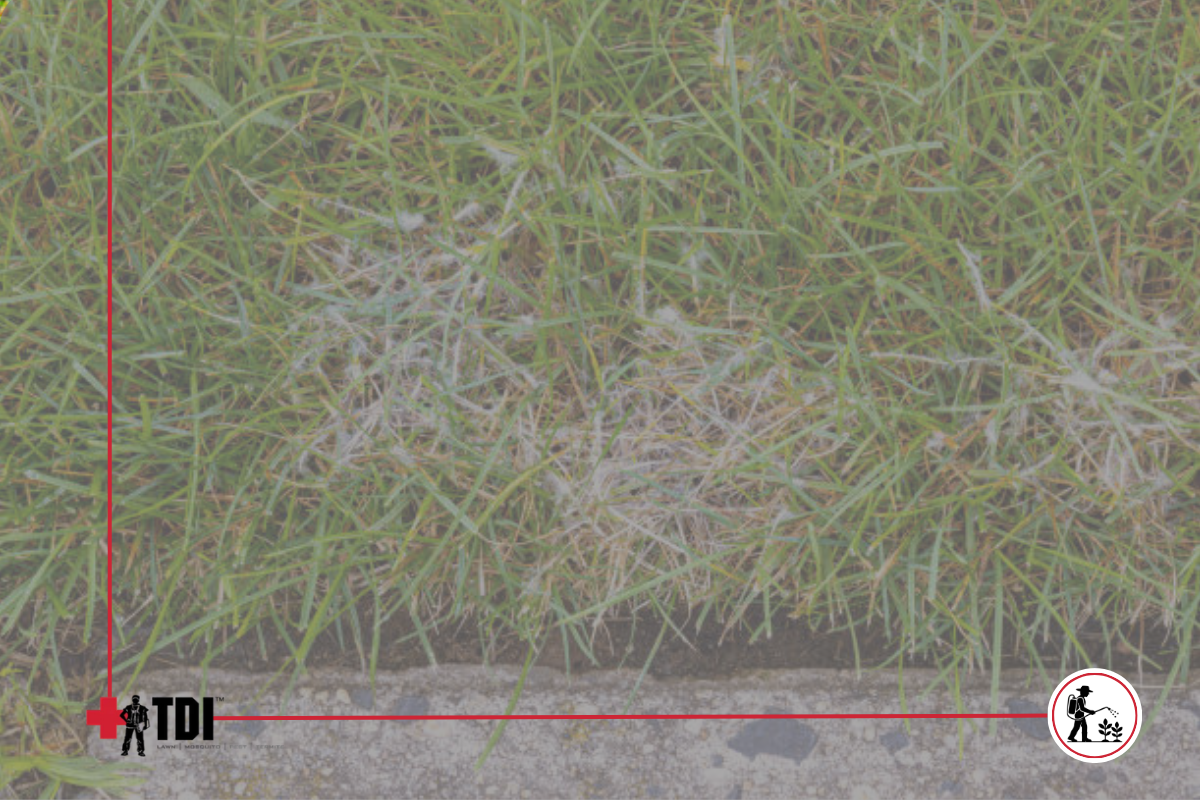
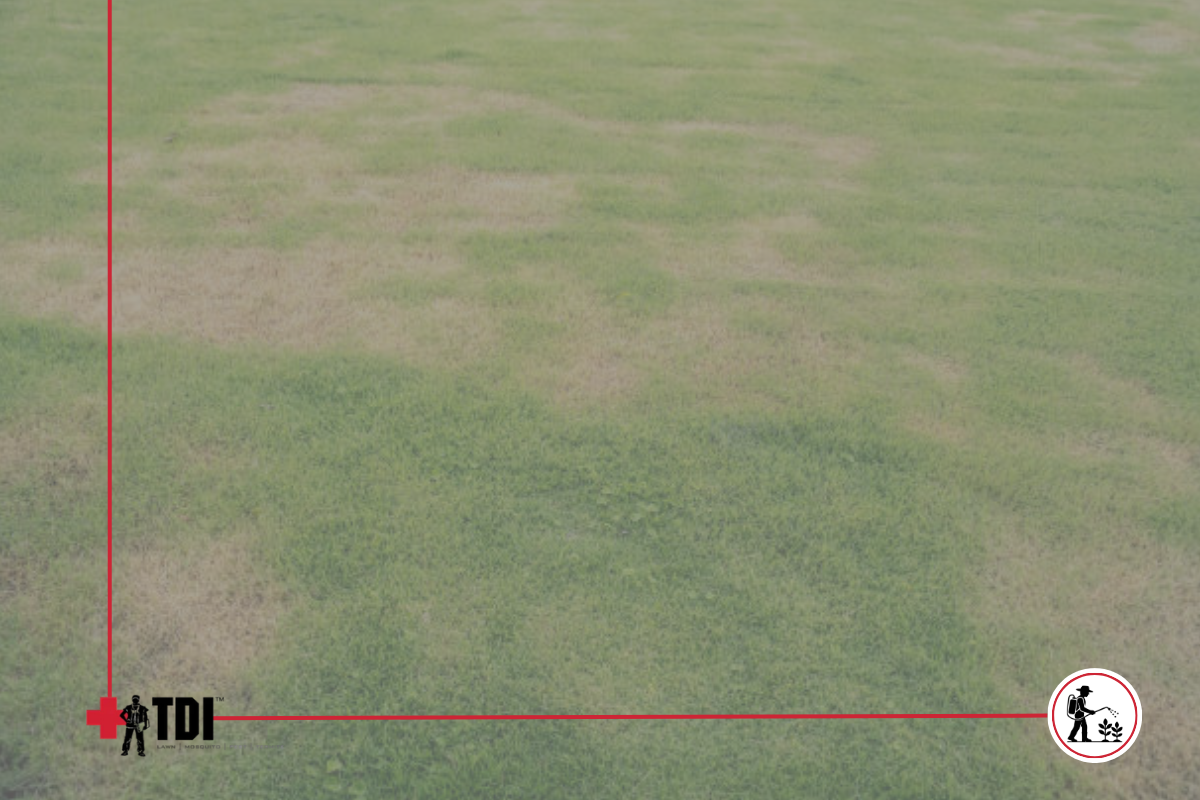
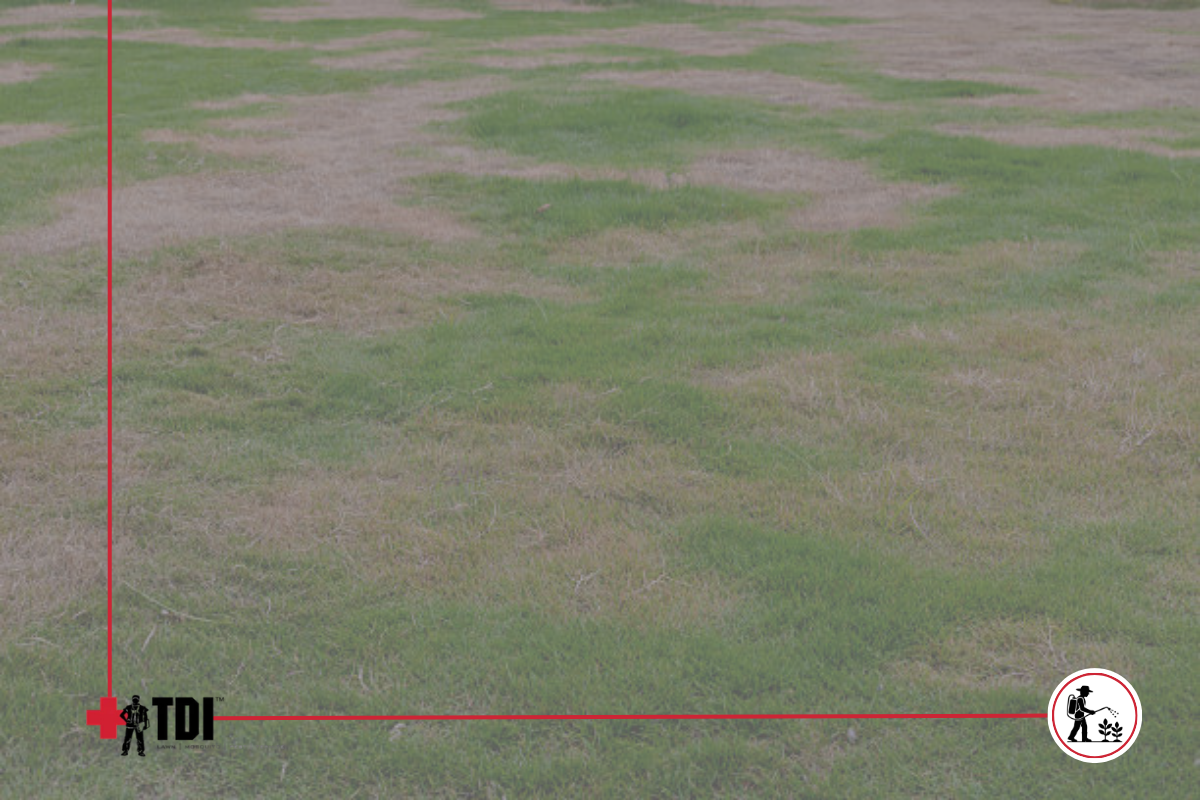
Even dormant lawns require maintenance. Allowing leaves to sit on turf can trap moisture and create conditions for disease and root rot. These problems often show up in spring as thin or patchy grass.


Routine leaf removal and proper winter irrigation help turf emerge stronger and healthier.


Professional turf management during fall and winter directly impacts how your lawn looks next season.


Contact us and see if your lawn is in need of protection.


Why Some Weeds Need Post-Emergent Treatment

Pre-emergent herbicides are highly effective against most broadleaf weeds, but they cannot stop grassy weeds that grow from underground bulbs, such as wild onion, wild garlic, nutsedge, and dallas grass, to name a few.


These weeds require post-emergent weed control, which targets active growth. TDI Services treats these weeds during fall and winter applications and monitors lawns for regrowth. Follow-up treatments may be needed, and ongoing care ensures long-term control.


This layered strategy is key to professional weed management in Birmingham lawns.


The Purdue Turfgrass Science Program explains that bulb-based weeds require layered treatment strategies. Consistent monitoring ensures long-term control instead of temporary cosmetic fixes.


Should You Seed Rye Grass in Winter?

Over-seeding rye grass is a common question for Alabama homeowners. While rye keeps lawns green during winter, most lawn care professionals do not recommend it.


Rye competes with permanent turf for nutrients and water, and it can delay a healthy spring transition. If rye is seeded after a pre-emergent application, it will not germinate because pre-emergents are designed to stop all seed growth.


If you are considering over-seeding, your lawn service provider must know before any fall treatment is applied.


Winter Is the Perfect Time for Equipment Maintenance

Fall and winter are ideal seasons to service your lawn equipment. Sharpen mower blades, change oil, inspect trimmers, and maintain blowers and edgers.


Well-maintained equipment prevents turf damage and ensures clean cuts that promote healthier grass growth. Planning maintenance now prevents spring delays when lawn growth accelerates.


Professional Lawn Care Makes the Difference

Seasonal lawn care is about more than mowing. Weed prevention, turf protection, irrigation timing, and winter maintenance all determine how strong your lawn returns in spring.


TDI Services provides professional lawn care in and around the Birmingham area, designed specifically for Central Alabama turf conditions. Our fall and winter treatments protect lawns from invasive weeds and prepare them for healthy seasonal recovery.


A strong lawn in spring starts with the decisions you make in the fall.


Learn more about our year-round lawn programs!

By Chris Gregory March 2, 2026
Many homeowners think fertilization is just about making grass look greener. In reality, lawn fertilization is one of the most important steps in building strong, healthy turf that can resist weeds, drought, and seasonal stress. If you understand when and why to fertilize, your lawn doesn’t just survive, it thrives. At TDI Services, we design fertilization programs specifically for Alabama turf and Birmingham soil conditions. Timing and formulation matter, and proper fertilization impacts your lawn months before you see visible results. Learn more about TDI’s services and how tailored fertilization fits into our complete lawn care strategy at the TDI Lawn Services Page . Why Lawn Fertilization Matters Fertilization feeds your grass the nutrients it cannot always pull naturally from the soil. Over time, nutrients become depleted from mowing, rainfall, and seasonal stress. The three main nutrients in lawn fertilizer are: Nitrogen – promotes green growth and density Phosphorus – strengthens root development Potassium – improves stress tolerance and disease resistance When turf receives balanced nutrition, it grows thicker and stronger. Thick turf naturally crowds out weeds and reduces bare patches. According to the Alabama Cooperative Extension System , proper fertilization timing is critical for warm-season grasses common in Alabama lawns, helping roots develop strength before seasonal stress arrives. Healthy lawns don’t just look better, they defend themselves better. When Should You Fertilize Your Lawn in Alabama? Timing is everything in fertilization. Alabama lawns require seasonal feeding aligned with growth cycles. For warm-season grasses common in Birmingham: Early Spring This application wakes turf up after dormancy and prepares it for active growth. Late Spring / Early Summer Supports rapid growth and strengthens root systems before heat stress. Late Summer Helps turf recover from drought and heavy foot traffic. Fall Builds nutrient reserves that protect grass during dormancy and improve spring green-up. Skipping fertilization windows weakens turf and invites weeds to move in. How Fertilization Helps Prevent Weeds Most homeowners focus on weed control, but fertilization is part of weed prevention. Weak turf creates open space. Weeds take advantage of thin lawns. Well-fed grass grows thick enough to block sunlight from reaching weed seeds. This natural barrier reduces weed pressure and enhances the effectiveness of pre-emergent and post-emergent treatments. Fertilization and weed control are not separate strategies, they work together. The Risk of Over-Fertilizing More fertilizer is not better. Over-application can burn turf, damage roots, and create excessive top growth that stresses the lawn. Poor timing can also force growth during heat or dormancy when grass cannot sustain it. Professional fertilization programs balance nutrients and application timing to match turf biology. That’s why calibrated equipment and turf expertise matter. Professional Fertilization vs DIY Lawn Care Store-bought fertilizer is often a one-size-fits-all product. Alabama soil conditions vary, and improper application leads to wasted money or turf damage. Professional lawn fertilization includes: Soil-aware nutrient selection Seasonal timing strategy Calibrated application Integration with weed control Turf monitoring and adjustments At TDI Services, fertilization is part of a year-round turf health plan, not a single application. Our team combines local turf expertise with professional lawn care execution, meet the TDI lawn experts and learn about our approach on the About Us Page . Strong Turf Starts Below the Surface Healthy lawns are built from the roots up. Fertilization strengthens root systems, improves soil activity, and increases turf resilience long before homeowners see surface results. Spring success begins with decisions made months earlier. If your lawn struggles with thinning, weeds, or stress damage, fertilization timing is often the missing piece. Lawn Fertilization for the Greater Birmingham area Central Alabama turf faces heat, humidity, clay-heavy soil, and seasonal weed pressure. Local knowledge matters. TDI Services provides professional lawn fertilization in and around the greater Birmingham area that is tailored to regional turf types. Our programs are built around growth cycles, not guesswork. A healthier lawn isn’t luck, it’s strategy.  Learn more about our year-round lawn programs
Healthy residential lawn in Birmingham AL maintained with professional lawn care and soil-focused tu
By Chris Gregory March 2, 2026
Discover why professional lawn care and outdoor protection matter for Birmingham homes. Safer solutions, healthier lawns, by TDI Services.
By Chris Gregory February 19, 2026
Discover what you’re really paying for with affordable lawn and property care in Birmingham, AL. Learn how TDI’s biological approach delivers long-term value, healthier soil, and reliable results.