Common Lawn Weeds in Birmingham, AL: Identification and Control Guide
Common Lawn Weeds in Birmingham, AL: Identification and Control Guide
If you live in Birmingham or the surrounding areas, you already know that Alabama lawns face heavy weed pressure throughout the year. Heat, humidity, clay soil, and long growing seasons create ideal conditions for invasive grasses and broadleaf weeds.
Many homeowners refer to any unwanted plant as “just weeds,” but proper lawn weed control starts with accurate identification.
Below are some of the most common weeds affecting Birmingham lawns and how professional lawn care programs address them.
If you are unsure what is growing in your yard, our team can help identify and treat it as part of a complete lawn care program at TDI Services.
1. Crabgrass
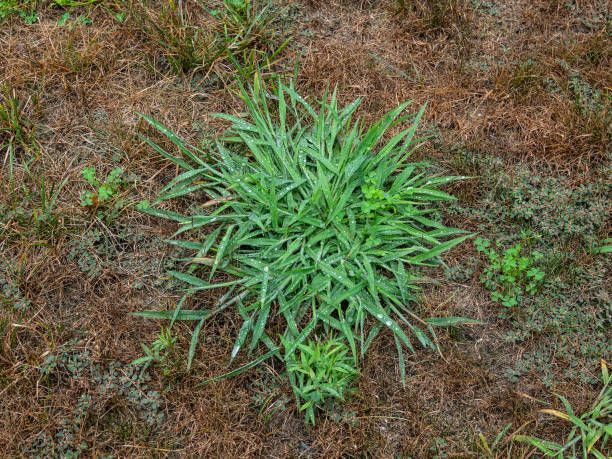
Crabgrass is one of the most common summer annual grassy weeds in Alabama lawns. It thrives in thin turf and compacted soil.
How to identify crabgrass:
- Wide, light green blades
- Low-growing, spreading habit
- Appears in late spring and summer
- Grows aggressively in bare spots
Crabgrass germinates when soil temperatures warm in spring. That is why properly timed pre-emergent weed control is critical.
Once crabgrass matures, it becomes much harder to eliminate. Professional weed control in Birmingham focuses on prevention first.
2. Dallisgrass
Often misspelled as Dallas grass, dallisgrass is a perennial grassy weed that is much more difficult to control than crabgrass. Many customers mistake dallisgrass for crabgrass.
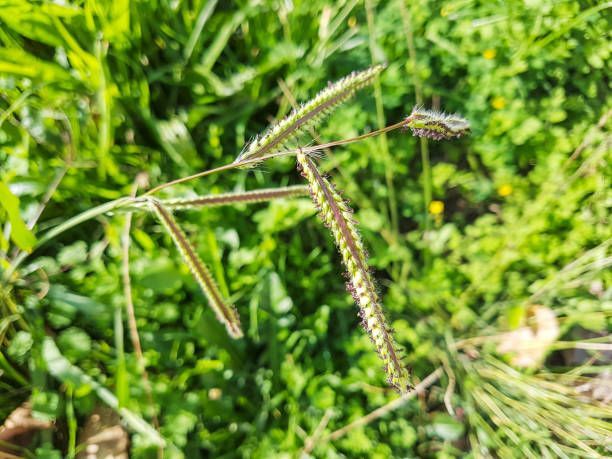
How to identify dallisgrass:
- Clumping growth pattern
- Coarse, thick blades
- Tall seed stalks with multiple rows of seeds
- Darker green than the surrounding turf
Dallisgrass spreads through both seed and underground rhizomes. Spot treatments require precision because improper application can damage surrounding turf.
This grassy weed is extremely difficult to eliminate from the lawn and often has to be removed by digging up the clumps.
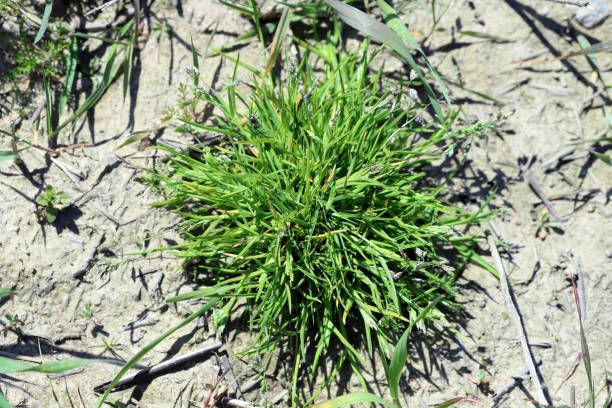
3. Poa Annua
Poa annua, also called annual bluegrass, is a winter annual weed that germinates in the fall and becomes visible in winter and early spring. Once it germinates, it is a nuisance and can be controlled, and treatments can often take 3 weeks to start working. Warm soil temperatures will naturally kill Poa Annua.
How to identify Poa annua:
- Light green color
- Small white seed heads
- Thrives in cool weather
- Dies off in summer heat
The Alabama Cooperative Extension System explains that poa annua control relies heavily on properly timed fall pre-emergent applications.
Without fall prevention, poa annua can quickly dominate thin turf during winter months.
4. Star of Bethlehem
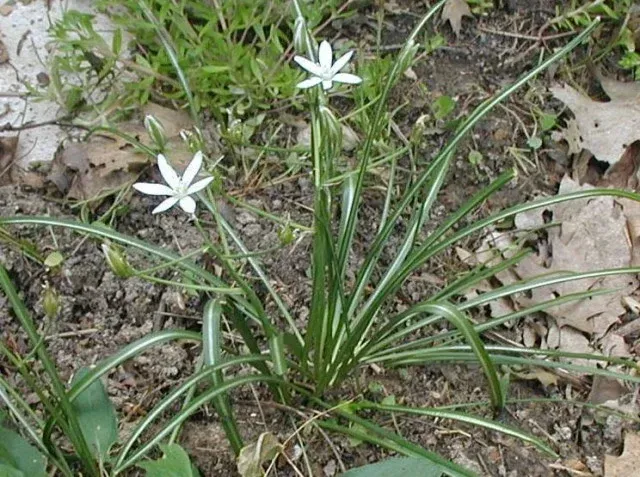
Star of Bethlehem is a bulb-based perennial weed that appears in early spring.
How to identify it:
- Narrow grass-like leaves
- Small white star-shaped flowers
- Grows in clusters
- Spreads from underground bulbs
Because it spreads through bulbs, standard pre-emergent treatments do not eliminate it. It requires targeted post-emergent weed control and monitoring.
5. Cudweed
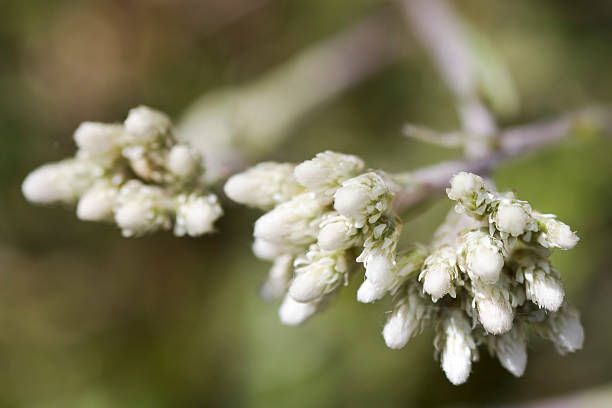
Cudweed is a winter broadleaf weed commonly found in thin, compacted lawns.
How to identify cudweed:
- Low growing rosette form
- Fuzzy grayish leaves
- Small clustered flowers
Cudweed often indicates poor soil drainage or compaction. Weed control alone may not solve the issue without improving overall turf density.
6. Bittercress
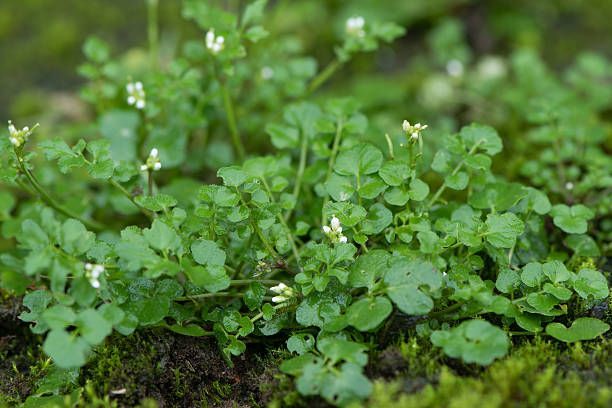
Bittercress is another cool-season broadleaf weed that appears in late winter and early spring.
How to identify bittercress:
- Small white flowers
- Rapid seed dispersal
- Grows in clusters
- Thrives in moist conditions
Bittercress spreads quickly once seed pods mature. Early intervention is key to preventing widespread infestation.
Why Weed Identification Matters in Birmingham Lawn Care
Not all weeds respond to the same treatment. Some are annual. Some are perennial. Some spread by seed. Others spread through rhizomes or bulbs.
Effective lawn weed control in Birmingham requires:
- Seasonal timing
- Proper herbicide selection
- Calibrated application
- Turf density improvement
- Soil health management
At TDI Services, weed control is integrated into a complete lawn care program rather than treated as a one-time spray.
Learn more about our professional lawn care services.
How Healthy Turf Prevents Weeds Naturally
The best long-term weed control strategy is thick, healthy turf.
Fertilization, soil management, and proper mowing height strengthen grass so it can naturally crowd out invasive weeds.
Our Annual Warm-Season Turf Program is designed specifically for Birmingham lawns and integrates:
- Pre-emergent weed control
- Post-emergent treatments
- Fertilization
- Soil amendments
- Ongoing monitoring
Explore our weed control and biological services.
When to Call a Professional
If your lawn has:
- Persistent crabgrass
- Clumping dallisgrass (this is very difficult to control)
- Winter weeds like poa annua
- Bulb-based weeds such as Star of Bethlehem
- Recurring broadleaf infestations
It may be time for a structured, science-based approach.
DIY weed control often treats symptoms but not underlying turf health issues.
Professional Weed Control in Birmingham, AL
Alabama lawns face year-round weed pressure. Understanding the type of weed is the first step toward effective control.
With proper timing, professional application, and soil-focused turf management, your lawn can remain thick, healthy, and resilient.
A healthier lawn starts with the right strategy.
If you would like help identifying the weeds in your yard, contact TDI Services for a professional evaluation.